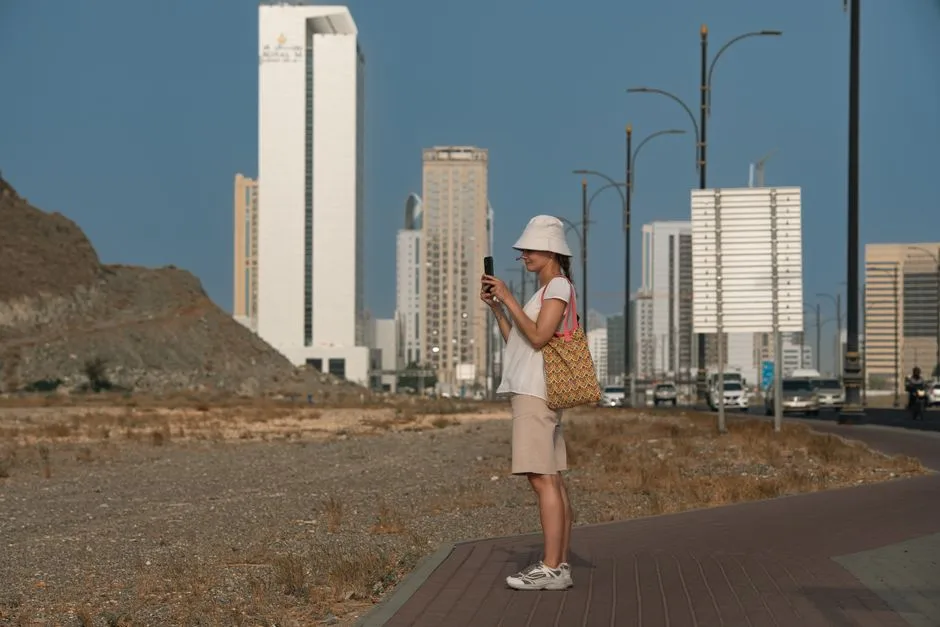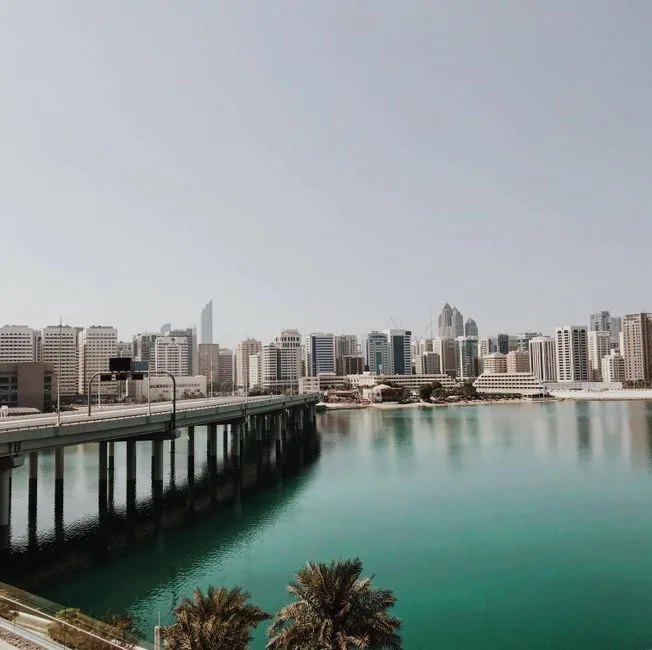
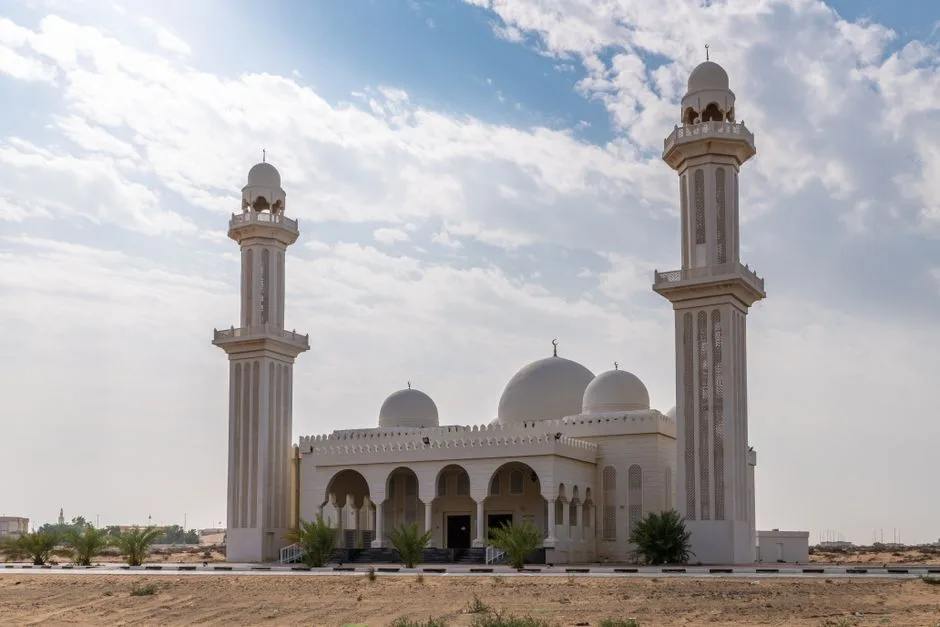
Overview Umm Al Quwain is the smallest of the seven emirates that make up the United Arab Emirates. The emirate’s capital shares the same name and sits on the coast of the Arabian Gulf. Its pace is slower than the more famous neighbours Dubai and Abu Dhabi, offering a quieter entry point to the region’s natural mangroves, modest museums and unspoiled beaches. The administrative district is governed by the Umm Al Quwain Municipality, which oversees public services, road maintenance and tourism development.
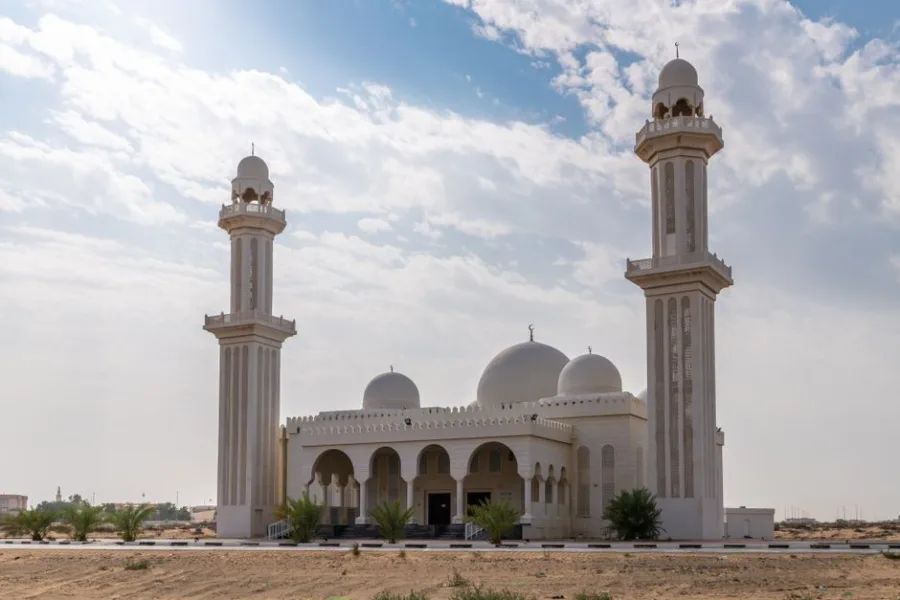
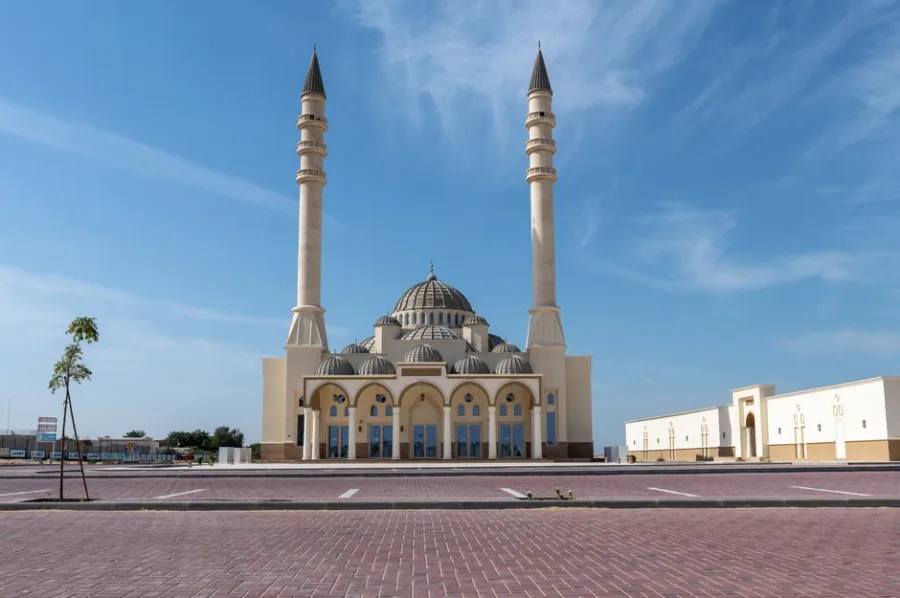
Getting There and Getting Around The nearest international gateway is Dubai International Airport (DXB); a direct drive to Umm Al Quwain takes roughly 1.5 hours via the E11 highway. For those arriving by air at Sharjah International Airport, the journey is shorter, about an hour. Car rental is the most flexible option, as public bus services are limited to a few routes that connect Dubai, Sharjah and the emirate’s main town. Taxis operate from the major airports and can be booked through local companies, but fares are higher than in the larger cities. The road network is well‑maintained, and signage is in Arabic and English, making self‑driving relatively straightforward.
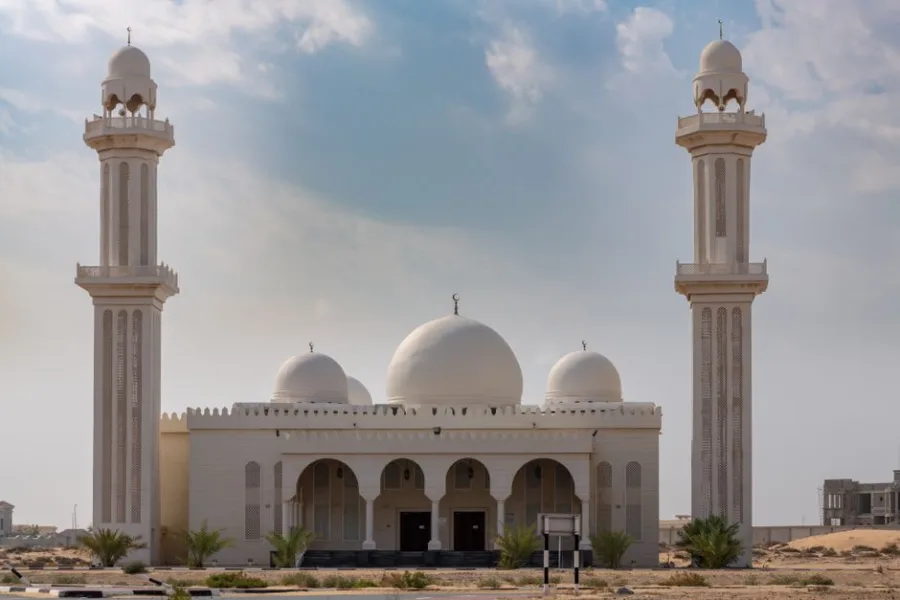
Where to Stay Accommodation in Umm Al Quwain ranges from modest beachfront hotels to a handful of resorts that market themselves as family‑friendly retreats. Most properties are located along the coastal strip near the city centre, providing easy access to the beach and to the main market area. When booking, look for amenities such as free Wi‑Fi, on‑site dining and parking, as these are commonly included. Many visitors choose to stay in Dubai or Sharjah and make day trips, but a night in the emirate allows a more relaxed schedule and the chance to experience the evening market.
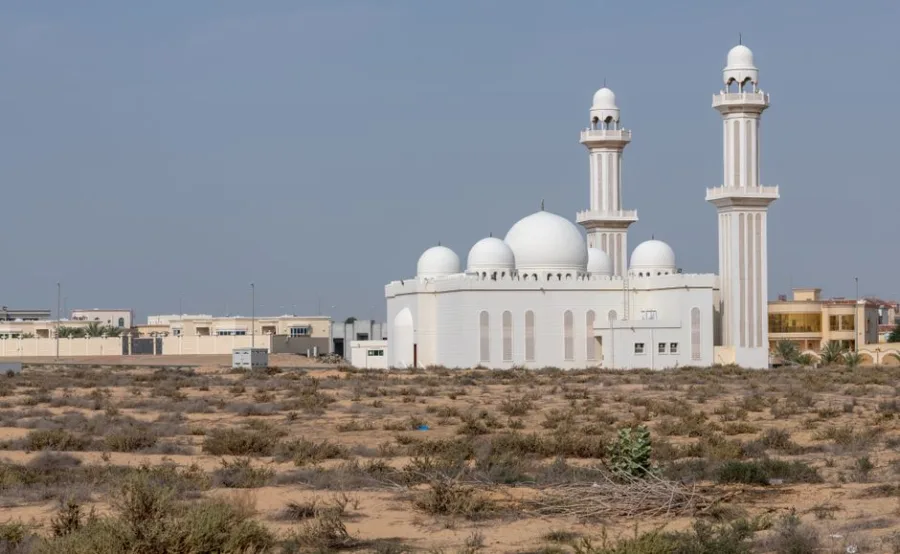
What to See and Do The emirate’s cultural heritage is highlighted by the Umm Al Quwain Museum, housed in an old fort that displays archaeological finds, traditional tools and photographs of the area’s development. The museum is free to enter and offers insight into the pearling and fishing traditions that shaped the local economy. For nature lovers, Al Sinniyah Island is a protected mangrove reserve reachable by a short boat ride from the mainland; guided tours often focus on birdwatching and the unique tidal ecosystem. Dreamland Aqua Park, one of the region’s larger water parks, provides a day of recreation for families, with slides, a lazy river and shaded picnic areas. The public beach along the emirate’s coastline is quiet and suitable for swimming, especially during the cooler months. Finally, the weekly souk in the city centre offers fresh produce, spices and handicrafts, giving a taste of everyday life.
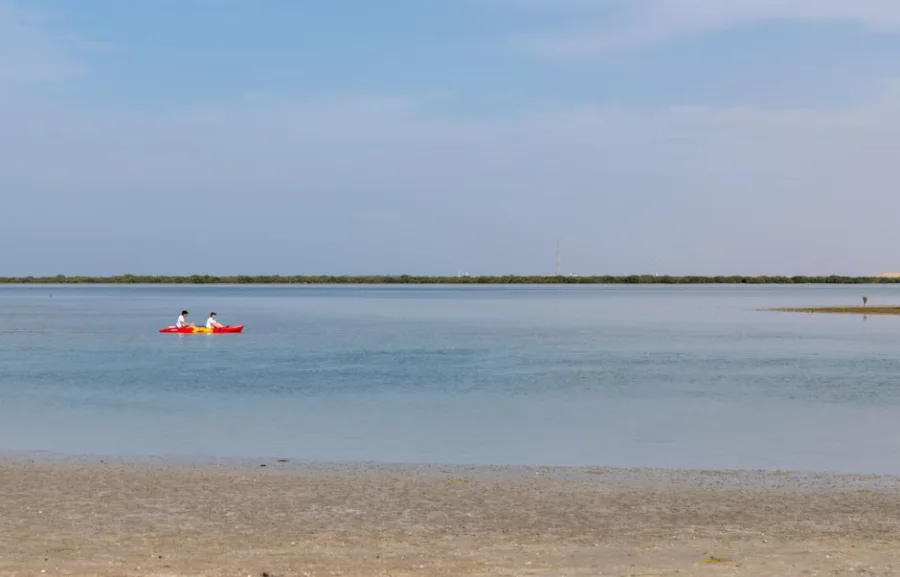
Practical Tips - Best time to visit: The climate is hot for most of the year; the period from October to March brings milder temperatures and lower humidity, making outdoor activities more comfortable. - Dress code: While the emirate is less formal than Dubai, modest clothing is respected in public places; shoulders and knees should be covered, especially when visiting cultural sites. - Currency and payments: The UAE dirham (AED) is used throughout; credit cards are accepted in most hotels and restaurants, but small shops and market stalls may prefer cash. - Health and safety: Tap water is safe to drink, but many visitors prefer bottled water for taste. The UAE has a well‑developed emergency medical system; the nearest major hospital is in Sharjah about 30 km away. - Connectivity: Mobile coverage is strong; local SIM cards can be purchased at the airport or in Dubai and provide data plans at competitive rates. - Respect for wildlife: When visiting mangrove areas or beaches, avoid littering and follow any guidance from tour operators to protect fragile habitats.
By planning transport, accommodation and activities with these considerations in mind, travelers can enjoy a calm, authentic slice of the UAE that contrasts with the high‑rise bustle of its larger neighbours.
Travel information can change. Confirm current entry requirements, opening hours and local guidance with official sources before your trip.