Getting There
Ras Al Khaimah lies on the northern coast of the United Arab Emirates, about 110 km from Dubai International Airport. Most visitors arrive by air into Dubai and then travel by road; the Emirates road network links the emirate to the rest of the country via well‑maintained highways. Car hire, shuttle services and inter‑city buses operate regularly, and the drive typically takes around one to one‑and‑half hours depending on traffic.

If you prefer a direct flight, Ras Al Khaimah International Airport handles a limited number of regional services. Check airline schedules in advance, as flight availability can vary seasonally.
Where to Stay
Accommodation ranges from beachfront resorts on Al Marjan Island to boutique hotels in the city centre and guesthouses in more rural areas. For travelers seeking easy access to restaurants and shops, staying in the Ras Al Khaimah city district provides the most convenient base. Those interested in mountain scenery may choose lodgings near the foothills of the Hajar range, where cooler evenings are common.
All accommodation options are subject to the UAE's standard hospitality regulations, including the requirement for a valid passport at check‑in.

Must‑See Attractions
The emirate's natural and cultural sites are its strongest draw. Jebel Jais, the highest peak in the UAE, offers panoramic views and well‑marked hiking trails. The road to the summit is paved, but many visitors prefer walking routes that start from the base villages.
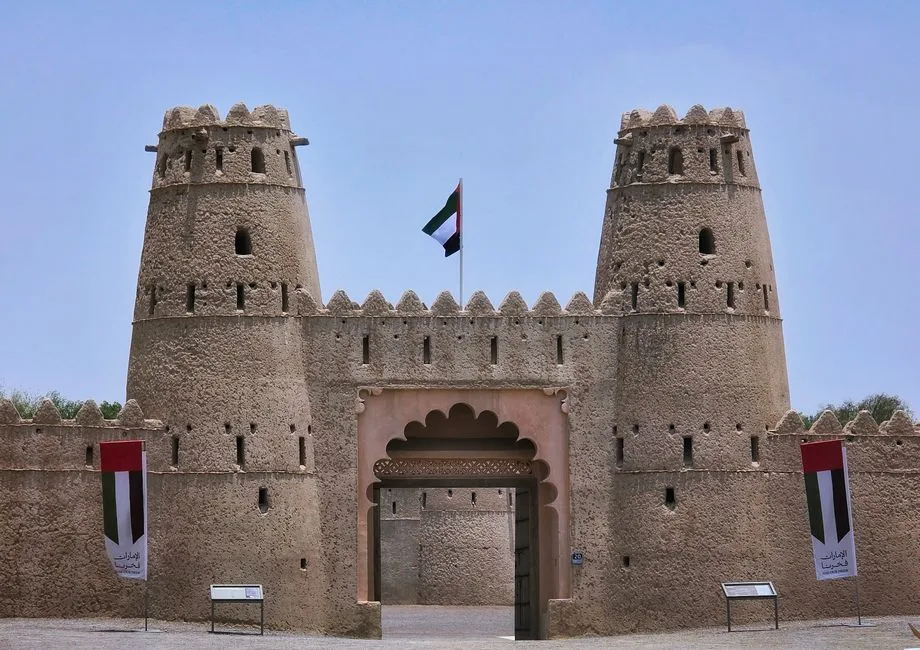
Historical interest centres on Dhayah Fort, a stone structure that overlooks the coastal plain. The fort is open to the public and provides insight into the region's defensive architecture. The Ras Al Khaimah National Museum, housed in a former fort, displays artefacts that trace the emirate's maritime and trading heritage.
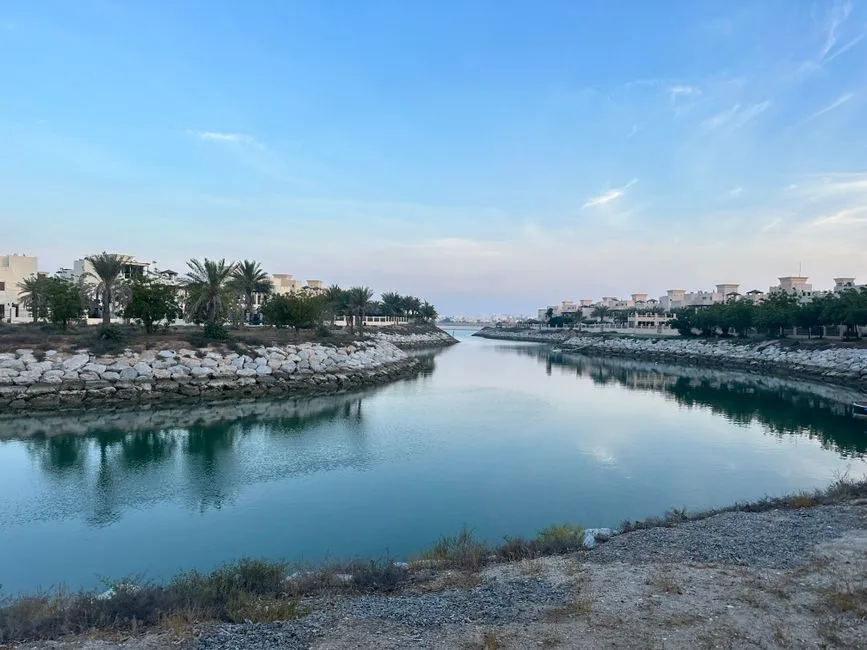
For beach‑focused leisure, the public beaches along the Gulf of Oman provide clean sand and clear water. Al Marjan Island, a man‑made development, includes promenades and parks that are freely accessible. The nearby mangrove reserve at Khatt Springs is a protected area where guided walks can be arranged through local operators.

Practical Tips
- Transport: Taxis are widely available in the city and can be booked via local apps. Driving is straightforward, but be aware that speed limits are strictly enforced and road signs are in Arabic and English.
- Climate: Ras Al Khaimah experiences hot summers and mild winters. The most comfortable visiting months are from October to April, when temperatures are moderate and outdoor activities are pleasant.
- Cultural respect: The UAE is a Muslim‑majority country. Dress modestly in public areas, especially when visiting cultural sites or markets. Public displays of affection are best kept to a minimum.
- Connectivity: Mobile coverage is excellent across the emirate. Purchasing a local SIM card at the airport or in city shops is quick and inexpensive.
- Health and safety: Tap water is generally safe to drink, but many visitors prefer bottled water. Medical facilities in Ras Al Khaimah meet national standards, and emergency services can be reached by dialing 999.
By planning travel routes, selecting accommodation that matches your itinerary, and respecting local customs, a visit to Ras Al Khaimah can be both relaxing and enriching. The blend of mountains, coastline and heritage sites offers a varied experience without the crowds often found in larger UAE cities.
Travel information can change. Confirm current entry requirements, opening hours and local guidance with official sources before your trip.