Historical Foundations
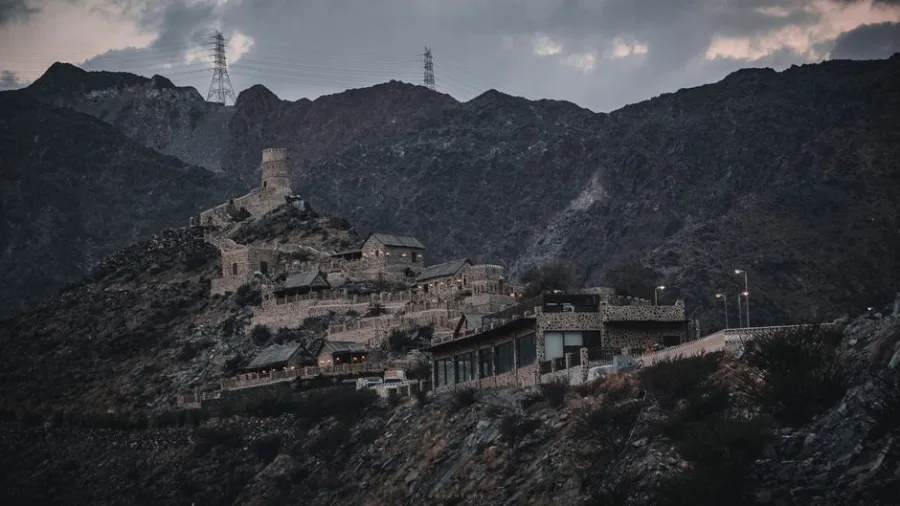
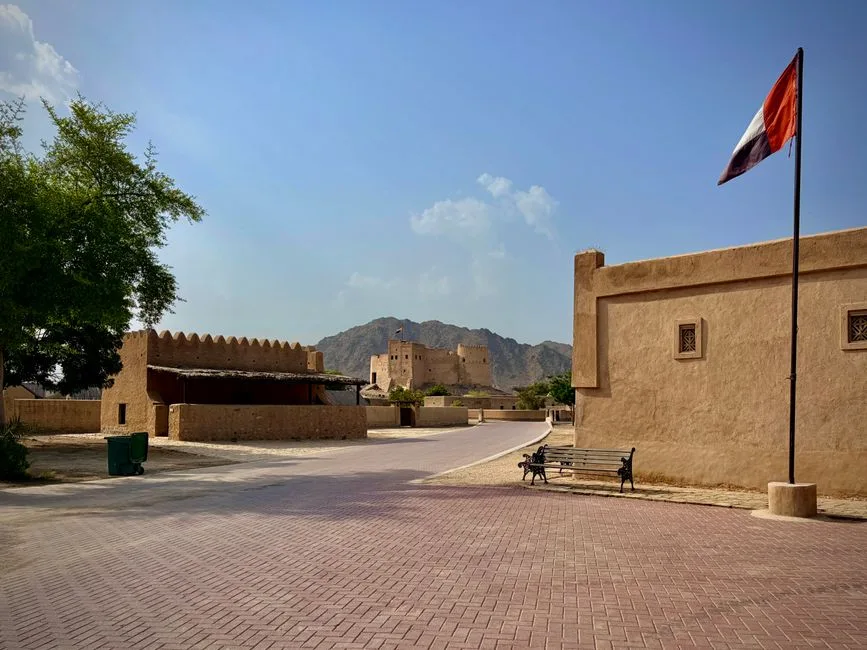
Al Fujairah Municipality sits at the foot of the Hajar Mountains and along the Gulf of Oman, a position that has shaped its identity for centuries. The town grew around a natural harbour that supported pearl diving, fishing and modest trade with the Indian sub‑continent. The most visible reminder of this early period is Fujairah Fort, a stone structure whose walls date back to the 16th century and were later expanded by the Al Sharqi ruling family. The fort’s watchtowers overlook the old market district, offering a tangible link between the city’s defensive past and its present‑day streets.
Museums and Heritage Sites
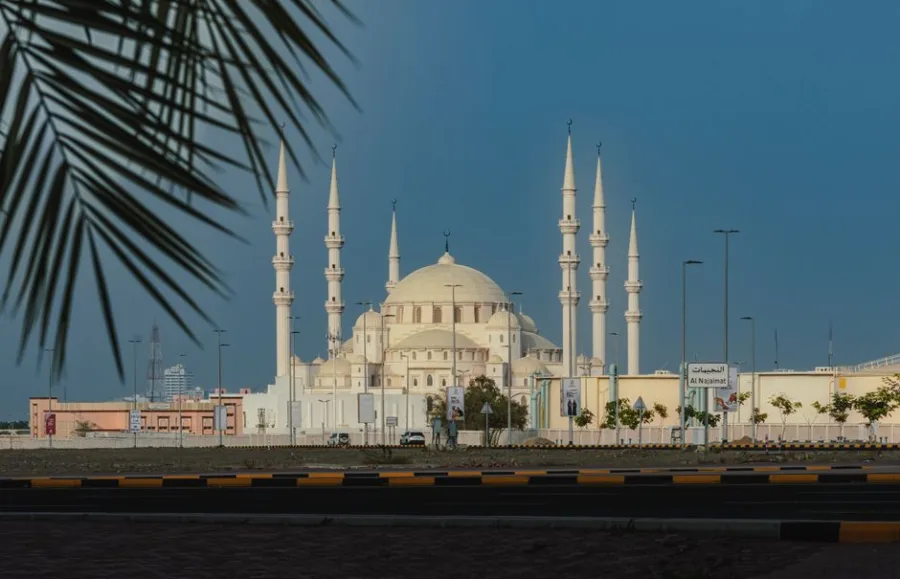
The Fujairah Museum, located near the fort, curates archaeological finds from the surrounding mountains and coastal sites. Exhibits include pottery shards, ancient tools and photographs that trace the transition from a subsistence economy to a modern port city. While the museum does not charge an entry fee, visitors are asked to respect the displayed artifacts and follow the modest dress guidelines common to public spaces in the UAE. Adjacent to the museum, the Al Badiyah Mosque—one of the oldest surviving mosques in the country—stands as a simple stone building whose flat roof and unadorned interior reflect the austere aesthetic of early Emirati architecture.
Traditional Markets and Crafts
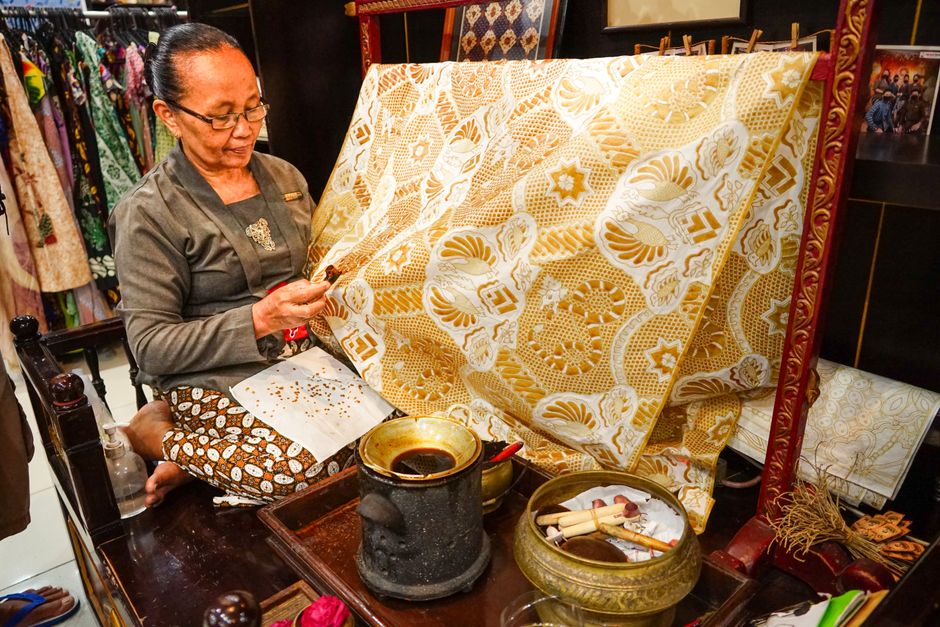
The heart of daily life in Al Fujairah Municipality is its souk, a covered market where locals purchase fresh fish, dates, spices and hand‑woven textiles. The fish market, situated close to the harbour, continues the centuries‑old practice of early morning auctions, though the scale is modest compared to the larger ports of Dubai or Abu Dhabi. Artisans in the souk still produce traditional woven baskets known locally as sadu using natural fibres, a craft that has been passed down through generations of Bedouin families. Visitors can watch the weaving process and purchase items that serve both functional and decorative purposes, supporting a living tradition rather than a museum exhibit.
Living Customs and Community Life
The rhythm of Al Fujairah Municipality is defined by community gatherings and seasonal celebrations. During Ramadan, the city’s streets fill with lanterns and families share meals at communal tables, while the nightly “iftar” tents near the fort provide free refreshments for travelers. The Emirati weekend, Friday and Saturday, sees families strolling along the corniche, children playing in shaded parks, and elders gathering in tea houses to discuss local news. The municipal council regularly organises cultural festivals that showcase traditional music, dance (such as the “Ayallah” performed with swords) and poetry, reinforcing a sense of identity that blends mountain and sea influences.
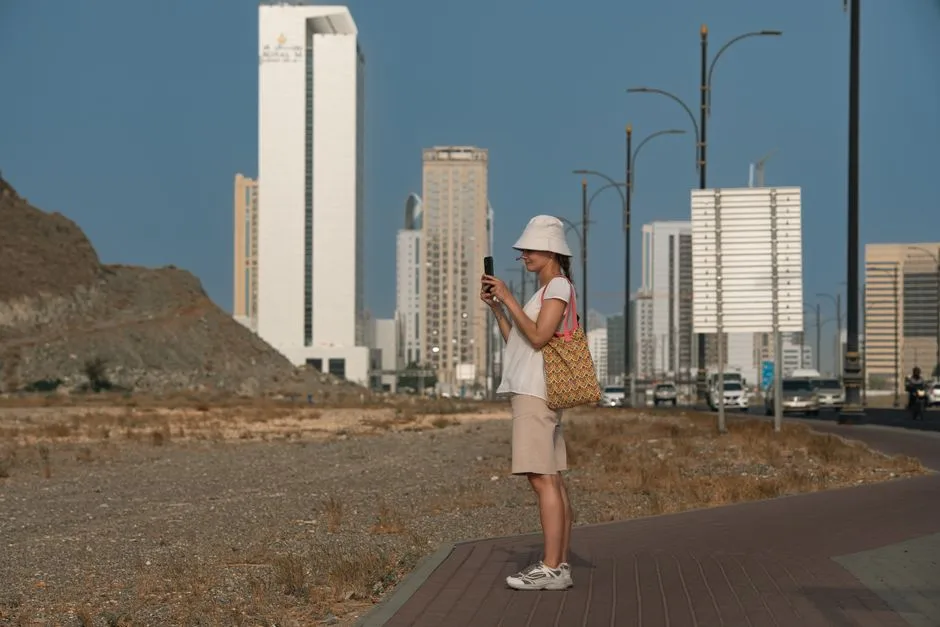
The municipality’s commitment to preserving its heritage is evident in recent urban planning decisions that protect historic buildings while allowing for modest new development. Road widening projects have been designed to avoid the fort’s sightlines, and new public spaces incorporate native palm trees and stone paving reminiscent of older streetscapes.
For travelers seeking an authentic glimpse of Emirati culture that is less commercialised than the major tourist hubs, Al Fujairah Municipality offers a balanced experience: historic sites that are still part of everyday life, markets where commerce and craft intersect, and a community that welcomes respectful visitors into its seasonal rhythms.
Travel information can change. Confirm current entry requirements, opening hours and local guidance with official sources before your trip.