 Photo: JENNI AGUSTINA / Pexels
Historical backdrop
The Sultan’s Palace, or Kraton, sits at the heart of Yogyakarta and has been the seat of Javanese royalty since the 18th century. Batik, a wax‑resist dyeing art, has long been associated with the court, where intricate motifs were reserved for nobility. Today the palace’s cultural center preserves this legacy by offering workshops that let visitors observe and practice the same techniques once taught to palace artisans.
Workshop experience
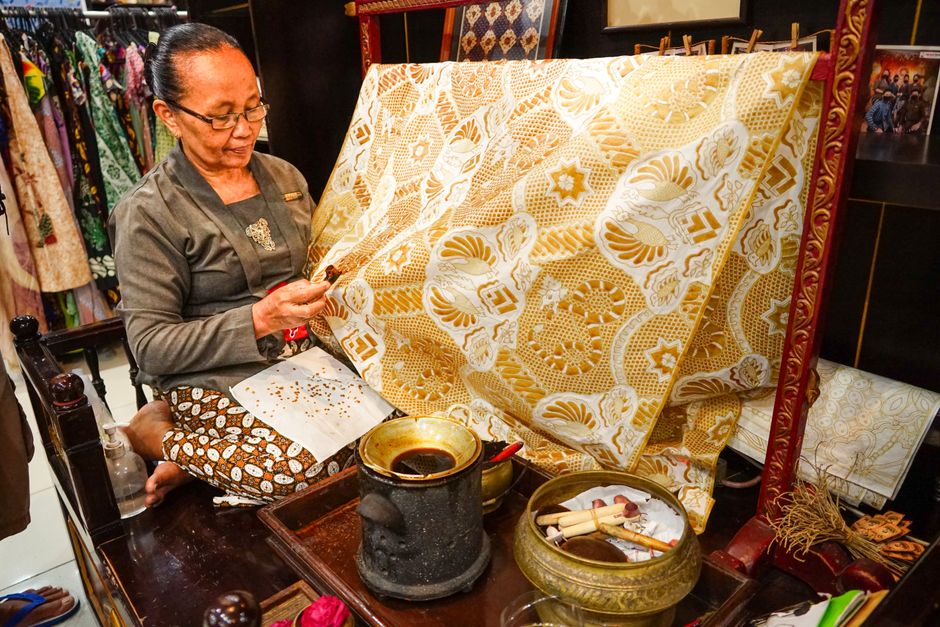
Each session begins with a brief introduction to the symbolism behind common batik patterns, such as the parang and kawung motifs. Participants then learn to draw a design with a canting, the traditional bamboo‑tip tool used to apply hot wax. After the wax sets, the cloth is submerged in a natural indigo or teak leaf dye bath, creating the characteristic deep blue or earthy brown background. The process is repeated for multiple colors, and the final step involves removing the wax with hot water to reveal the contrast. Skilled instructors guide every step, correcting hand pressure and timing, so even beginners leave with a finished piece they can wear or display.
Practical tips for visitors
Bookings are accepted online through the palace’s official cultural‑heritage portal; reservations should be made at least a week in advance, especially during the high tourist season. Arrive 10 minutes early to allow time for a short orientation. Modest clothing is advisable – shoulders and knees should be covered out of respect for the sacred setting. Bring a small bottle of water and a light sweater, as the workshop room can become warm when the wax is heated. English is spoken by most instructors, but a few basic Indonesian phrases (such as "terima kasih") are appreciated. Public transport to the Kraton includes the Trans Jogja bus routes 1B and 2A, which stop at the nearby Taman Sari gate.
Respectful participation
The palace grounds are an active cultural site, so visitors are asked to keep voices low and avoid stepping on decorative tiles. Photography is permitted in the workshop area, but flash and close‑up shots of the wax‑resist process may distract the instructor, so ask before taking pictures. When handling the cloth, treat it gently; the wax can be hot and may cause minor burns. Finally, remember that batik is more than a craft – it embodies Javanese philosophy and identity. Taking the time to listen to the stories behind each motif enriches the experience far beyond the finished fabric.
Materials and sustainability
The workshop supplies pre‑washed cotton cloth, traditionally used for batik because it holds wax and dye evenly. All wax is made from beeswax blended with paraffin, melted in a small stove that recycles heat for the dye baths. Natural dyes such as indigo, teak leaf, and soga (a local mangrove bark) are prepared on‑site, reducing reliance on synthetic chemicals. Participants are encouraged to reuse their finished pieces or donate them to the palace’s community outreach program, which distributes textiles to local schools. Unused fabric scraps are collected for composting, reflecting the palace’s broader commitment to environmentally responsible cultural preservation.