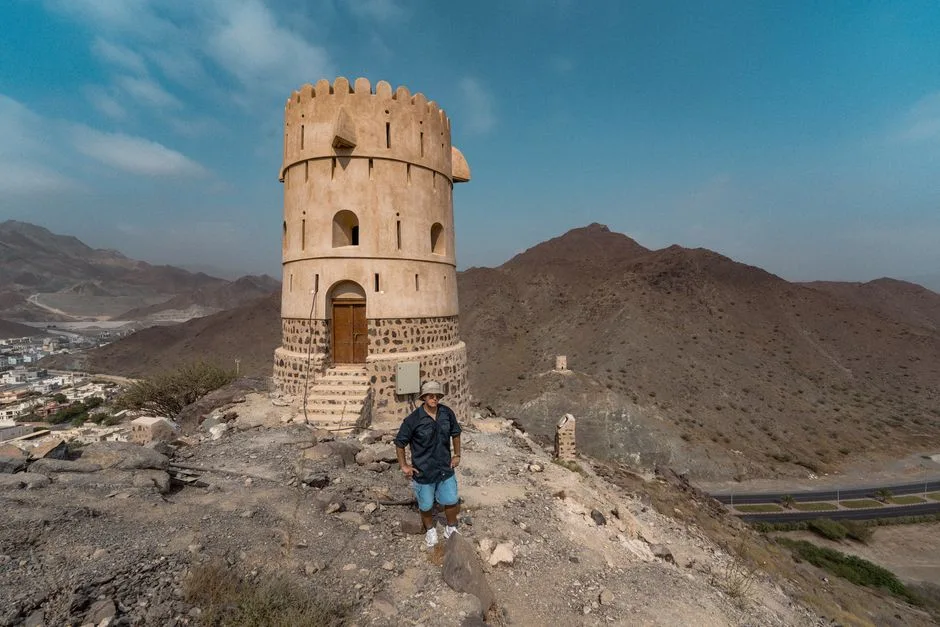
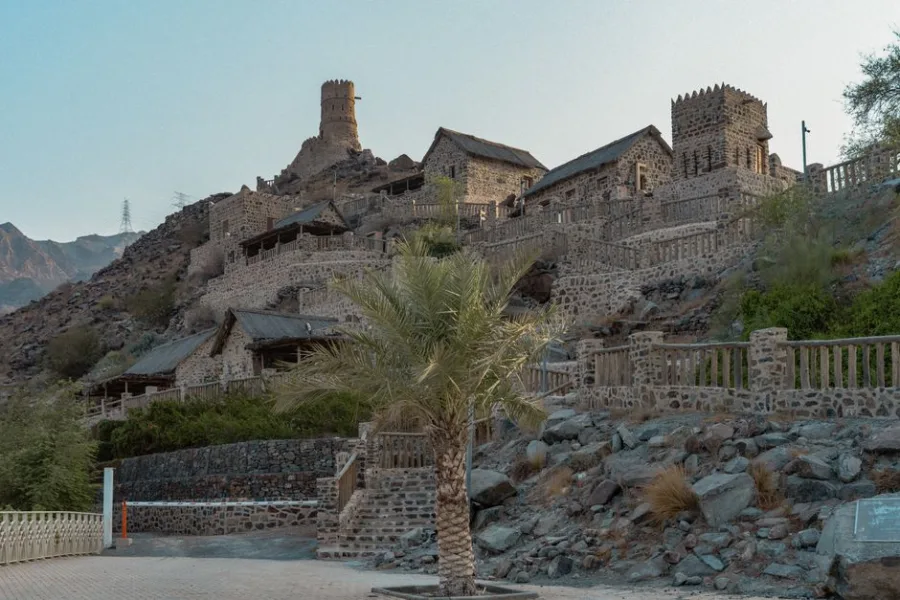
A Coastal History Khor Fakkan sits on an inlet of the Gulf of Oman, forming the only Sharjah exclave on the east coast of the United Arab Emirates. For centuries the natural harbour attracted traders from the Indian subcontinent, Persia and East Africa. The town grew around a modest fishing settlement, and the old fort that now houses the Khor Fakkan Museum bears witness to the defensive role the settlement played for the Al Qasimi rulers. The fort’s stone walls, watchtowers and restored rooms illustrate how maritime security and pearl‑diving shaped daily life. Even today the port remains active, handling bulk cargo while retaining a small fleet of traditional dhows that continue to bring fresh fish to the local market.
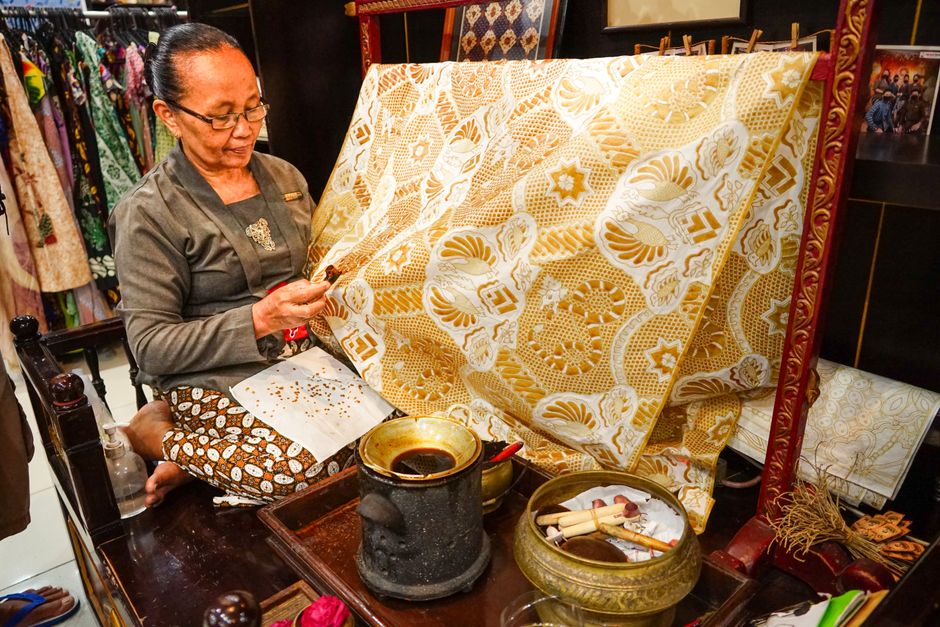
Traditional Markets and Crafts The souk area near the waterfront is a practical illustration of Emirati commerce that has changed little in form. Stalls of fresh catch sit beside vendors selling dates, spices and locally produced honey. Hand‑woven textiles, especially the simple yet sturdy khanjars used for household purposes, are displayed alongside brassware crafted by artisans who follow techniques passed down through generations. Visitors can watch a weaver at a loom or a metalworker shaping a copper tray, gaining insight into the skill set that supported the town’s self‑sufficiency before modern imports arrived. The market’s rhythm follows the call to prayer, and many shopkeepers pause their trade to join the communal prayer, reinforcing the link between commerce and faith.
Festivals and Community Life Cultural celebrations in Khor Fakkan are anchored in the Islamic calendar but also reflect the town’s maritime heritage. During Eid al‑Fitr the streets fill with families sharing meals of grilled fish and rice, while the sound of traditional oud music drifts from community centres. The annual Khor Fakkan Heritage Festival, organised by the Sharjah Cultural Authority, showcases folk dances such as the Harbiya, a coastal dance performed by men in white thobes and embroidered headgear. Local schools participate with poetry recitals that reference the sea and the surrounding mountains, reinforcing a sense of place among younger generations. The festival also includes a boat‑building exhibition where craftsmen demonstrate the construction of wooden dhows, a practice that remains a living skill rather than a museum piece.
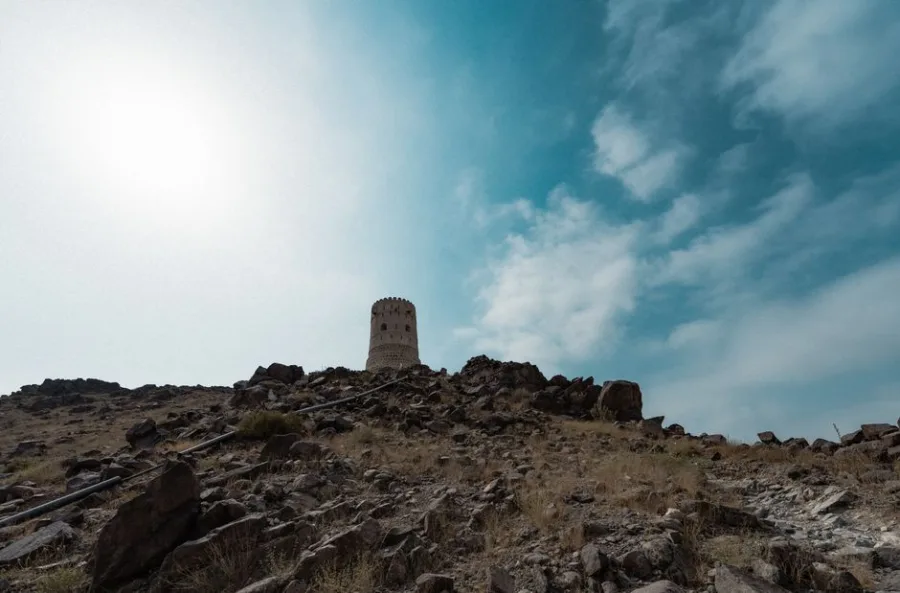
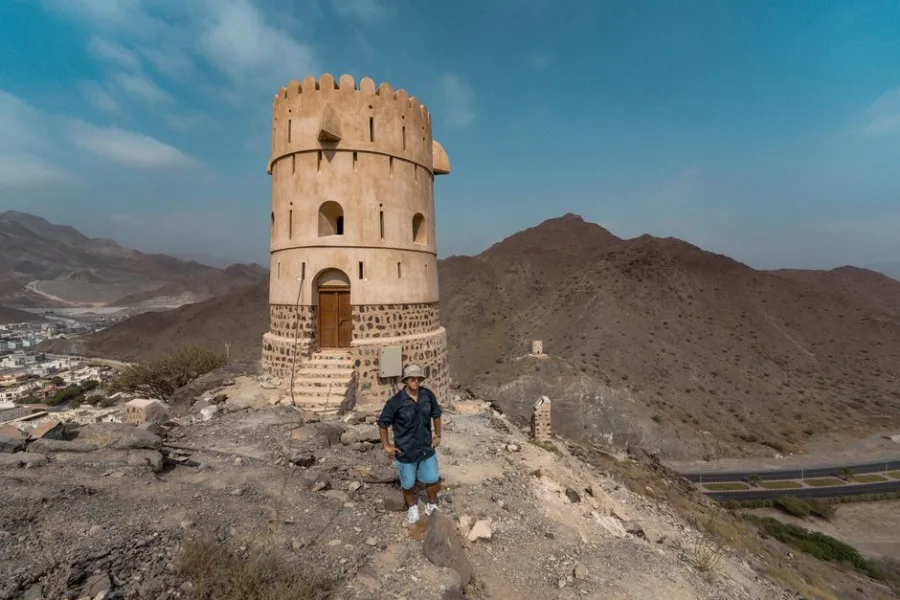
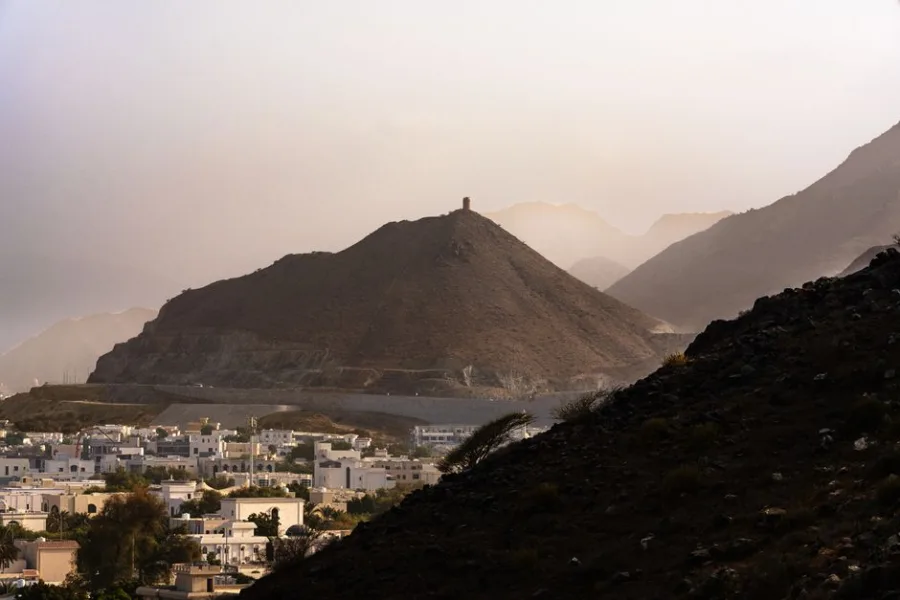
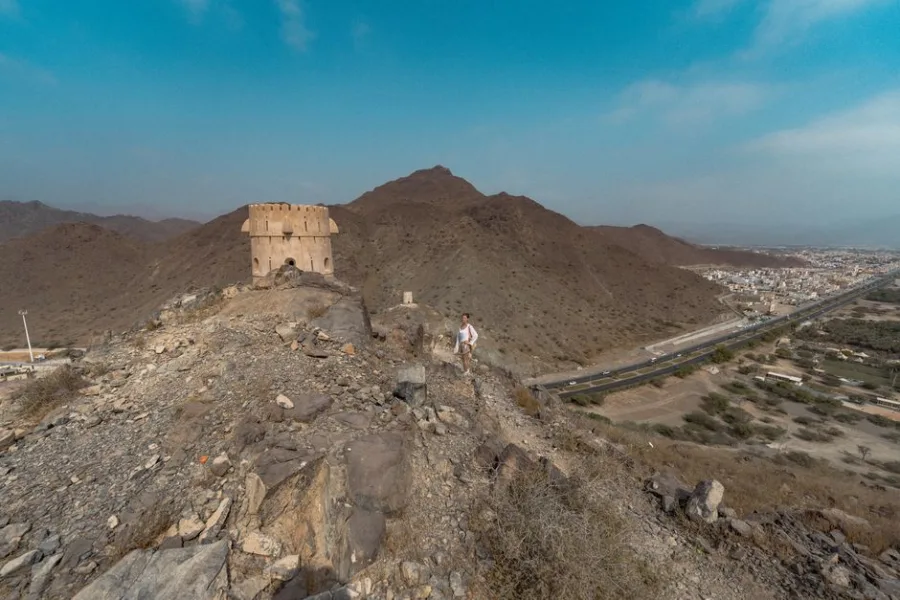
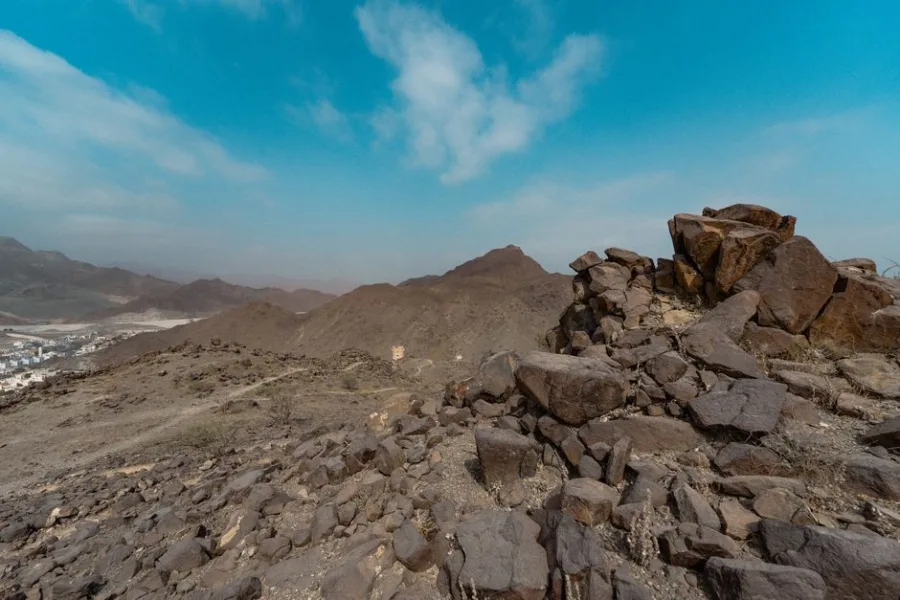
Nature, Mountains and Cultural Identity Behind the town rises the Hajar mountain range, a dramatic backdrop that has shaped settlement patterns and cultural identity. The Al Rafisah Dam, built in the early 2000s, created a reservoir that now supports irrigation for small farms growing mangoes and citrus fruits. The dam’s surrounding park offers shaded walkways where locals gather for evening tea, a ritual that blends the cool mountain air with the salty breeze from the gulf. The juxtaposition of sea and stone is reflected in local storytelling; elders recount tales of fishermen navigating the monsoon winds while shepherds tend goats on the mountain slopes. This duality informs the town’s architecture as well, with houses built of coral stone near the coast and mud‑brick structures higher up, each responding to the climate and available materials.
Together these elements—historic harbour, bustling souk, seasonal festivals and the surrounding natural landscape—form a cohesive picture of Khor Fakkan’s cultural fabric. Travelers who pause to observe the daily rhythms, speak with artisans, or simply walk the corniche will encounter a community that balances modern development with a deep respect for its maritime and mountainous roots.
Travel information can change. Confirm current entry requirements, opening hours and local guidance with official sources before your trip.