
- Destination
- Angola
- Collection
- Travel Tips
- Reading time
- 3 min
- Updated
- Nov 18, 2026
Understanding Ombadja’s Climate
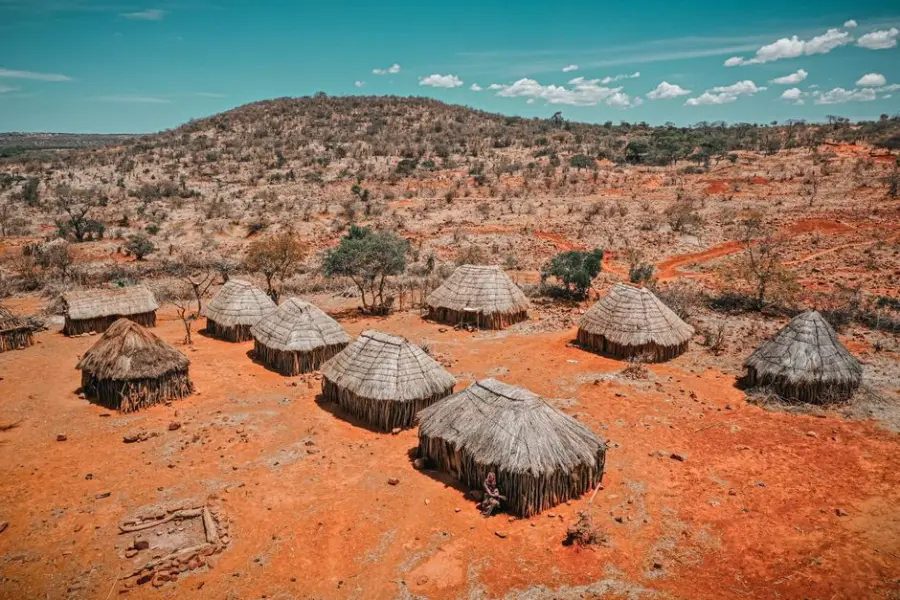
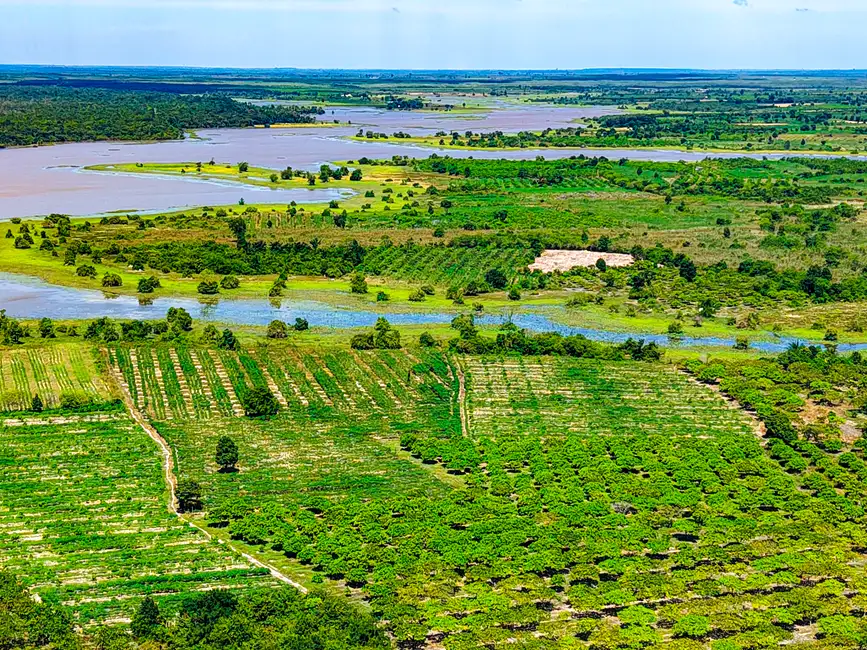
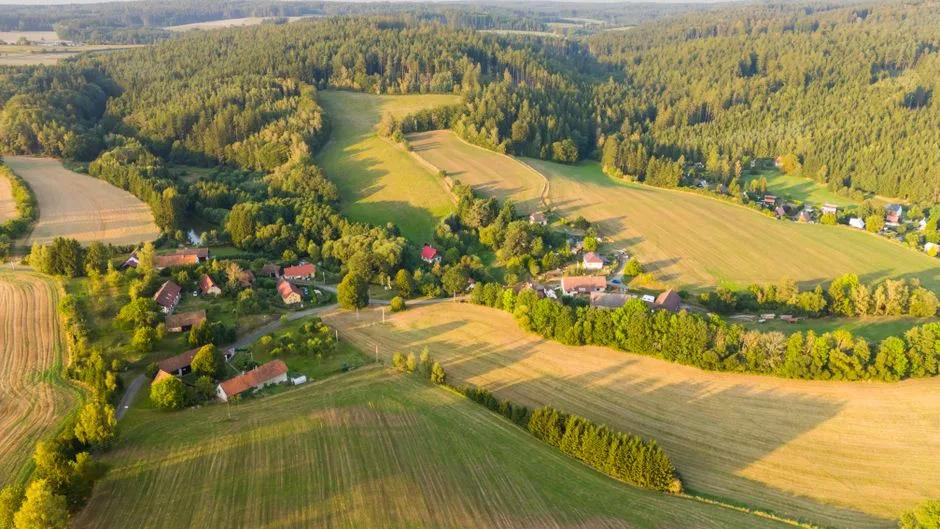
Ombadja, the administrative district in Cunene Province, sits in a semi‑arid zone where daily highs often exceed 30 °C (86 °F) during the dry season. Rainfall is scarce and the sun shines for most of the day, creating strong ultraviolet (UV) radiation levels. The combination of heat, low humidity, and open terrain means that dehydration can set in quickly, especially for visitors unfamiliar with the local conditions. Recognising the climate pattern—hot mornings, intense midday sun, and cooler evenings—helps you plan activities around the safest times of day.
Sun‑Protection Essentials
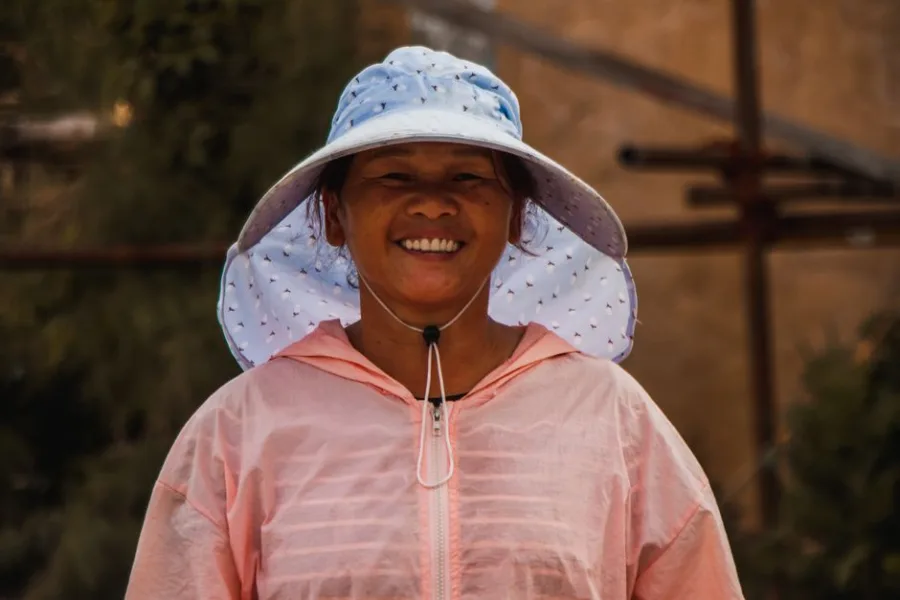
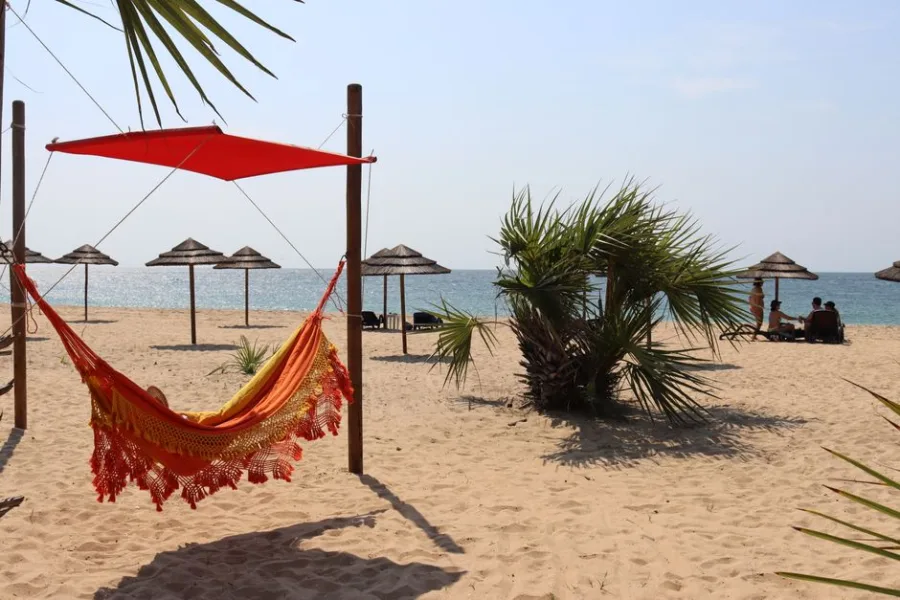
The most effective way to avoid sunburn and long‑term skin damage is to start protection before you step outside. Apply a broad‑spectrum sunscreen with at least SPF 30 30 minutes before exposure and reapply every two hours, or after sweating or swimming. Choose a water‑resistant formula to cope with occasional dust or sweat. In addition to sunscreen, wear a wide‑brimmed hat that shades your face, neck, and ears; a hat with a UPF‑rated fabric adds extra defense. UV‑blocking sunglasses protect your eyes from glare and reduce the risk of cataracts, a concern in high‑UV environments. Light‑colored, loose‑fitting clothing made from tightly woven fabrics also reflects sunlight and allows sweat to evaporate.
Hydration Planning
Staying hydrated is a matter of both quantity and quality. The human body can lose up to 1 liter of fluid per hour in hot, dry conditions, so aim to drink at least 2 liters of water per day, adjusting upward for longer hikes or intense activity. Carry a reusable water bottle that you can refill at safe sources—many guesthouses and small towns in Ombadja provide filtered water. If you’re unsure about water safety, use a portable purification method such as a UV pen or chlorine tablets before drinking. Adding a pinch of salt or an electrolyte tablet can help replace minerals lost through sweat, especially during extended treks.
Practical Day‑to‑Day Tips
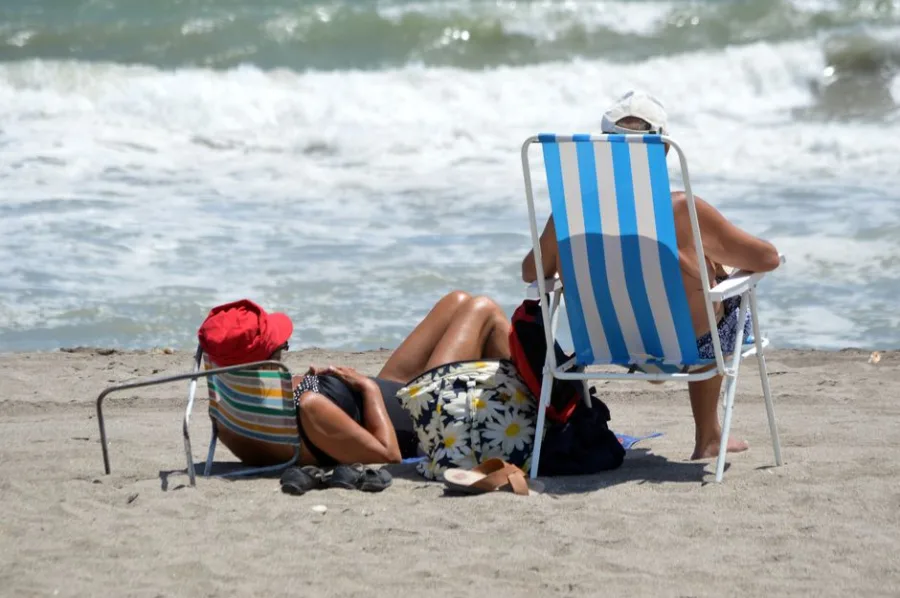
- Schedule outdoor excursions for early morning or late afternoon when the sun’s angle is lower and temperatures are milder. Midday travel (12 pm–3 pm) should be limited to shaded routes or indoor attractions.
- Take regular shade breaks every 30‑45 minutes. Even a brief pause under a tree or a simple canopy reduces cumulative UV exposure and gives your body a chance to cool down.
- Snack on water‑rich foods such as oranges, melons, or cucumbers. These not only contribute to fluid intake but also provide vitamins that support skin health.
- Listen to your body. Early signs of dehydration include dry mouth, dizziness, and dark urine. If you notice any of these, stop, hydrate, and rest in the shade before continuing.
- Respect local practices. Many civis in Ombadja carry a small cloth or handkerchief to wipe sweat; adopting this habit can keep you comfortable and prevent salt crystals from irritating the skin.
By integrating these strategies—pre‑emptive sunscreen use, thoughtful clothing choices, disciplined water consumption, and timing activities around the sun—you can explore Ombadja’s striking landscapes safely and comfortably. The region’s open horizons and cultural richness reward those who prepare wisely, ensuring that the adventure remains memorable for the right reasons.
Travel information can change. Confirm current entry requirements, opening hours and local guidance with official sources before your trip.

Comments 0
Share a helpful thought or question. Comments appear after review.
Be the first to share a thoughtful comment.
Leave a comment
Your email will not be displayed. Please keep comments relevant and respectful.