
- Destination
- Gambia
- Collection
- Travel Tips
- Reading time
- 3 min
- Updated
- Nov 18, 2026
Understanding the Agricultural Calendar
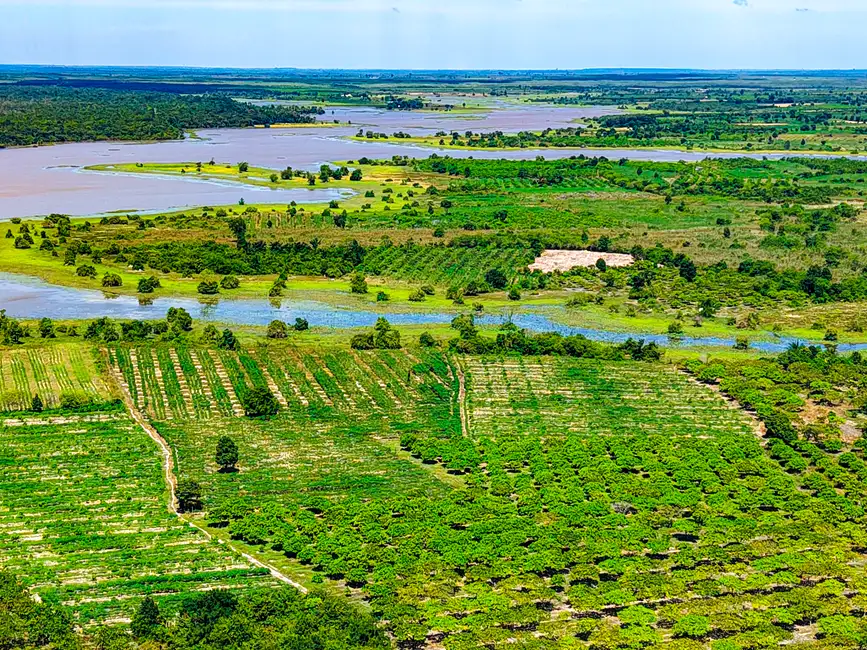
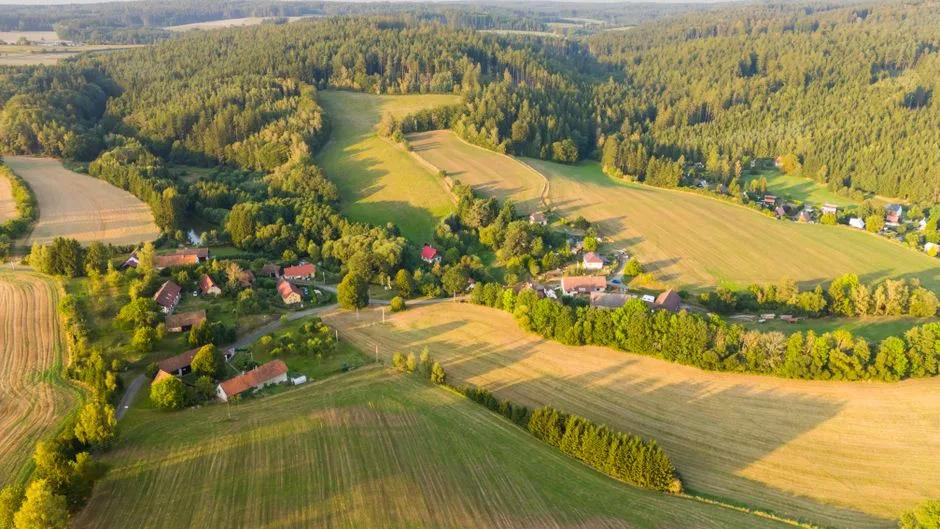
Wuli district lies in the Upper River Division, a region where agriculture shapes daily life. The main crops are millet, sorghum, rice and groundnuts, each following a rhythm that starts with the onset of the rainy season in June and ends with the dry months after December. Plan your trip around the planting calendar if you wish to see fields being prepared, or around the harvest period to witness communal gathering of crops. Local farmers often speak Manding or Fula, so a few courteous words can open doors.
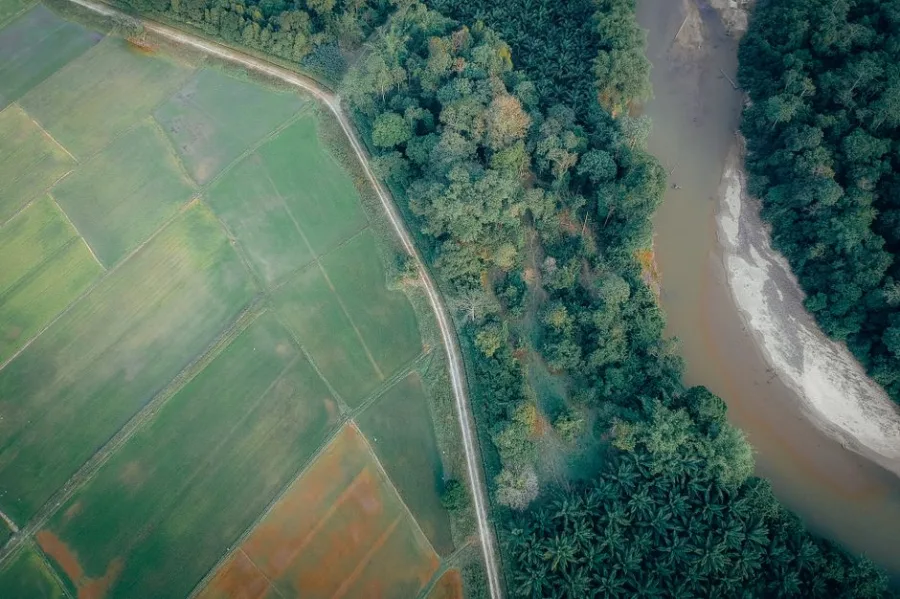
The planting season typically runs from June through September. During this time, fields are tilled, seeds are sown, and irrigation channels are cleared. Harvest follows from October to December, when families work together to reap millet and sorghum, then dry and store them for the lean months. Understanding these phases helps you avoid unintentionally stepping on freshly plowed soil or interrupting critical labor.
Timing Your Arrival: Planting vs. Harvest
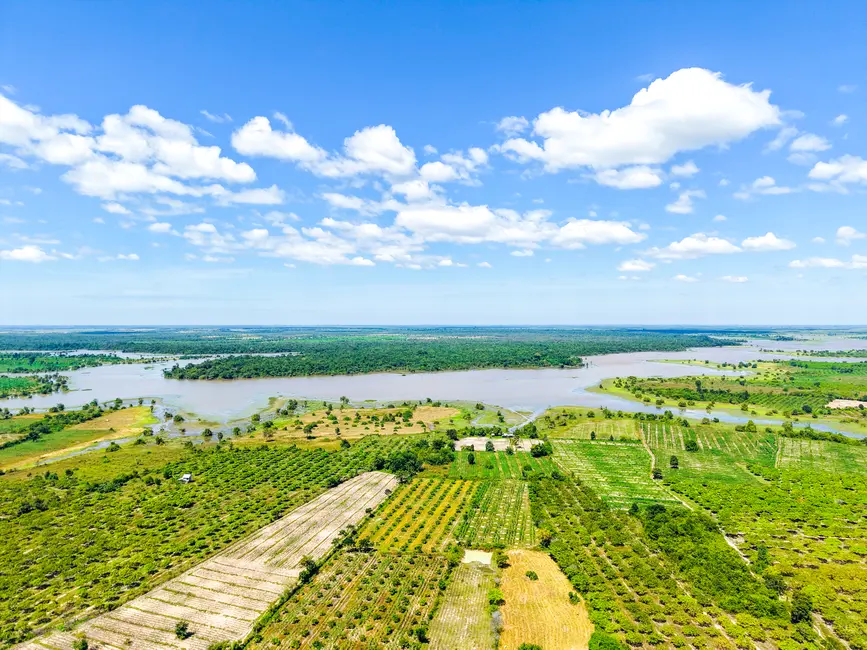
If you arrive in July or August, you will see the landscape dotted with newly turned earth and rows of seedlings. This is an excellent period for learning about traditional seed selection and the communal labor system known as nyam. Visitors who respect the schedule can observe the careful spacing of millet and even ask to join a short demonstration, provided they have asked permission before entering fields.
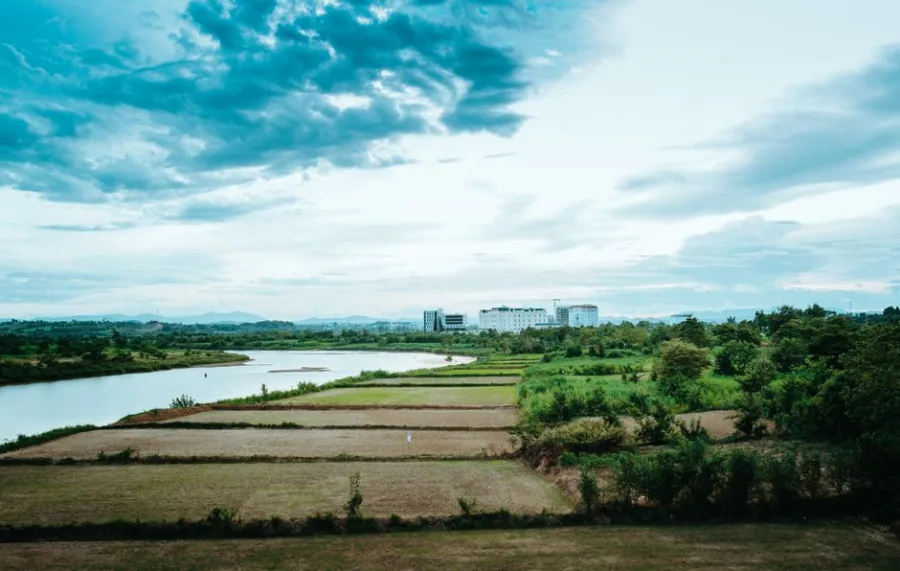
Visiting in October or November places you in the heart of the harvest. The air carries the scent of drying grain, and villages often hold small celebrations after the work is done. Travelers can support these moments by buying freshly milled flour or groundnut paste at local markets, thereby supporting local markets and reinforcing the value of the harvest to the community.
Ways to Show Respect on the Ground
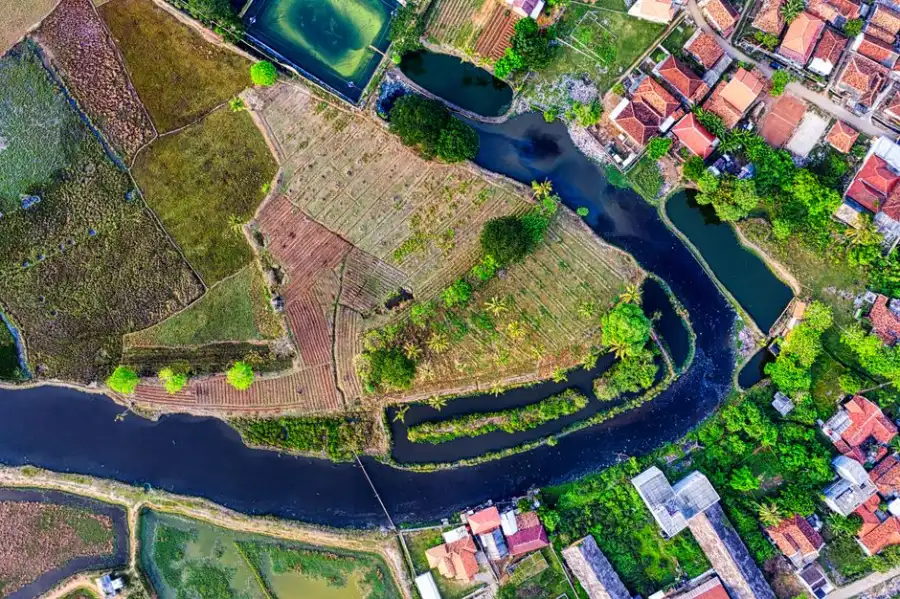
First, always ask a resident or a guide before crossing a field or setting down a bag. A simple, "May I walk through?" shows awareness of the farmer’s effort. Second, keep noise to a minimum; the rhythmic songs sung during planting and harvest are integral to the work and should not be drowned out by loud conversation or music. Third, dress modestly and wear sturdy, closed shoes to protect both yourself and the crops.
Carry reusable water containers and avoid leaving plastic waste behind. The region’s waste management infrastructure is limited, so carry reusable water containers and pack out any trash you generate. When you purchase food, prefer items that are locally produced rather than imported, reinforcing the community’s economic base.
Beyond the Fields: Sustainable Activities
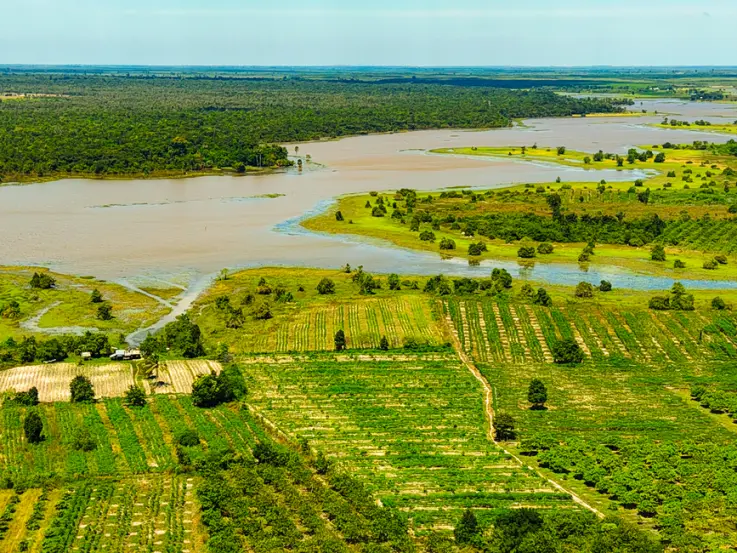
When you are not in the fields, explore the riverbanks of the Gambia River, which border Wuli. Small boat trips can be arranged with local operators who know the safest routes and respect fishing zones. Visiting the weekly market in Basse Santa Su offers a chance to sample seasonal fruits such as mangoes and tamarinds, and to practice the principle of share your presence respectfully by listening more than speaking.
Finally, consider contributing a small amount of time to a community project, such as helping to repair a footbridge or assisting with a school garden. These gestures are appreciated when they are offered without expectation of payment and align with the community’s own priorities. By aligning your itinerary with the agricultural calendar, asking permission, and supporting local economies, you create a travel experience that honors the rhythms of Wuli and leaves a positive imprint on the people you meet.
Travel information can change. Confirm current entry requirements, opening hours and local guidance with official sources before your trip.

Comments 0
Share a helpful thought or question. Comments appear after review.
Be the first to share a thoughtful comment.
Leave a comment
Your email will not be displayed. Please keep comments relevant and respectful.