
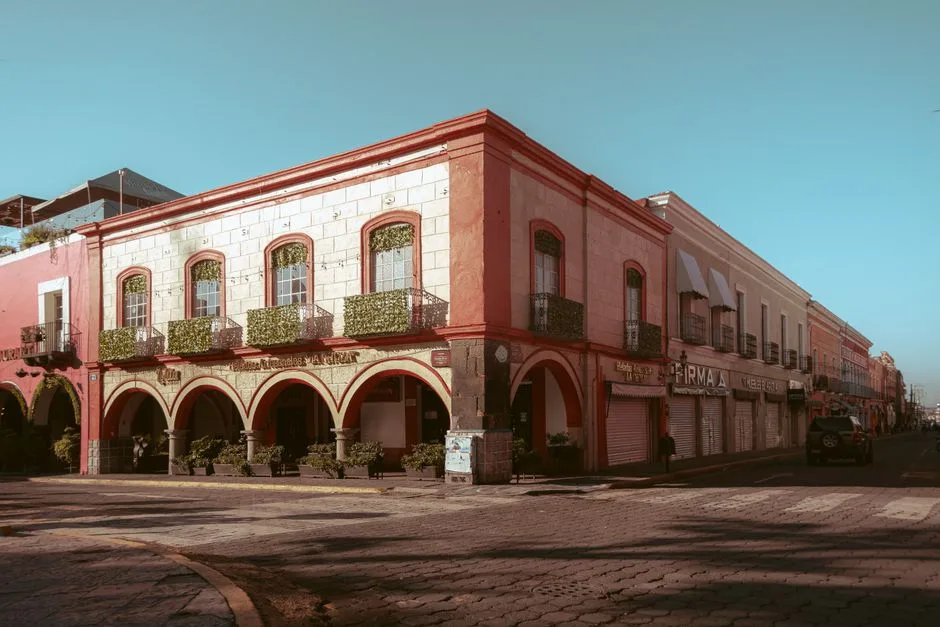
Colonial Foundations
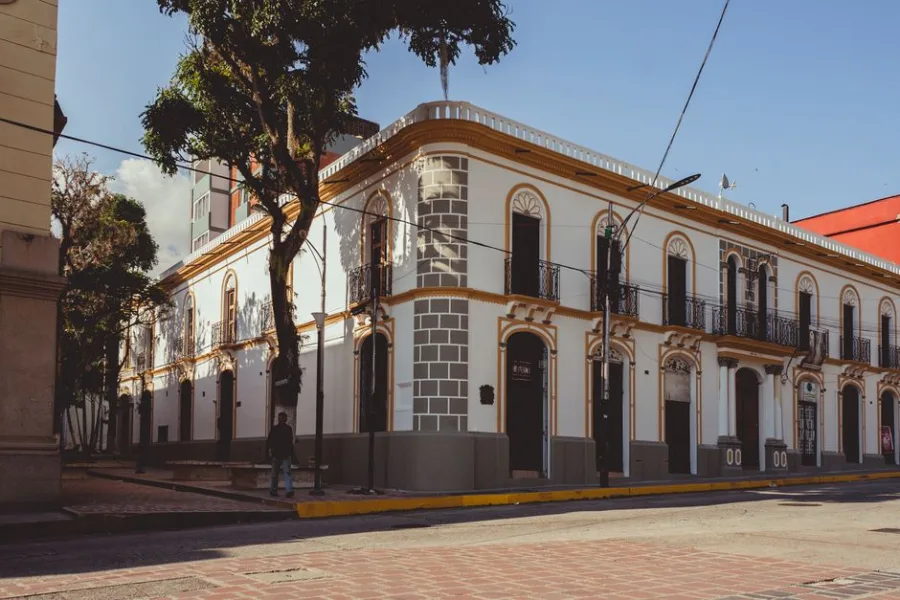
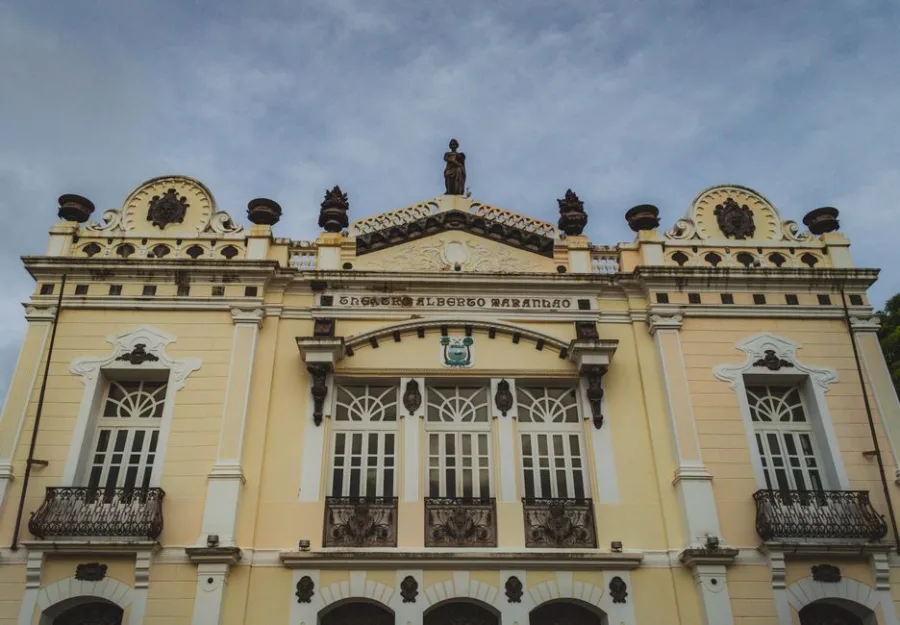
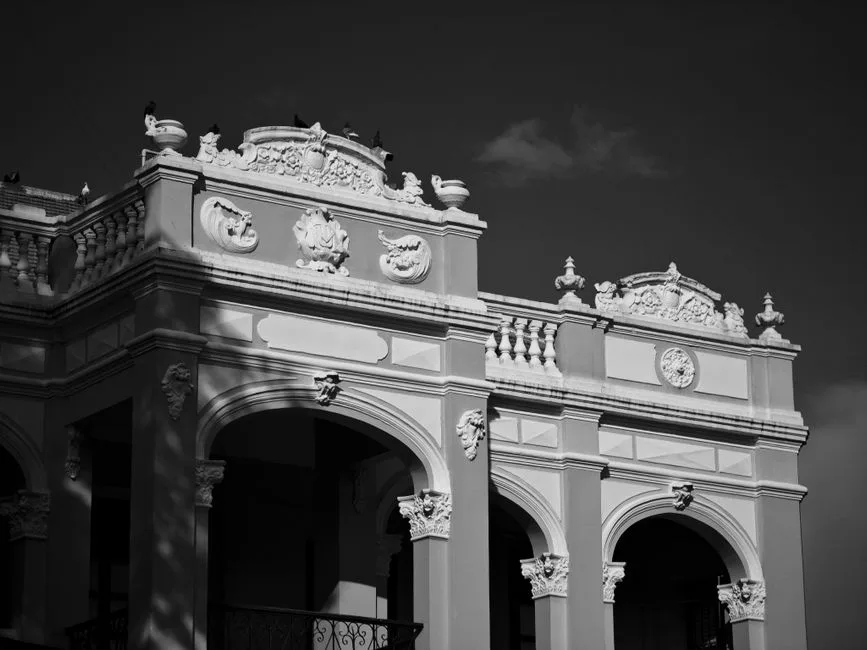
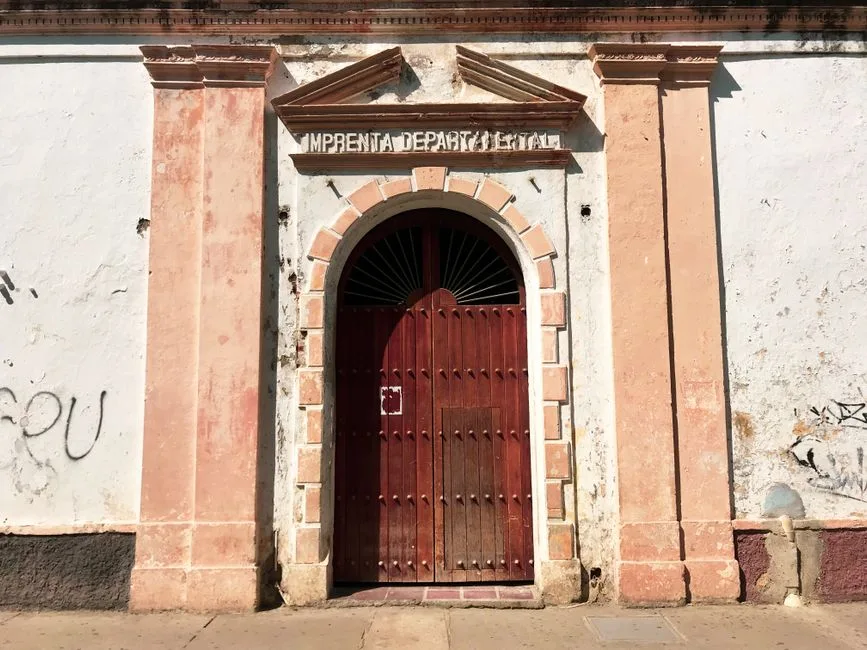
Centro, the historic heart of Villahermosa, is anchored by a grid of streets laid out during the Spanish colonial period. The most visible reminder of that era is the Catedral de la Inmaculada Concepción, a stone‑faced structure whose façade blends Baroque ornamentation with local stonework. Around the cathedral, the Plaza de Armas offers a spacious, shaded rectangle that has served as a civic gathering point since the 16th century. Flanking the plaza are government buildings and the former municipal palace, both featuring arcades, wrought‑iron balconies, and the muted pastel tones typical of colonial public architecture. A short walk brings you to the Casa de la Cultura, a restored 19th‑century mansion now housing exhibitions on Tabasco’s history, and the Museum of Tabasco, which occupies a former customs house and displays artifacts ranging from pre‑colonial pottery to 19th‑century photographs. The built environment in Centro therefore reads as a layered narrative: stone churches, wooden shutters, and tiled roofs coexist with later neoclassical additions, creating a visual continuity that defines the district’s identity.
The Rise of Street Art
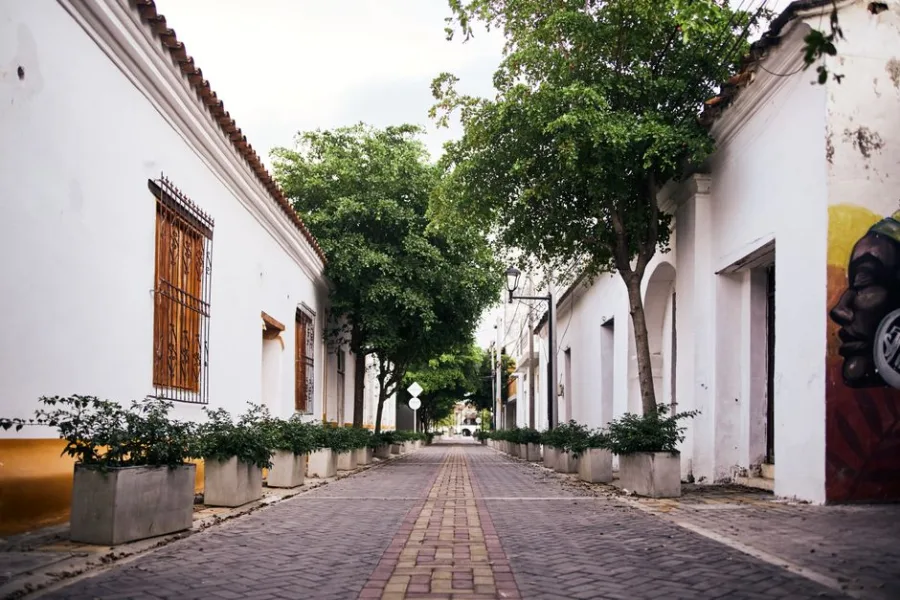
In the last decade, a new visual language has begun to overlay the colonial canvas. Local artists, often organized through community workshops, have turned blank walls into vibrant murals that celebrate the state’s rivers, rainforests, and oil heritage. The most concentrated clusters appear near the municipal market and along the riverfront promenade, where large panels depict stylized jaguar motifs, the flowing Usumacinta, and abstracted oil rigs rendered in bright turquoise and ochre. These works are not random graffiti; they are the product of municipal art programs that encourage public participation and aim to revitalize neglected façades. The result is a dialogue between the old stone façades and contemporary pigment, where a colonial balcony may be framed by a mural of tropical foliage, linking past and present in a single streetscape.
Walking the Blend
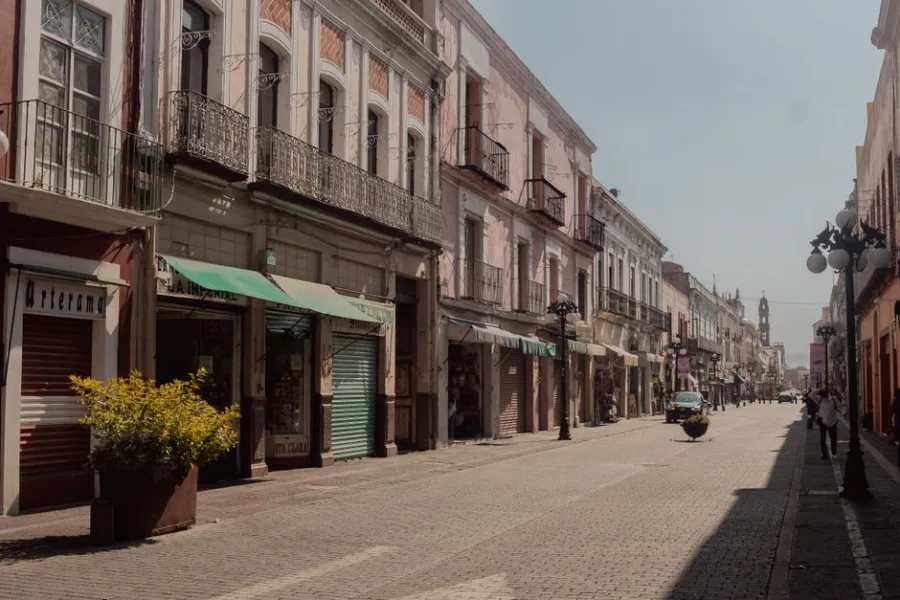
A pedestrian itinerary makes the contrast easy to experience. Begin at the cathedral’s main entrance, pause to admire the carved stone cornices, then turn onto Calle 5 de Mayo. Here the colonial rhythm of narrow sidewalks is interrupted by a mural that stretches the length of a former bakery, its colors echoing the market’s bustling stalls. Continue toward the riverwalk, where the modern Paseo Tabasco offers a view of the Grijalva River and a series of sculptural installations that echo the region’s ecological concerns. On the opposite side of the river, the historic district’s southern edge reveals a series of low‑rise buildings whose façades have been refreshed with graffiti‑style lettering that spells out local place names in a playful font. The juxtaposition invites visitors to compare the solidity of stone arches with the fluidity of spray paint, highlighting how the city’s visual identity is actively being rewritten.
Practical Tips for Visitors
Travelers who wish to explore this blend should plan for comfortable walking shoes, as many of the streets are cobbled and the murals are best viewed at eye level. The climate in Tabasco is humid and warm year‑round, so carrying water and a light rain jacket is advisable. Public transport options include the local bus system, which stops near the Plaza de Armas, and a network of bike‑share stations that allow short trips across the riverfront. Guided walking tours are offered by the Casa de la Cultura; these tours focus on the historical architecture and often include commentary on recent mural projects, providing context without relying on speculative anecdotes. Finally, respect for the artworks is essential: many murals are community‑owned, and photographing them is encouraged, but touching the paint or stepping onto the walls is discouraged to preserve the pieces for future visitors.
Travel information can change. Confirm current entry requirements, opening hours and local guidance with official sources before your trip.
Comments 0
Share a helpful thought or question. Comments appear after review.
Be the first to share a thoughtful comment.
Leave a comment
Your email will not be displayed. Please keep comments relevant and respectful.