
- Destination
- Azerbaijan
- Collection
- Food
- Reading time
- 3 min
- Updated
- Nov 13, 2026
The Landscape and Climate of Shaumyan
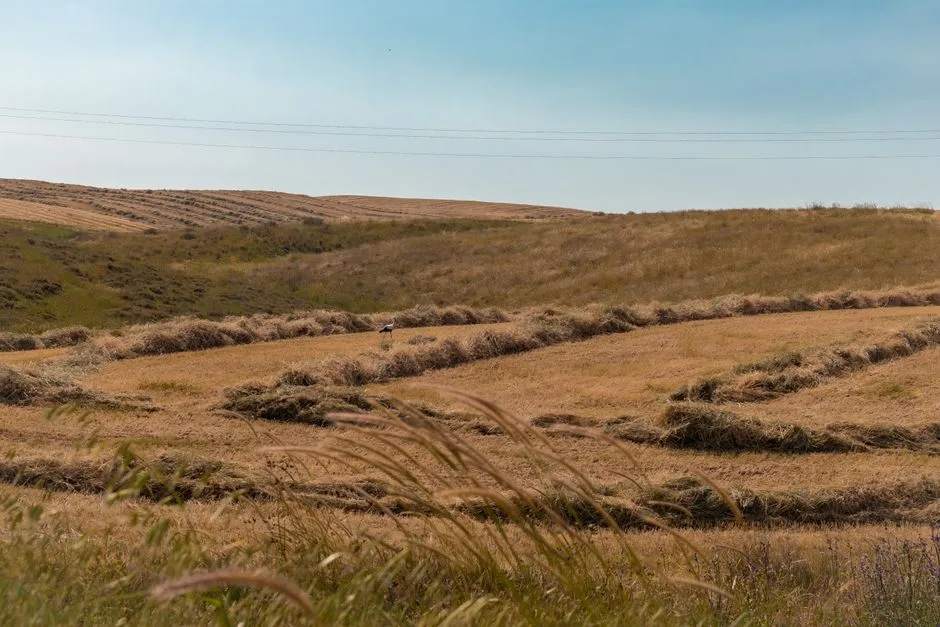
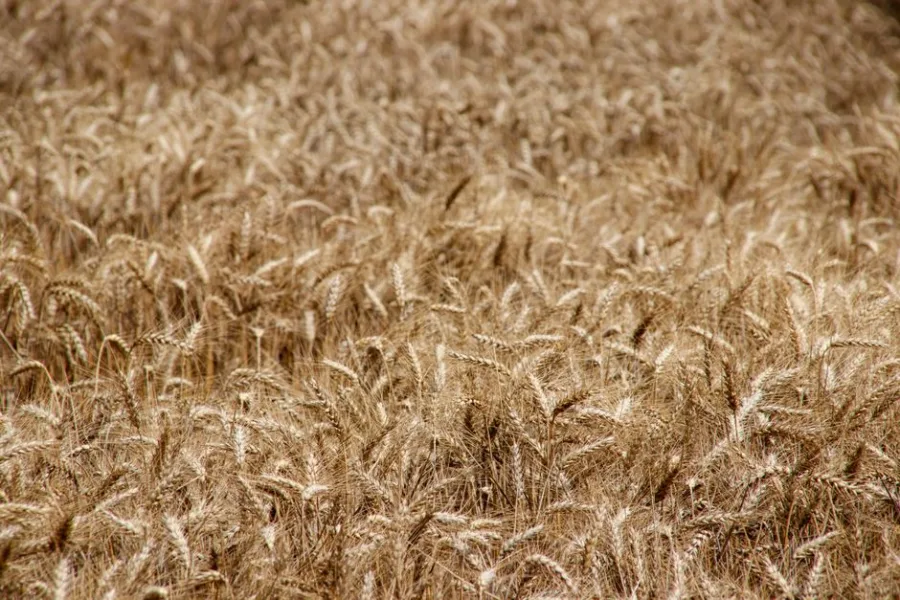
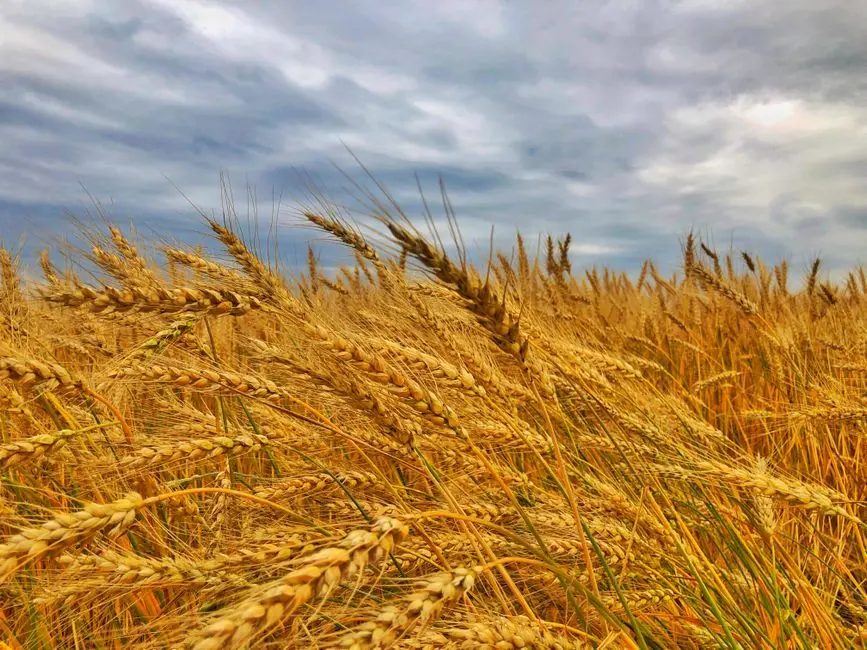
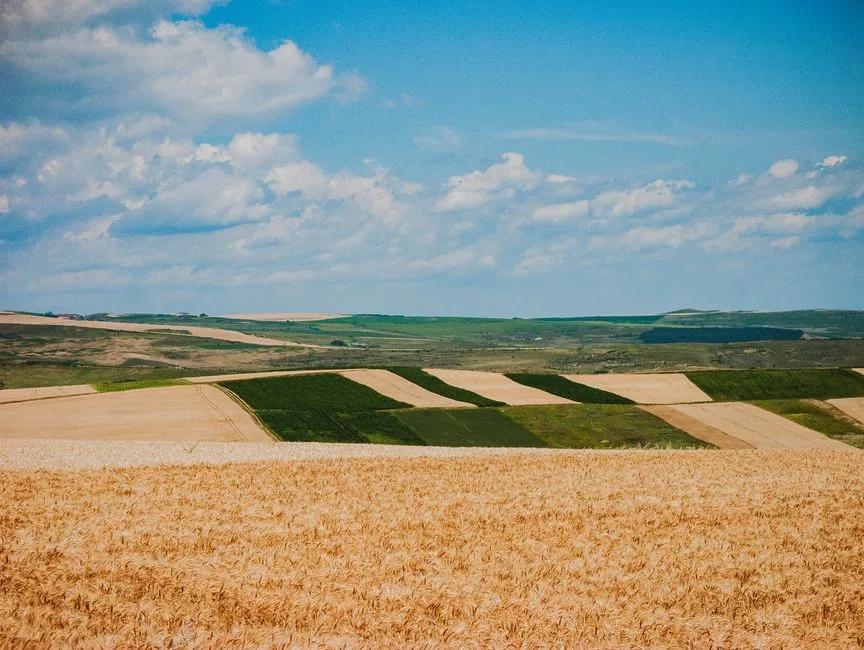
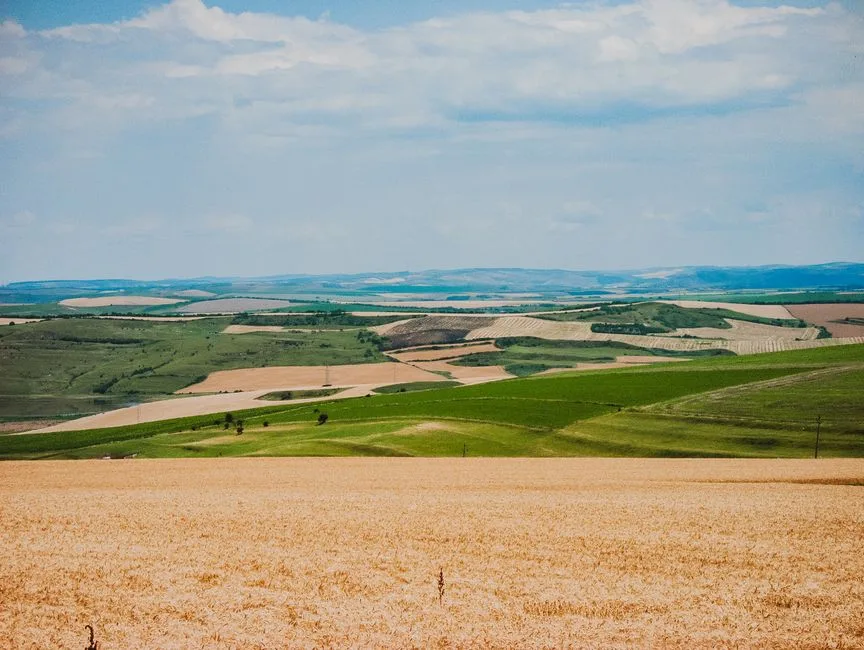
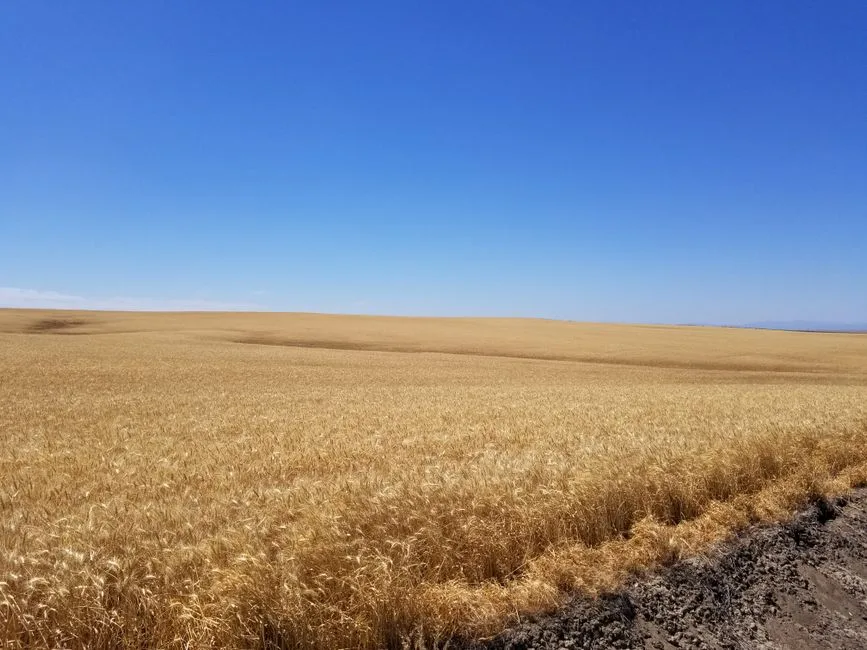
Shaumyan lies on the low‑lying plains of Goranboy District, where the Kura River basin provides fertile alluvial soil. The region enjoys a continental climate: hot, dry summers and cool, moist winters. These conditions favour hard red winter wheat, a staple that ripens in late July and is harvested by early September. The wheat’s golden hue is a familiar sight across the fields, and the steady wind patterns help the stalks dry naturally, reducing the need for artificial drying.
From Field to Flour: Local Milling Practices
After harvest, most farmers in Shaumyan sell their grain to small cooperatives that operate stone‑grinding mills in nearby villages. The mills are often family‑run and use a combination of traditional stone stones and modest electric rollers. This hybrid approach preserves the nutrient‑rich bran while achieving a fine, consistent flour that is ideal for everyday breads. Because the mills are close to the fields, the time between harvest and milling is short, keeping the flour’s aroma fresh. Some households also keep a home‑mill efficiency tip: a brief sifting of the flour removes larger particles, giving a smoother dough without sacrificing the wheat’s natural flavor.
Traditional Home Baking Techniques
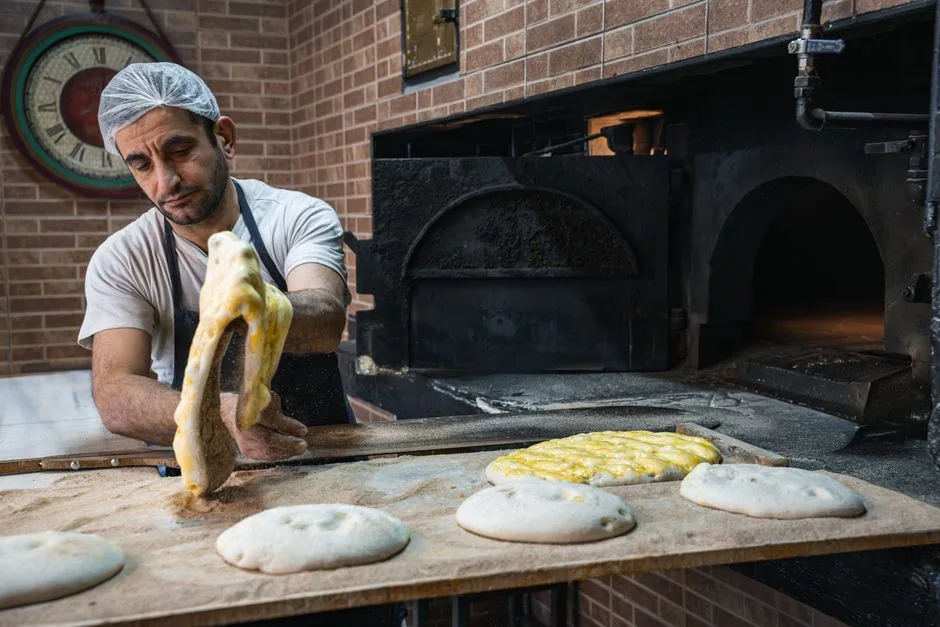
In Goranboy, the most common breads are lavash and təndir flatbreads, both of which rely on the local flour’s gluten strength. Home bakers typically begin with a long fermentation period, allowing the dough to develop a mild sour note that balances the wheat’s natural sweetness. The dough is then divided into thin discs and slapped onto the hot walls of a təndir oven, a clay structure that retains heat for hours. The result is a crusty exterior with a soft, airy interior—exactly the texture families expect at every meal. For those without a təndir, a conventional kitchen oven set to a high temperature (around 250 °C) can mimic the effect, especially when a baking stone is used.
Everyday Impact on the Family Table
The influence of Shaumyan’s wheat extends beyond taste. Because the flour is produced locally, families often have a reliable supply that does not depend on distant markets. This stability allows for spontaneous baking: a quick roll of dough can become a fresh loaf for breakfast or a side for plov (rice pilaf). Moreover, the wheat’s protein content supports the elastic dough needed for shaping pakhlava or other festive pastries during holidays. The connection between field and table also reinforces community ties; neighbors frequently exchange surplus grain or share tips on optimal milling settings, creating a subtle but persistent network of culinary knowledge.
The seasonal rhythm—planting in autumn, growing through spring, harvesting in late summer—marks the calendar for home cooks. When the first wheat is cut, households anticipate the upcoming batch of breads, and the scent of fresh flour becomes a marker of summer’s end. In this way, the wheat fields of Shaumyan are not just an agricultural asset; they are a cultural backbone that shapes daily meals, family rituals, and the very language of hospitality in Goranboy District.
Travel information can change. Confirm current entry requirements, opening hours and local guidance with official sources before your trip.


Comments 0
Share a helpful thought or question. Comments appear after review.
Be the first to share a thoughtful comment.
Leave a comment
Your email will not be displayed. Please keep comments relevant and respectful.