
- Destination
- Armenia
- Collection
- Food
- Reading time
- 3 min
- Updated
- Nov 11, 2026
Landscape of Home Gardens in Armavir
The villages scattered across the fertile plains of Armavir enjoy a climate of hot, dry summers and mild, wet springs. Most households maintain a modest plot either behind their home or within a shared courtyard. The soil, enriched by generations of cultivation, supports a range of vegetables that benefit from the region’s regional irrigation network, which draws water from nearby reservoirs and seasonal streams. Gardeners commonly employ simple raised beds or stone‑lined rows, and many have adopted low‑cost drip‑irrigation kits supplied by local cooperatives. This modest infrastructure enables families to grow pesticide‑light produce throughout the growing season.

Seasonal Planting Cycle
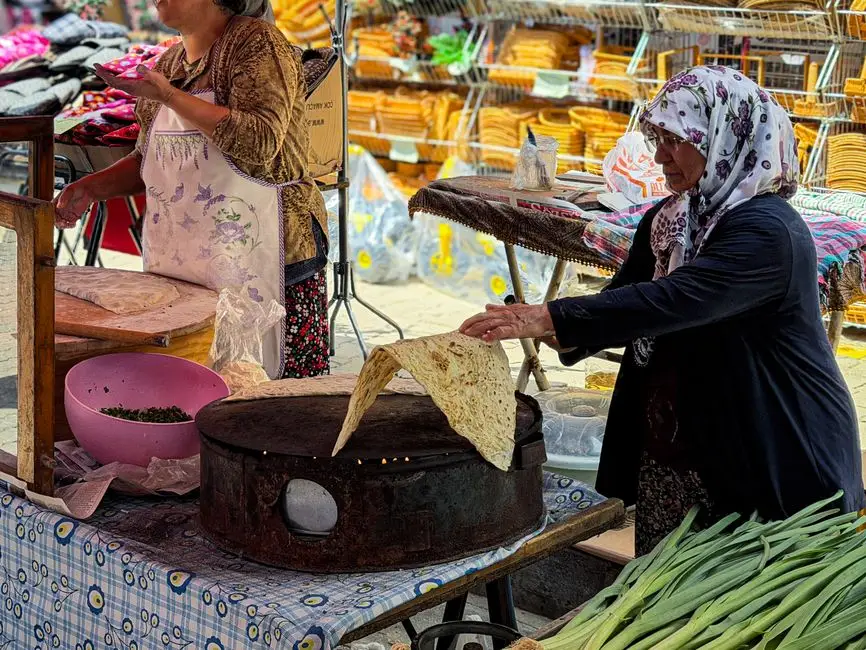
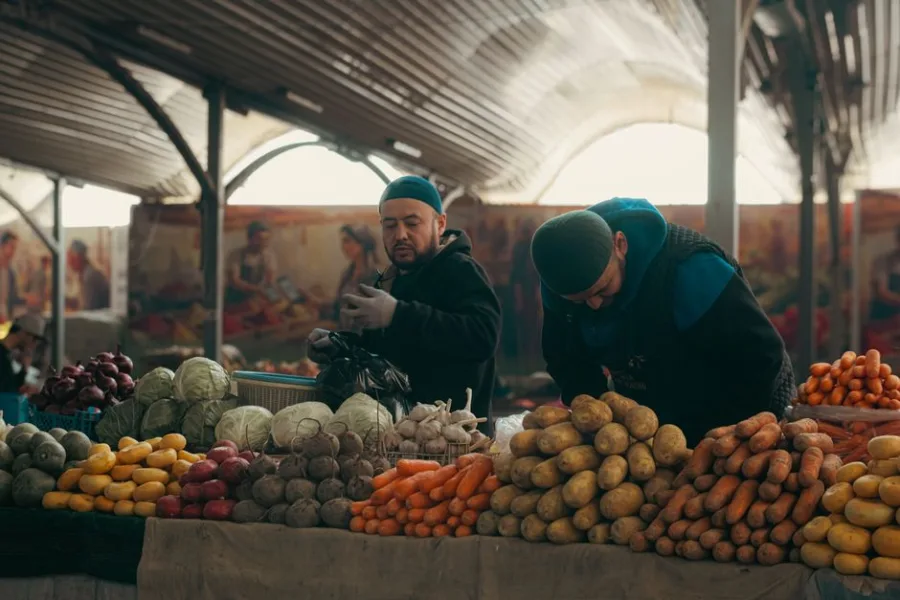
Planting follows a clear, seasonal rhythm that aligns with local market calendars. In early March, gardeners sow lettuce, radishes, and a variety of herbs such as parsley, dill, and mint. By late April, tomato seedlings, cucumbers, and peppers are transplanted into warmed beds. Summer brings the peak of tomato and eggplant harvests, while beans and zucchini provide a steady supply. In September, root crops—carrots, beets, and potatoes—are planted for a late‑autumn yield. This cycle means that home‑grown vegetables often reach the table before store‑bought alternatives, offering fresher flavor and higher nutritional value.
Meals Shaped by Garden Harvests
A typical breakfast in the region may feature sliced tomatoes, crisp cucumbers, and a generous smear of lavash topped with soft cheese. The bright acidity of garden‑grown tomatoes is a hallmark of the morning plate. Lunch often includes a herb‑laden spas (yogurt soup) where fresh dill and mint are torn directly from the garden, giving the broth a fragrant lift. For dinner, stews such as khoravats‑style braised meat are simmered with onions, carrots, and a handful of garden herbs, creating a depth of flavor that cannot be replicated with dried spices. Across all meals, the presence of garden herbs and vegetables defines the taste profile of the household.
Considerations for Visitors
Travelers who stay in Armavir for an extended period may wish to learn about local gardening practices. While some families welcome newcomers to observe or assist in the garden, it is advisable to ask hosts or local contacts for permission before joining a plot or handling seeds. Bringing a small set of basic tools—such as a trowel and pruning shears—can be useful, but these are readily available in local markets. Visitors should also be aware that irrigation schedules are managed by the municipal water service; asking the host for current watering times can help avoid accidental over‑ or under‑watering. The growing season peaks in July and August, so a visit during these months offers the freshest produce at both family tables and nearby markets. Engaging respectfully with a home garden can provide a direct connection to authentic Armenian cuisine.
Community Role of Gardens
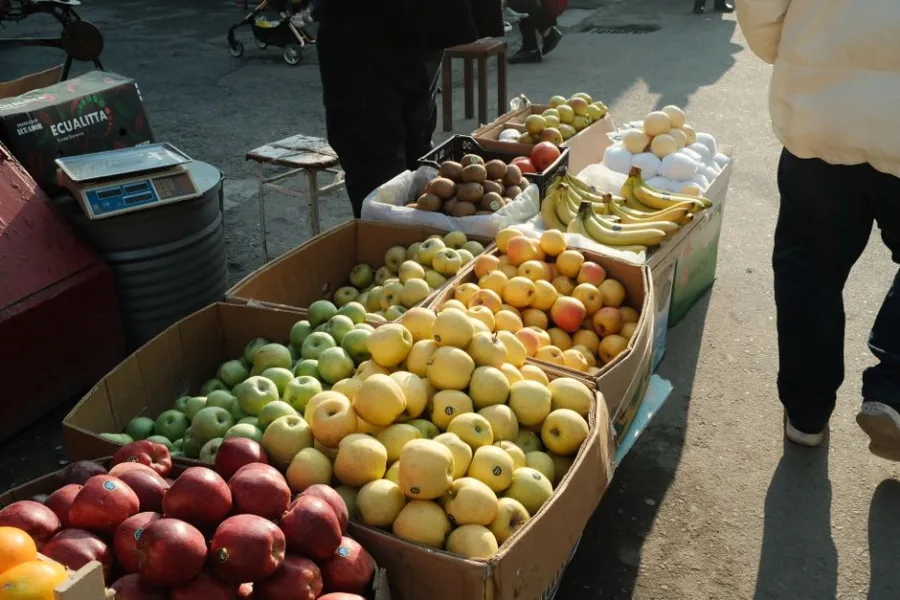
Beyond the kitchen, home gardens serve as informal gathering spots. Neighbors often exchange surplus cucumbers for fresh herbs, and seasonal festivals frequently feature dishes prepared entirely from garden yields. This exchange reinforces a sense of self‑sufficiency and communal resilience, especially during years when national supply chains face disruptions. In Armavir, the garden is not merely a plot of land; it is a cultural anchor that connects daily nourishment with seasonal rhythms and shared stewardship.
Travel information can change. Confirm current entry requirements, opening hours and local guidance with official sources before your trip.


Comments 0
Share a helpful thought or question. Comments appear after review.
Be the first to share a thoughtful comment.
Leave a comment
Your email will not be displayed. Please keep comments relevant and respectful.