
Understanding the Climate
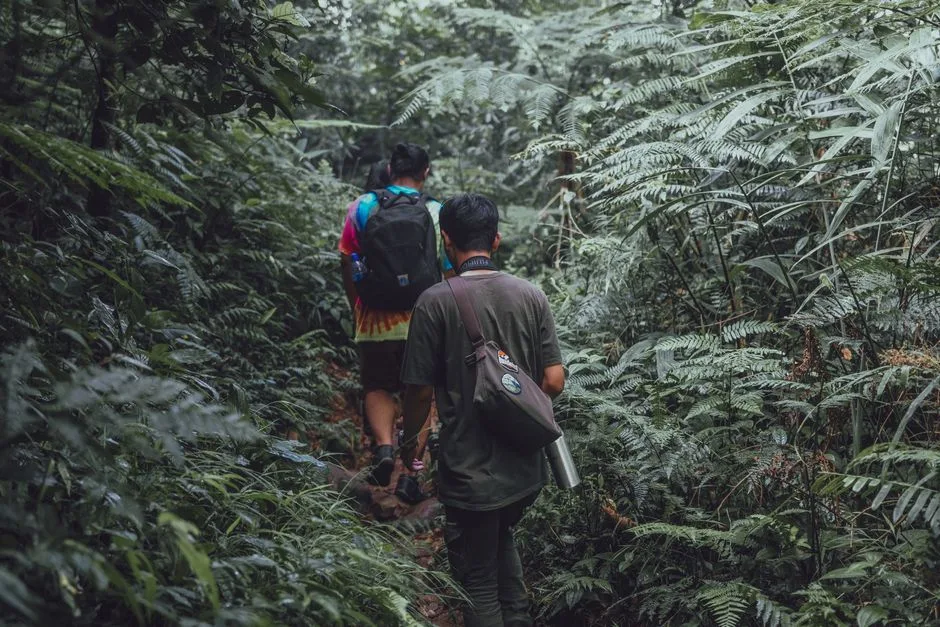
French Guiana lies on the northeastern edge of the Amazon basin and experiences a true equatorial climate. Daily highs typically range from 24 °C to 32 °C, while humidity often exceeds 80 %. The rainy season runs from December through May, bringing daily thunderstorms and occasional flooding of low‑lying trails. From June to November the weather is comparatively drier, but showers can still appear in the late afternoon. Because temperature varies little, the main challenge for hikers is moisture: wet clothing, soggy boots, and the constant need for breathable, quick‑dry layers. Planning a trek for the drier months reduces the risk of trail closures, yet even in the dry season a sudden downpour is common, so waterproof protection is non‑negotiable.
Core Gear for Wet Jungle
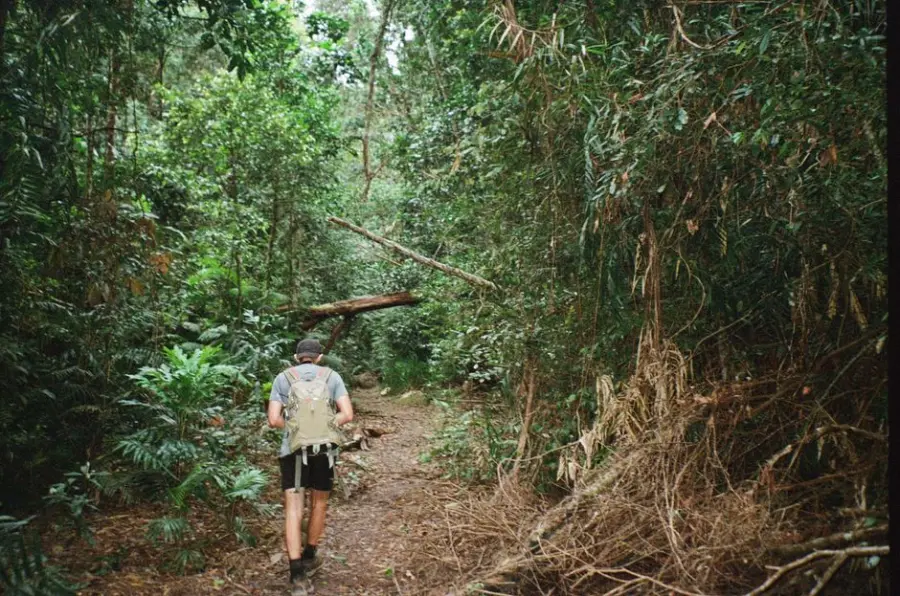
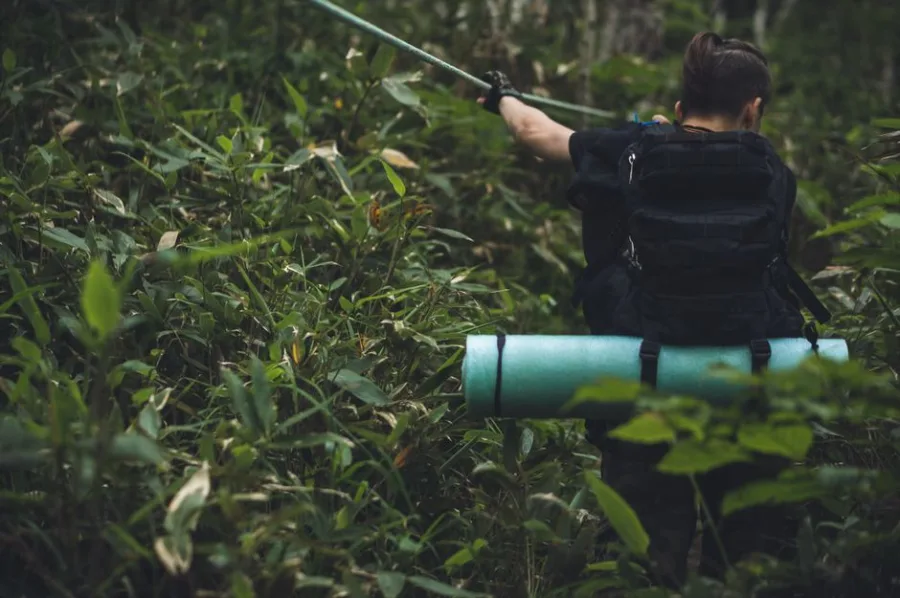
A well‑chosen pack can turn an uncomfortable slog into a manageable adventure. Start with a lightweight, waterproof backpack (at least 30 L) that has a rain cover and a separate dry‑sack compartment for electronics and documents. Clothing should follow the classic “layer‑and‑vent” principle: a moisture‑wicking base layer (synthetic or merino), an insulating mid‑layer for cooler evenings, and a breathable, fully waterproof shell jacket and trousers. Long‑sleeve shirts and long pants protect against both sunburn and insect bites.
Footwear is critical. Choose high‑cut hiking boots with good ankle support, a stiff sole for rocky sections, and a Gore‑Tex or similar membrane to keep feet dry. Pair them with quick‑dry socks (preferably a merino blend) and carry a spare pair in a waterproof bag. A wide‑brimmed hat, UV‑blocking sunglasses, and a buff or neck gaiter add extra sun protection.
Navigation tools must be reliable in dense canopy. A handheld GPS unit with pre‑loaded topographic maps of the Guiana Amazonian Park (Parc amazonien de Guyane) is advisable, but always carry a paper map and a compass as backup. A sturdy trekking pole helps maintain balance on slippery roots and reduces strain on knees during long descents.
Water management cannot be overlooked. Rivers and streams are abundant, but untreated water may contain parasites. Carry a lightweight water‑filter (e.g., hollow‑fiber) or chemical tablets, and bring at least two liters of water for the first day. A collapsible water container (2–3 L) fits easily in the pack and can be refilled at safe points.
Health and Safety Precautions
Mosquitoes and other biting insects are prolific in French Guiana’s rainforest. Apply a DEET‑based repellent (30 % or higher) to exposed skin and treat clothing with permethrin for added protection. A mosquito net treated with insecticide is essential for overnight stays in hammocks or basic shelters.
Heat‑related illness is a real risk. Hydrate frequently, sip small amounts of water every 15–20 minutes, and eat salty snacks to maintain electrolyte balance. If you feel dizzy, nauseous, or excessively fatigued, stop, find shade, and rehydrate before continuing.
A compact first‑aid kit should include adhesive bandages, sterile gauze, antiseptic wipes, blister treatment, antihistamine tablets, and a broad‑spectrum antibiotic ointment. Include a personal medication list and any prescribed antimalarial prophylaxis if you have consulted a medical professional beforehand.
Communication in remote areas is limited. A satellite messenger or personal locator beacon (PLB) provides a reliable SOS signal and can transmit short status messages. Register your itinerary with the local prefecture in Cayenne and share it with a trusted contact before departure.
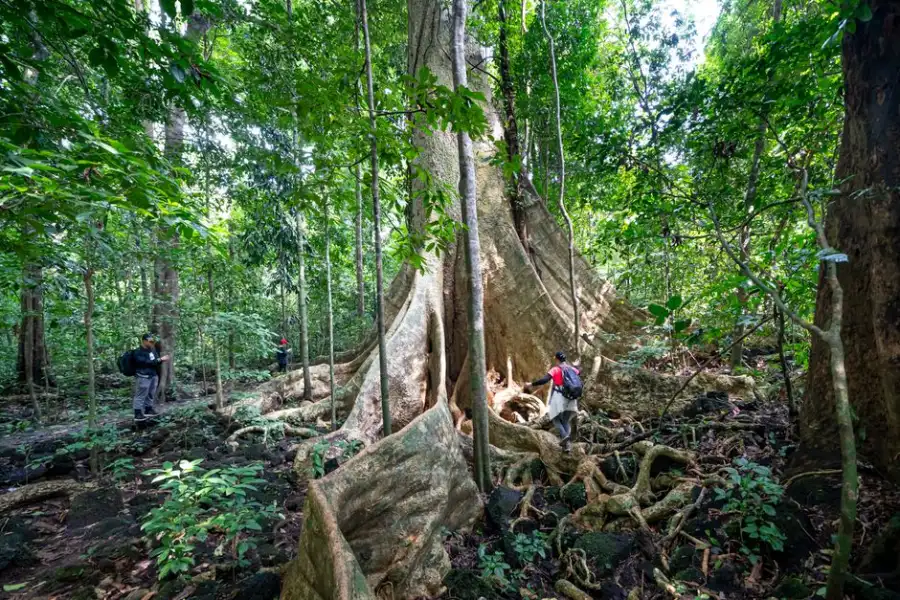
Respectful Navigation and Local Guidance
Most long‑distance routes in French Guiana cross protected areas that require permits. The Guiana Amazonian Park issues authorisations for scientific, educational, or low‑impact tourism activities; contact the park’s administration in Cayenne well in advance to confirm requirements. Hiring a local guide familiar with the terrain, river crossings, and seasonal trail conditions greatly enhances safety and supports the regional economy.
Indigenous communities, particularly the Wayãpi and Teko peoples, inhabit parts of the interior. Respect their territories by staying on marked paths, avoiding sacred sites, and seeking permission before entering villages. Carry a small amount of cash (euros) for possible guide fees or contributions to community projects.
Leave‑no‑trace principles are essential in this pristine environment. Pack out all waste, use biodegradable soap sparingly, and minimise campfire impact by using a portable stove. By preserving the forest’s integrity, you help ensure that future hikers can experience the same extraordinary biodiversity.
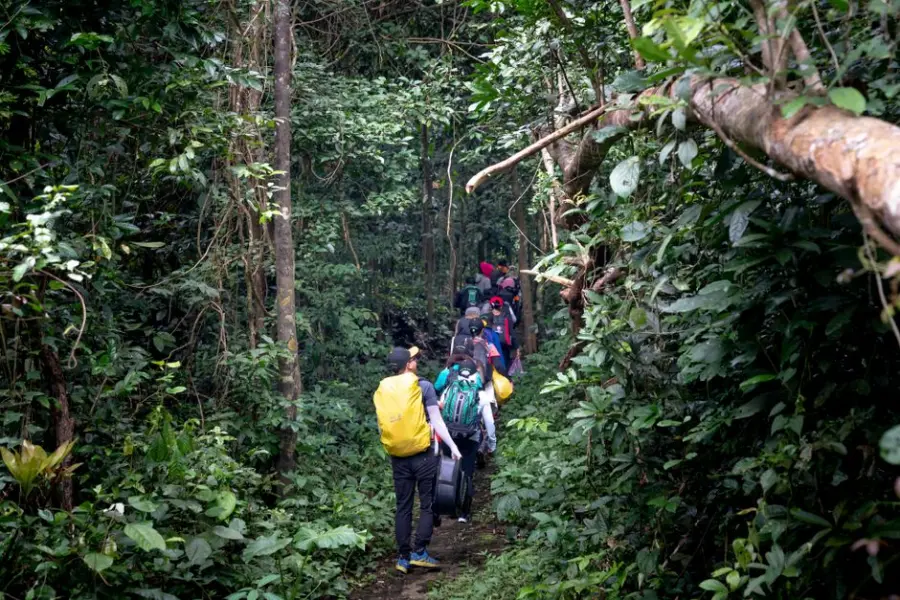
Practical Checklist
- Waterproof backpack with rain cover
- Moisture‑wicking base layers, insulating mid‑layer, breathable rain shell
- High‑cut waterproof hiking boots + spare dry socks
- Wide‑brim hat, UV sunglasses, buff
- GPS, paper map, compass, trekking poles
- Water filter or chemical tablets, 2 L water for day 1
- DEET repellent, permethrin‑treated clothing, insect‑net
- First‑aid kit, personal medications, antimalarial (if prescribed)
- Satellite messenger or PLB
- Permit from Parc amazonien de Guyane, guide contact information
- Cash (euros) for guide fees or community contributions
By respecting the climate, equipping yourself with reliable gear, and following health and cultural guidelines, you can enjoy the remarkable biodiversity of French Guiana’s rainforests while staying safe and comfortable throughout the trek.
Travel information can change. Confirm current entry requirements, opening hours and local guidance with official sources before your trip.

Comments 0
Share a helpful thought or question. Comments appear after review.
Be the first to share a thoughtful comment.
Leave a comment
Your email will not be displayed. Please keep comments relevant and respectful.