Dhaid sits in the heart of Sharjah’s inland oasis belt, roughly 30 km east of the emirate’s coastal capital. The town is best known for its date‑palm groves, historic fort and a market that reflects traditional Emirati commerce. While it lacks the high‑rise skyline of Dubai, Dhaid offers a quiet glimpse of the UAE’s agricultural roots and a convenient base for exploring the surrounding Hajar foothills.
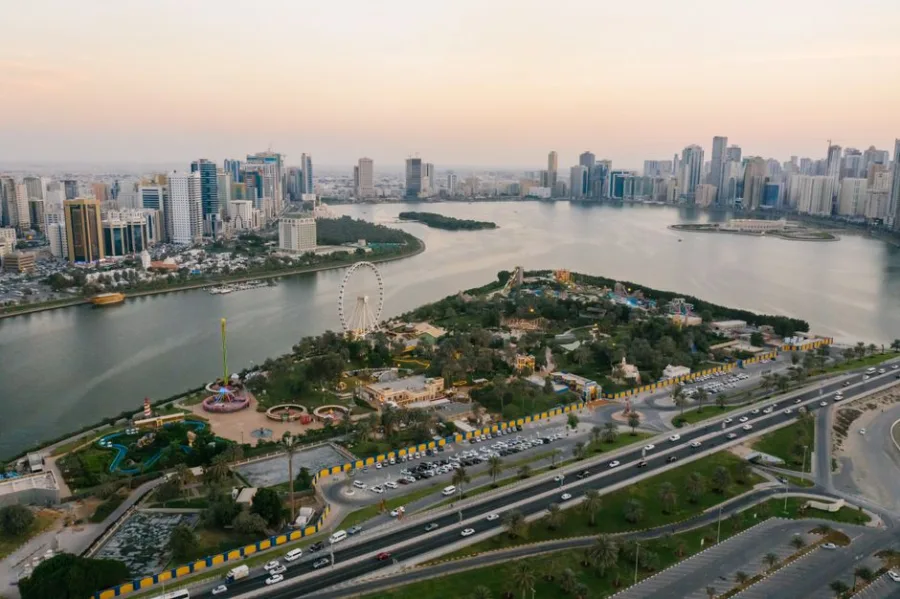
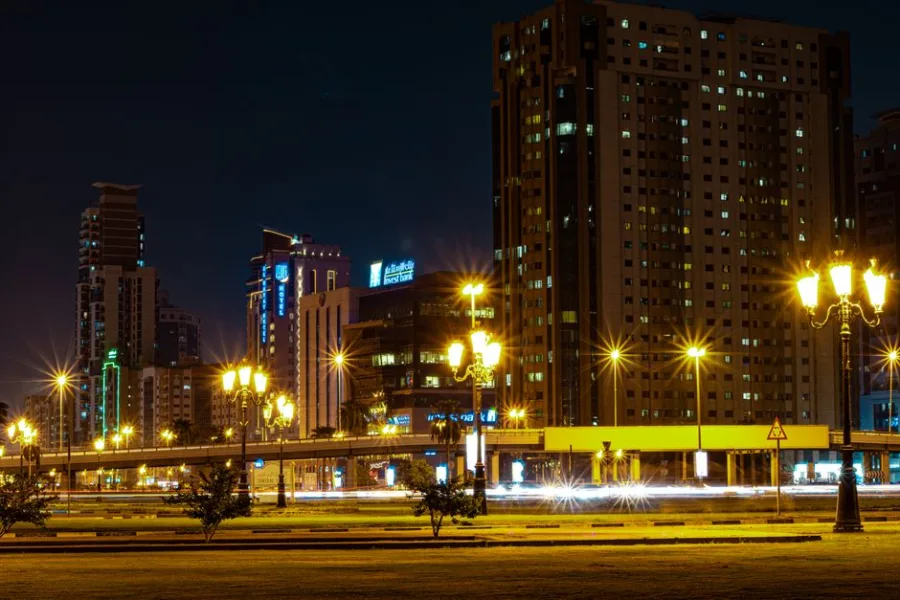
Getting There Travel to Dhaid is most straightforward by road. From Sharjah city, the E44 highway runs eastward and connects directly to the town after about a 30‑minute drive. Taxis and ride‑hailing services operate between Sharjah and Dhaid, though fares can be higher than intra‑city trips. Rental cars provide flexibility, especially if you plan to visit nearby desert sites or the Hajar Mountains. Public bus routes exist but run infrequently, so checking the latest schedule with the Sharjah Roads and Transport Authority is advisable before relying on them.
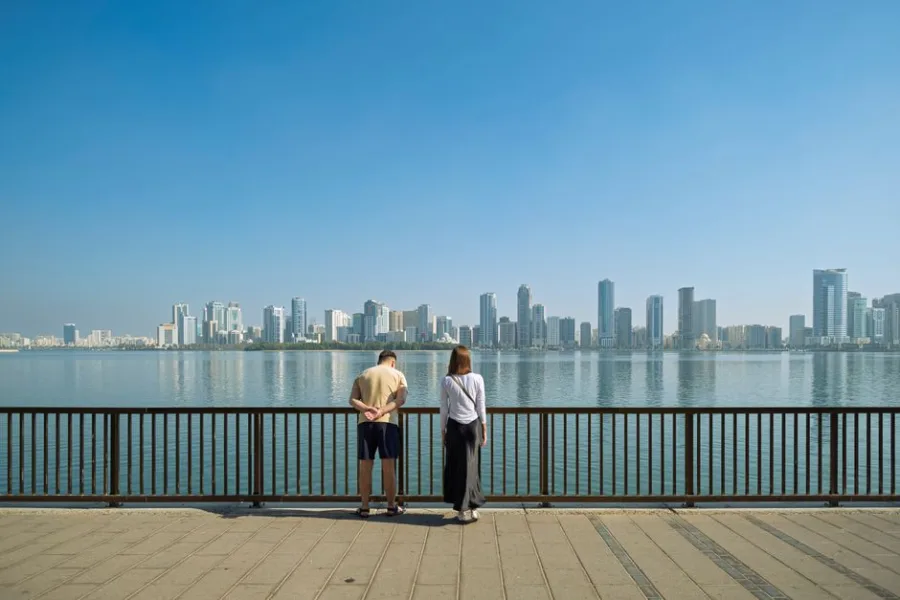
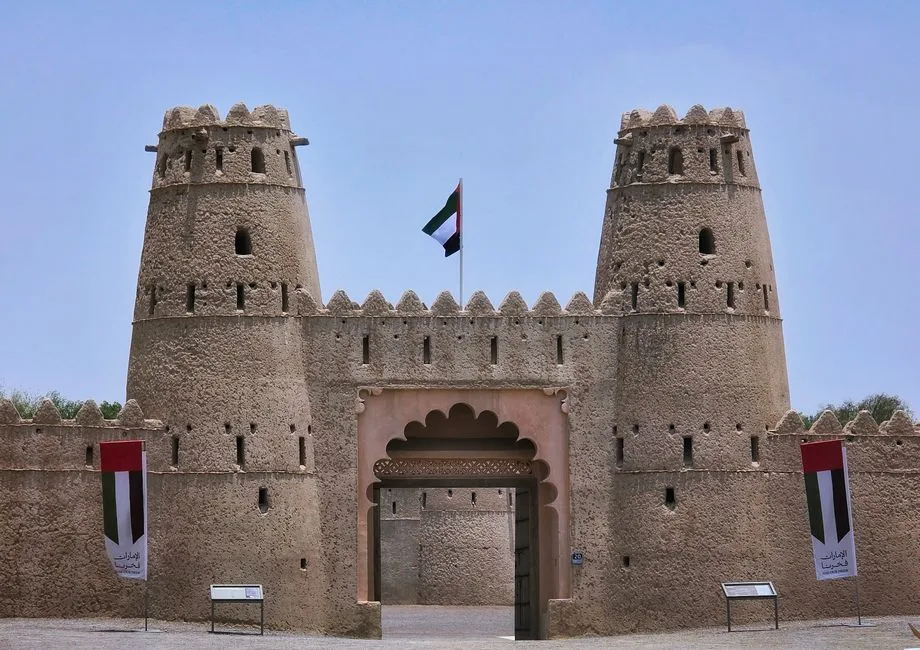
Key Heritage Sites The most recognizable landmark is Dhaid Fort, a restored mud‑brick structure that dates back several centuries. The fort’s modest towers and courtyard give a clear sense of traditional defensive architecture. Adjacent to the fort, the Dhaid Oasis stretches across several hectares, offering shaded walkways among date‑palm plantations that have been cultivated for generations. Visitors can stroll the palm groves, observe irrigation channels, and learn about the region’s water‑management practices at the small on‑site information centre.
A short walk from the oasis lies the Dhaid Heritage Village, a collection of restored houses that illustrate everyday life in the emirate before the oil boom. The village showcases traditional crafts such as pottery, weaving and metalwork, and local volunteers sometimes demonstrate these skills. The Dhaid Market, located near the main road, operates daily and provides a lively setting to purchase fresh produce, spices, and handcrafted items. While the market is not a tourist attraction in the conventional sense, its authentic atmosphere makes it worth a brief visit.
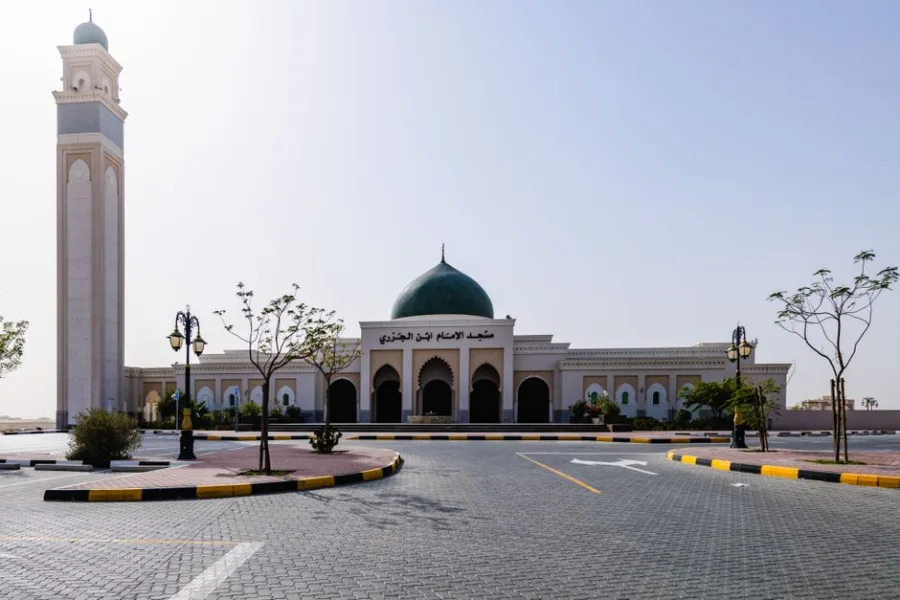
Practical Visitor Tips The climate in Dhaid is desert‑type, with scorching summers and mild winters. The most comfortable visiting window runs from November through March, when daytime temperatures hover between 20 °C and 30 °C. Regardless of season, carry ample water, wear a wide‑brimmed hat and apply sunscreen, as shade can be limited outside the oasis.
Dress modestly in public spaces: long trousers or skirts and shirts with sleeves are recommended, especially when entering mosques or government buildings. Arabic is the official language, but English is widely understood in shops and among service staff. During Ramadan, many restaurants may close during daylight hours, so plan meals accordingly or seek out hotels that continue to serve food. Respect local customs by avoiding public displays of affection and by observing silence when entering prayer areas.
Where to Stay and Eat Accommodation options within Dhaid are limited to a few small hotels and guesthouses. These establishments typically offer basic rooms, free Wi‑Fi and parking. For a broader selection, many travelers choose to stay in Sharjah city and make a day trip to Dhaid, taking advantage of the city’s larger hotel inventory and dining scene.
Local cuisine reflects the emirate’s agricultural heritage. Expect dishes featuring fresh dates, grilled fish, and rice pilaf seasoned with saffron and cardamom. Small eateries near the market serve simple breakfasts of balaleet (sweet vermicelli) and karak tea, while larger restaurants in Sharjah provide a wider range of Emirati and Levantine options. When dining, it is courteous to wait for the host to begin eating and to use the right hand for handling food.
By keeping these practical considerations in mind, a visit to Dhaid can be both comfortable and enriching, offering a rare chance to experience the quieter, agrarian side of the United Arab Emirates.
Travel information can change. Confirm current entry requirements, opening hours and local guidance with official sources before your trip.