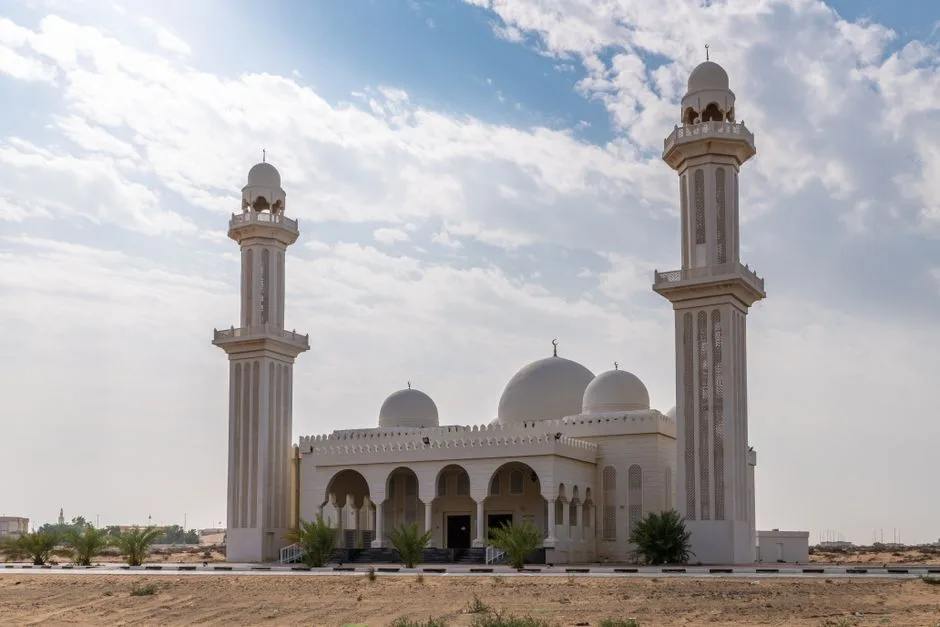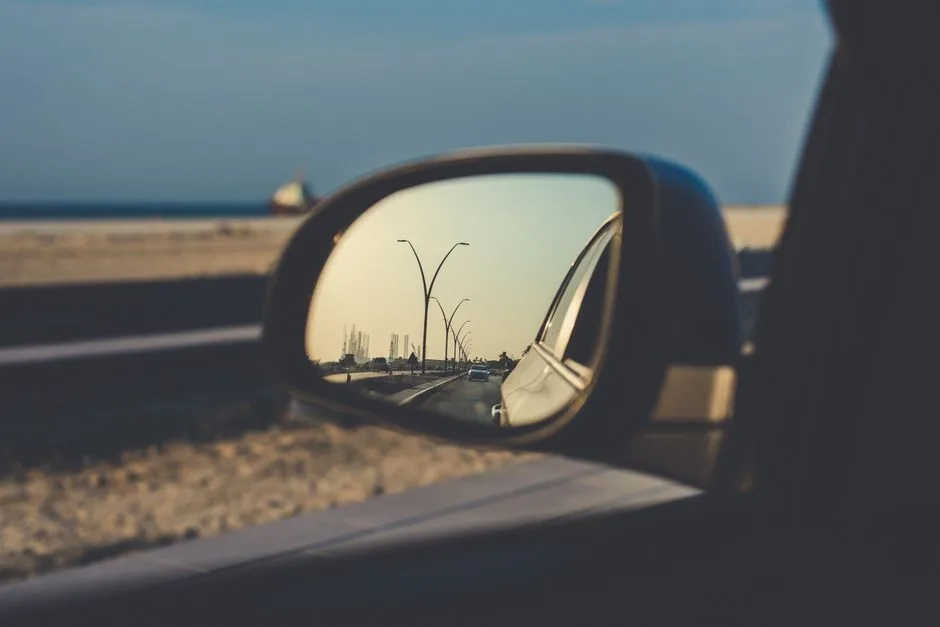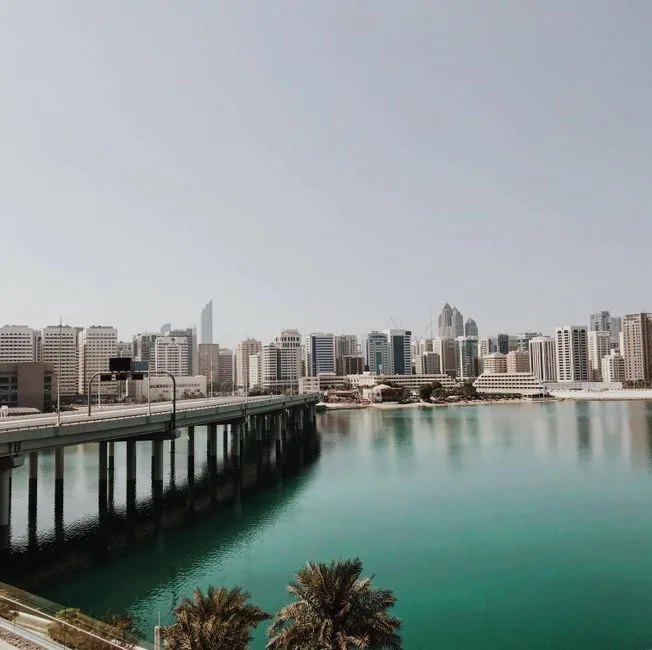
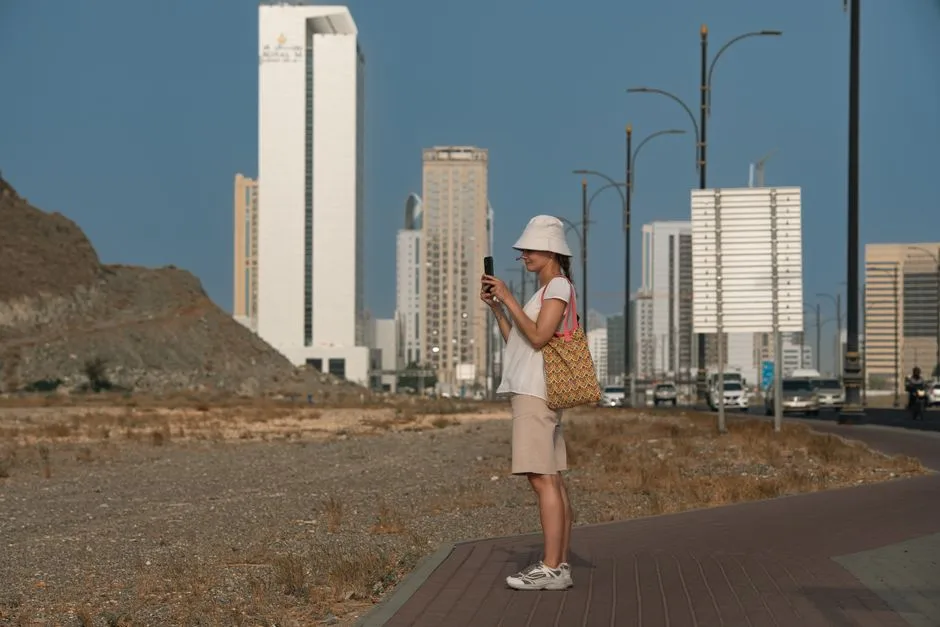
Travelers heading to Dibba Al Fujairah Municipality will find a blend of coastal charm and mountain backdrop, set within the Emirate of Fujairah. The area is administratively distinct from the Dibba districts of Sharjah and the Omani enclave, and it functions under the Fujairah government. Understanding the practical aspects of getting there, where to stay, climate considerations, and local services can make a visit smooth and enjoyable.

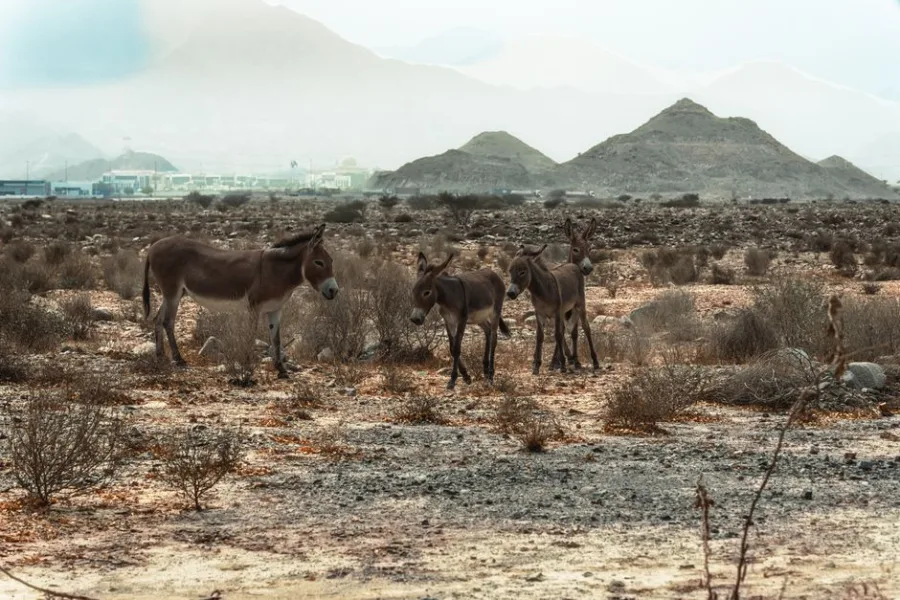
Getting There The nearest commercial airport is Dubai International Airport, which receives a wide range of international flights. From Dubai, the most reliable option is to rent a car or hire a private driver and travel north along the E99 coastal highway. The drive to Dibba Al Fujairah takes roughly two and a half hours, with clear signage for the Fujairah‑Dibba turn‑off. Fujairah International Airport also serves limited regional flights; if you arrive there, the same highway connects directly to the municipality.
Public transport options are limited. Emirates Express and local bus services run sporadically between Fujairah City and Dibba, but schedules are not frequent enough for most tourists. Taxis are available in Fujairah and can be booked for the longer leg, though they are more expensive than a self‑drive arrangement. For visitors comfortable with driving, a UAE driving licence or an International Driving Permit is required, and the roads are well‑maintained with clear markings.
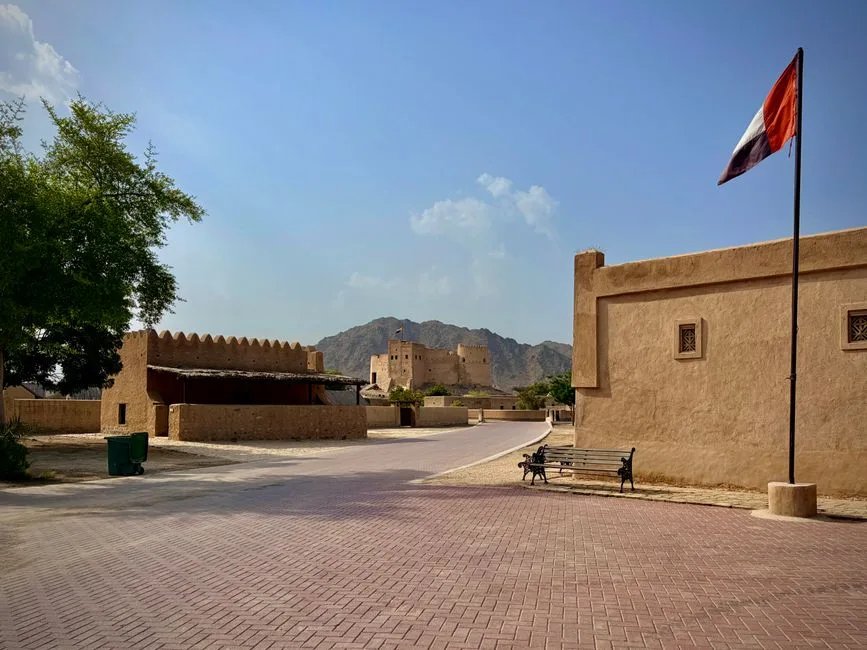
Where to Stay Accommodation in Dibba Al Fujairah ranges from modest guesthouses to mid‑scale hotels near the waterfront. Many properties are family‑run and offer basic amenities such as air‑conditioned rooms, Wi‑Fi, and on‑site dining. For travelers seeking a broader selection, the nearby town of Khorfakkan, about 30 km south, provides additional hotel options, including resorts with beach access.
When booking, verify that the property is registered with the Fujairah tourism authority, as this ensures compliance with local safety standards. It is advisable to confirm the availability of parking if you are travelling by car, and to ask about the provision of a refrigerator for storing water and medication, especially during the hotter months.
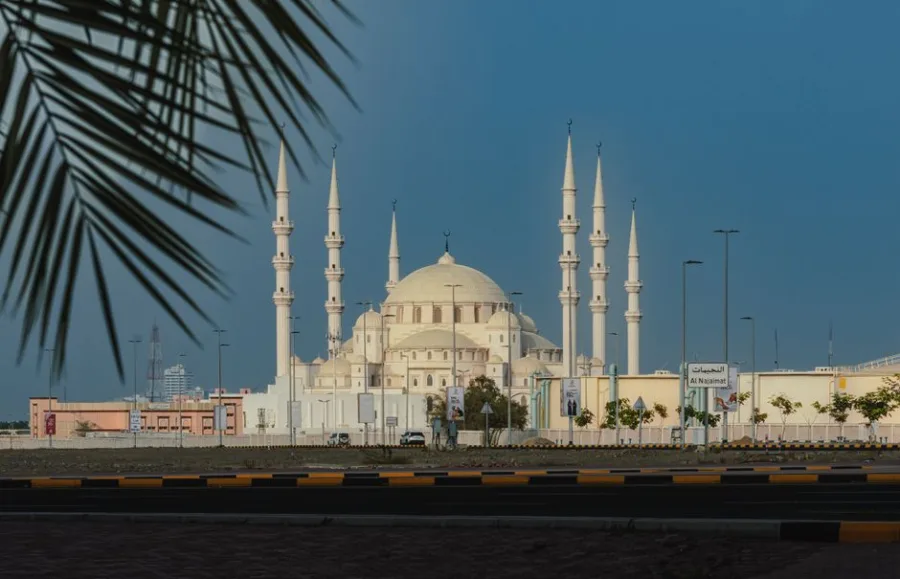
Climate and Best Travel Times Dibba Al Fujairah experiences a hot desert climate. Summer temperatures (June to September) regularly exceed 40 °C, and humidity rises due to the proximity of the Gulf of Oman. Winter months (November to March) are milder, with daytime highs between 24 °C and 30 °C and cooler evenings. Rainfall is scarce but can occur between December and February.
The most comfortable period for outdoor activities, such as beach visits or short hikes in the Hajar foothills, is from October to April. During this window the sea is calm enough for swimming and snorkeling, and the weather is pleasant for exploring the town’s market and port areas. Travelers should carry sun protection year‑round, as UV levels remain high even in winter.

Essential Services and Practical Tips Dibba Al Fujairah is equipped with essential public services. A government health centre provides basic medical care; for more specialized treatment, the Fujairah Hospital in the emirate’s capital is reachable by car within an hour. Banking facilities include branches of major UAE banks, and ATMs are widely available in the town centre. Supermarkets stock staple foods, bottled water, and household items; however, it is wise to bring a modest supply of any specific medication or personal care products you may need.
Mobile network coverage is strong, with 4G service from the main UAE providers. Internet access in hotels and cafés is generally reliable, but bandwidth may be limited during peak tourist periods. Cash remains useful for small vendors and taxi fares, although credit cards are accepted in most hotels and larger shops.
Cultural etiquette should be observed. Dress modestly in public spaces, especially when visiting mosques or government buildings. During the holy month of Ramadan, refrain from eating, drinking, or smoking in public during daylight hours out of respect for local customs. Tipping is customary but not obligatory; a modest amount for restaurant service and taxi rides is appreciated.
Safety considerations include checking sea conditions before swimming, as currents can be strong. If you plan to explore the nearby mountains, arrange a local guide and ensure you have adequate water, sun protection, and a reliable vehicle. Road safety follows UAE regulations: speed limits are enforced, seat‑belt use is mandatory, and using a mobile phone while driving is prohibited unless hands‑free.
By addressing transport logistics, accommodation choices, climate expectations, and the availability of essential services, travelers can approach Dibba Al Fujairah Municipality with confidence. Careful preparation respects both the practicalities of the region and the cultural context, allowing you to enjoy the serene coastline and the foothills of the Hajar range without unnecessary hassle.
Travel information can change. Confirm current entry requirements, opening hours and local guidance with official sources before your trip.