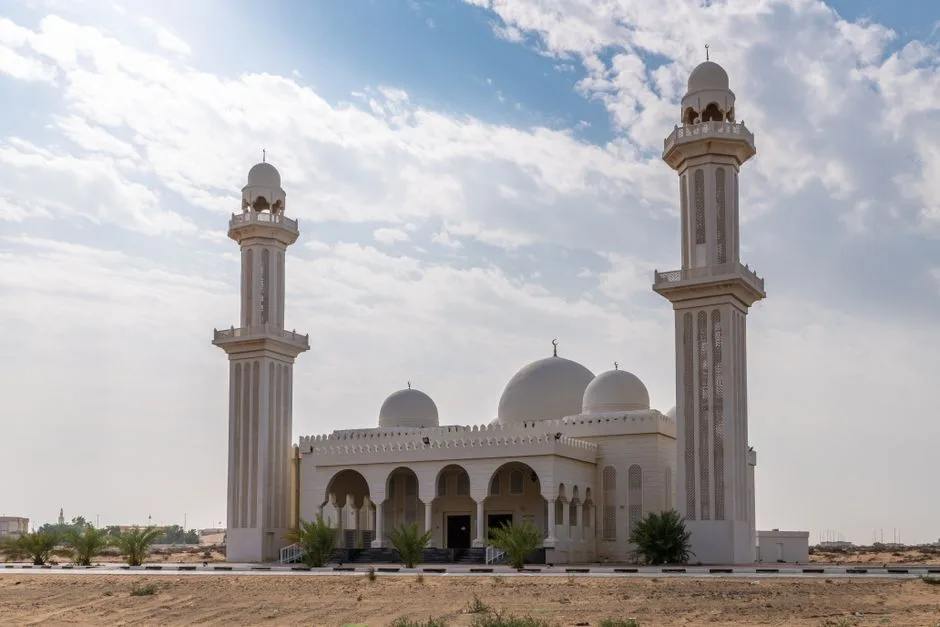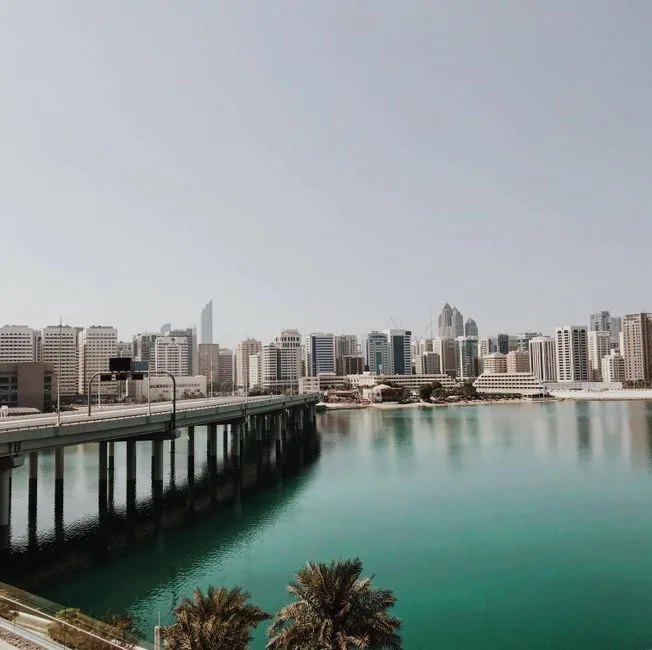

Ajman, the smallest of the seven emirates, offers a relaxed coastal atmosphere that contrasts with the high‑rise bustle of its neighbours. Its compact size makes it easy to navigate, yet it still provides a distinct sense of Emirati heritage and modern convenience. This guide outlines the most reliable information for travelers who want to experience Ajman without relying on uncertain details.
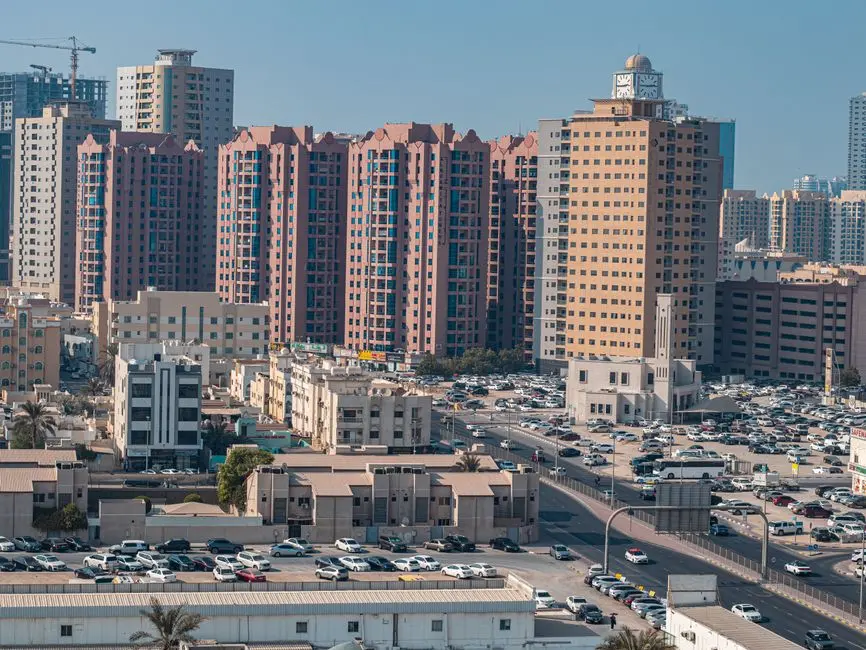
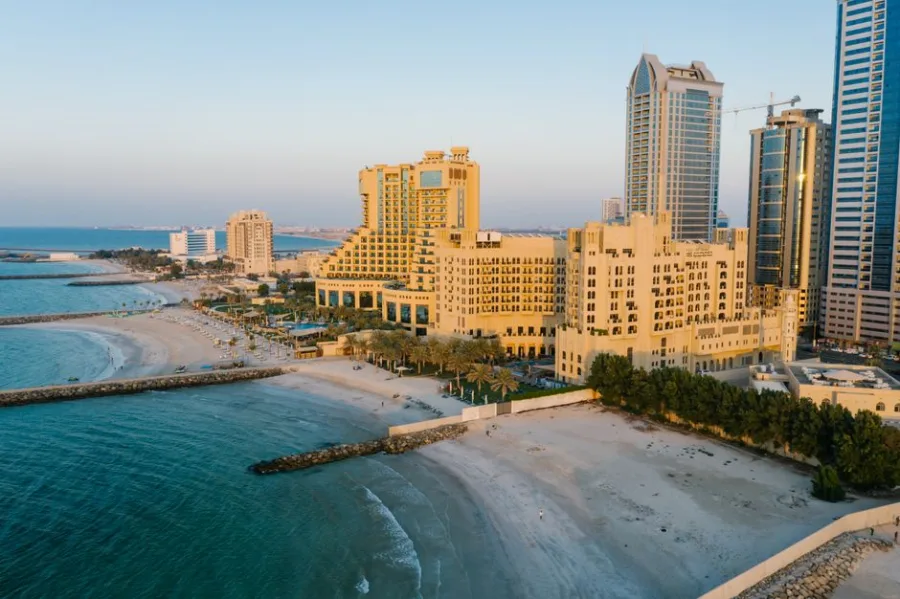
Getting There and Getting Around Ajman shares a border with Sharjah and Dubai, and the three emirates are linked by a well‑maintained road network. Most international visitors arrive via Dubai International Airport (DXB) or Sharjah International Airport (SHJ) and then travel to Ajman by taxi, rideshare, or private car. The drive from Dubai to Ajman typically takes 30 to 45 minutes, depending on traffic, while the route from Sharjah is shorter, often under 20 minutes.
Public transport within Ajman is limited to a handful of bus routes operated by the Roads and Transport Authority (RTA) of Sharjah, which extend into the city centre and nearby neighborhoods. For greater flexibility, many travelers rent a car or use app‑based ride services that operate throughout the emirate. Driving is straightforward; road signs are in Arabic and English, and speed limits are clearly posted.
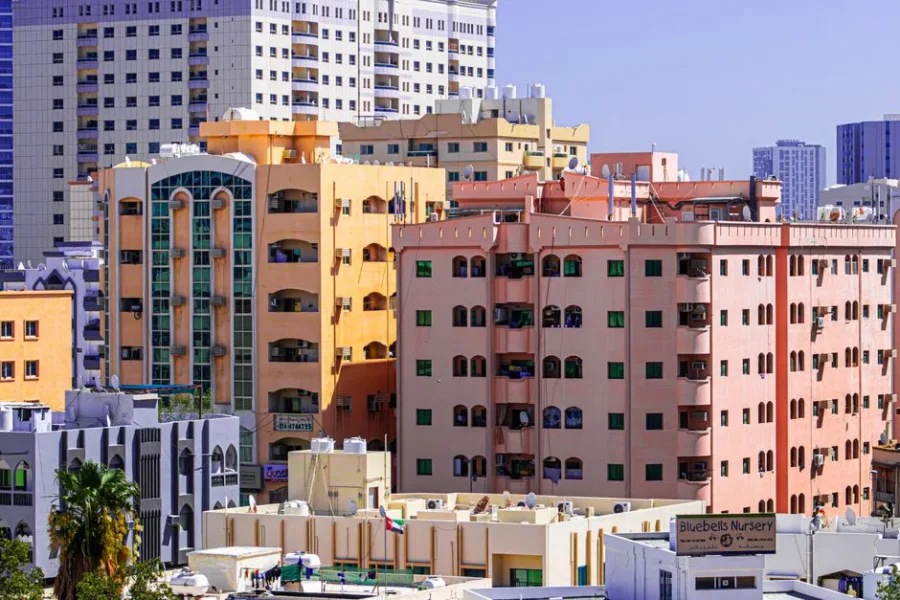
Where to Stay Accommodation options in Ajman range from modest budget hotels to mid‑range resorts along the beachfront. The city’s central district offers easy access to the main market (Souk Al Ajman) and the historic Ajman Museum, while the coastal strip provides sea‑view rooms and direct beach access. When choosing a hotel, consider proximity to the road network if you plan to explore neighboring emirates, as well as the availability of on‑site dining or kitchen facilities if you prefer self‑catering.
Many hotels provide complimentary Wi‑Fi, which is useful for navigation and staying in touch with family. Check whether the property offers shuttle services to major transport hubs; this can simplify transfers from the airport, especially if you are traveling with luggage.
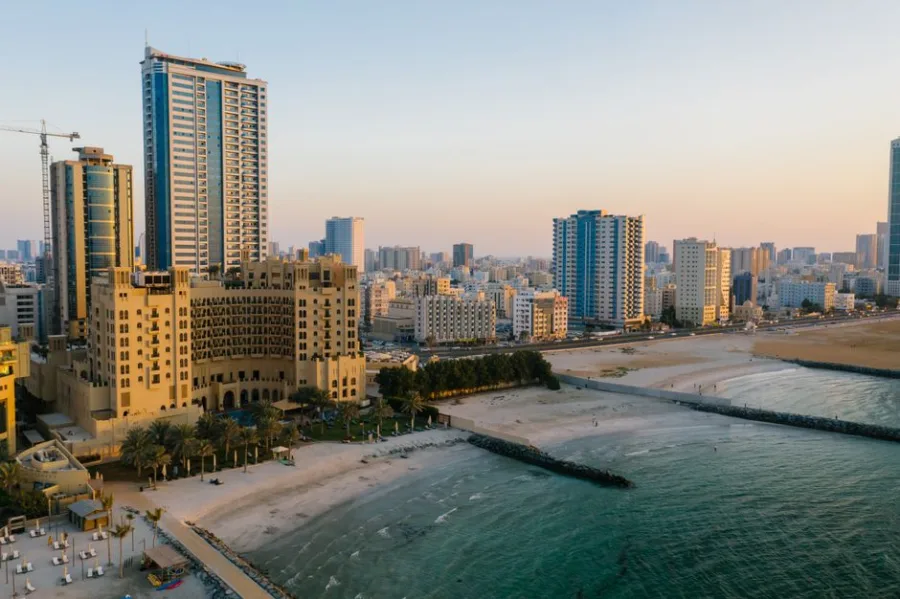
What to Do and Eat Ajman's attractions are modest but authentic. The Ajman Museum, housed in an 18th‑century fort, offers insight into the emirate’s maritime heritage and traditional crafts. The nearby Al Zorah Nature Reserve presents mangrove walks and bird‑watching opportunities, ideal for nature‑oriented visitors.
The city’s public beach stretches for several kilometres and is popular for swimming, jogging, and sunset views. While the beach is free to access, be mindful of local customs regarding swimwear; modest attire is expected outside designated swimming areas.
Dining in Ajman reflects the broader Emirati palate. Local restaurants serve dishes such as machboos (spiced rice with meat or fish), harees (slow‑cooked wheat and meat), and fresh seafood caught from the Arabian Gulf. For a quick bite, the souk area offers shawarma stalls and bakeries where you can sample fresh flatbreads and pastries. When dining, remember that alcohol is generally limited to licensed hotels and designated venues.
Practical Tips for a Smooth Visit - Currency and Payments: The United Arab Emirates dirham (AED) is the official currency. Credit and debit cards are widely accepted in hotels, restaurants, and larger shops. Small cash amounts are useful for market purchases and taxi fares. - Language: Arabic is the official language, but English is commonly used in tourism, signage, and business. Learning a few basic Arabic greetings can be appreciated by locals. - Cultural Sensitivity: Ajman observes the same cultural norms as the rest of the UAE. Dress modestly in public spaces, avoid public displays of affection, and respect prayer times, especially in the vicinity of mosques. - Climate Considerations: The emirate experiences a hot desert climate, with peak temperatures in summer often exceeding 40 °C (104 °F). The most comfortable visiting period is between November and March, when temperatures are milder. Carry sunscreen, a hat, and stay hydrated regardless of the season. - Connectivity: Mobile coverage is excellent, and local SIM cards can be purchased at the airport or authorized retailers. They provide affordable data plans for navigation and communication. - Safety: Ajman is considered safe for tourists, with low crime rates. Standard precautions—such as securing valuables and being aware of traffic—are advisable. - Time Zone: The emirate follows Gulf Standard Time (UTC+4) year‑round, with no daylight‑saving adjustments.
By focusing on reliable transport options, sensible accommodation choices, and respectful engagement with local customs, travelers can enjoy a relaxed and authentic experience in Ajman. The emirate’s modest size makes it an ideal base for exploring the wider northern UAE while offering its own quiet coastal charm.
Travel information can change. Confirm current entry requirements, opening hours and local guidance with official sources before your trip.