
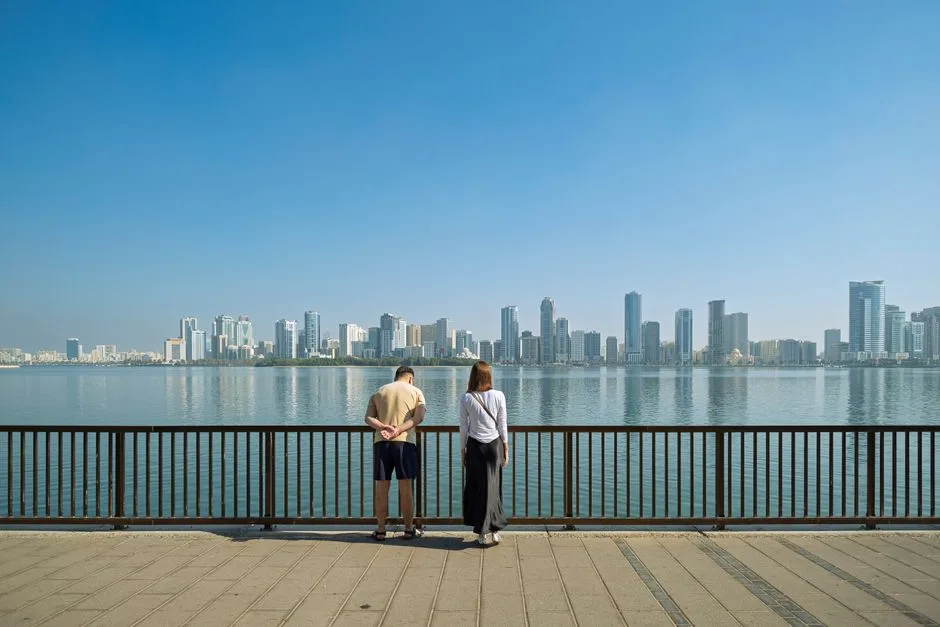
Al Hamriyah is a coastal district in the Emirate of Sharjah, situated on the Gulf of Oman just north of Dubai. The area is best known for its free‑zone and port facilities, and it forms part of a larger industrial corridor that links Sharjah with the neighbouring emirates. While it is not a traditional tourist hub, its proximity to major attractions in Sharjah and Dubai makes it a practical stop for business travelers and visitors who appreciate a quieter, more functional environment.
Getting There and Around
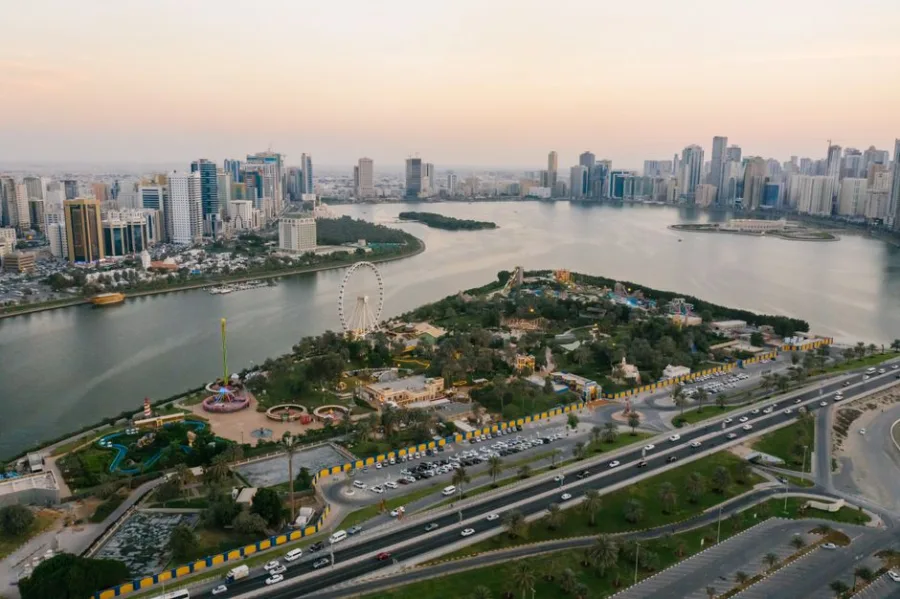
The nearest international gateway is Sharjah International Airport, located about 20 km inland. From the airport, the most reliable option is a taxi or a rides‑hailing service, both of which are widely available and priced by the kilometre. Al Hamriyah is also easily reached via the E11 highway (the Sheikh Zayed Road corridor) which runs parallel to the coast and connects Dubai, Sharjah and Abu Dhabi. For those preferring public transport, the Sharjah Roads and Transport Authority operates bus routes that pass near the free‑zone, though service frequency is lower than in the city centre. Renting a car offers the greatest flexibility, especially if you plan to visit nearby beaches or industrial sites that are not served by regular buses.
Where to Stay
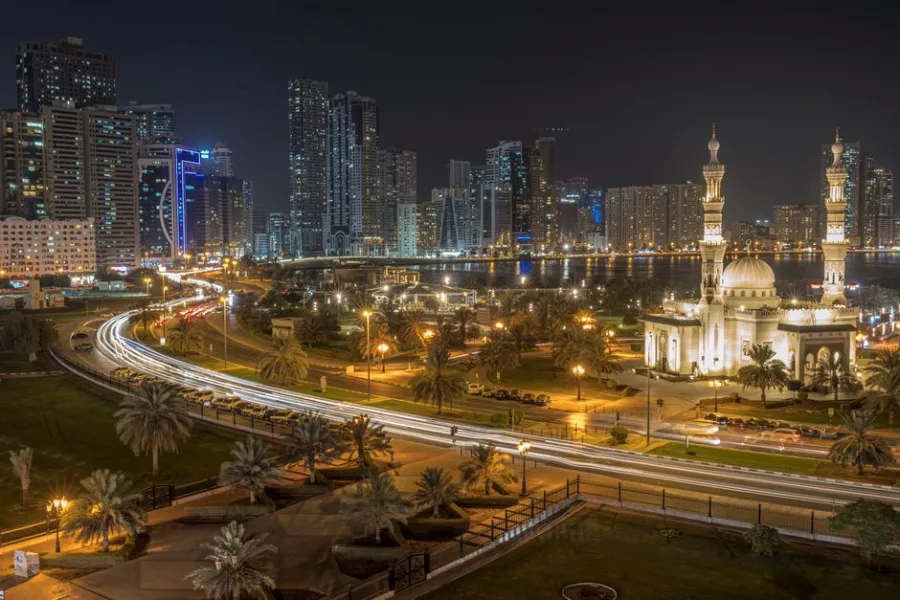
Accommodation within Al Hamriyah itself is limited to a few serviced apartments and business‑oriented hotels that cater primarily to expatriate workers and visiting professionals. Most travelers find it more convenient to stay in Sharjah’s central districts, such as Al Majaz or Al Qasba, where a broader range of hotels, restaurants and leisure facilities are available. An alternative is to base yourself in Dubai, where the hotel market is larger and then commute across the border; the drive is typically 30‑40 minutes depending on traffic. Whichever location you choose, ensure that your lodging offers reliable Wi‑Fi and easy access to a major road network for a smooth daily commute.
What to Expect in Al Hamriyah
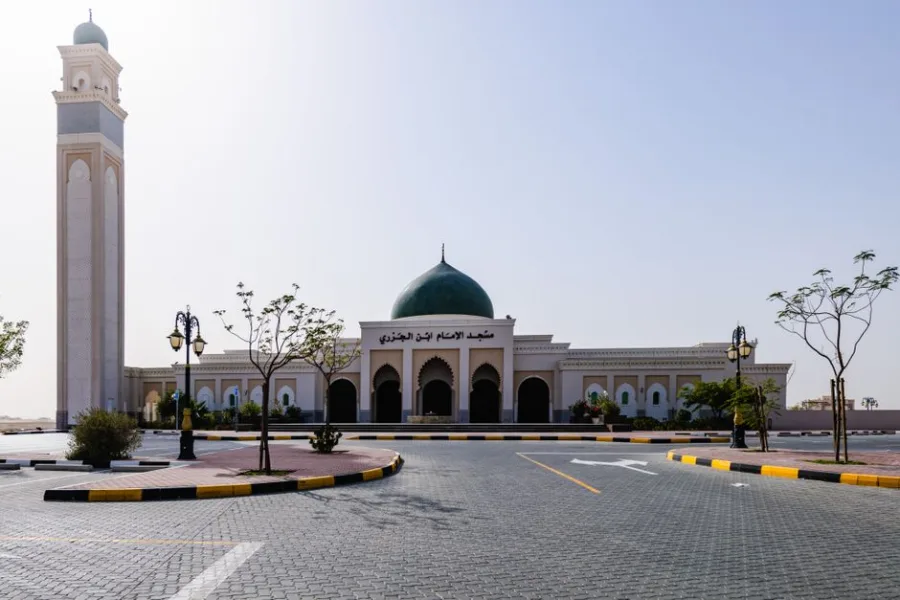
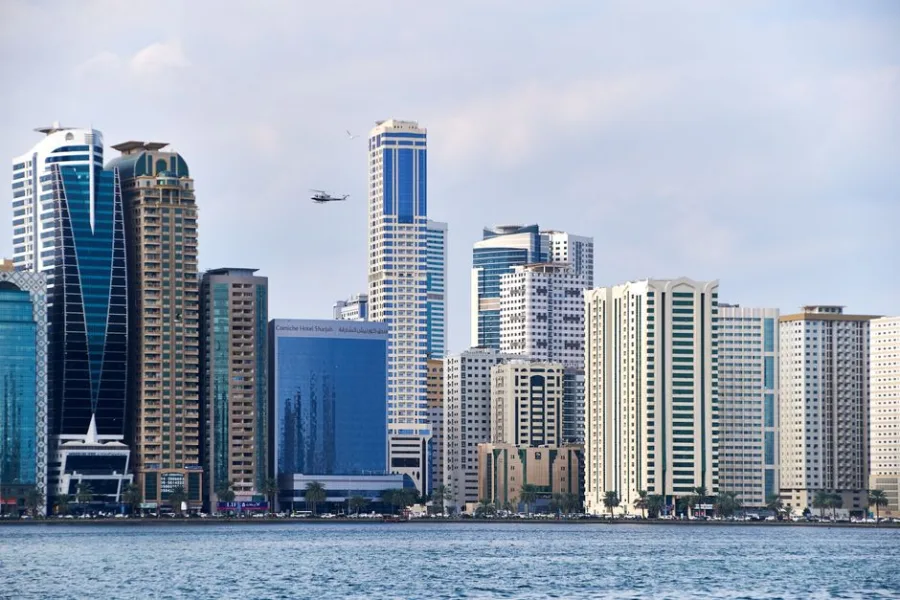
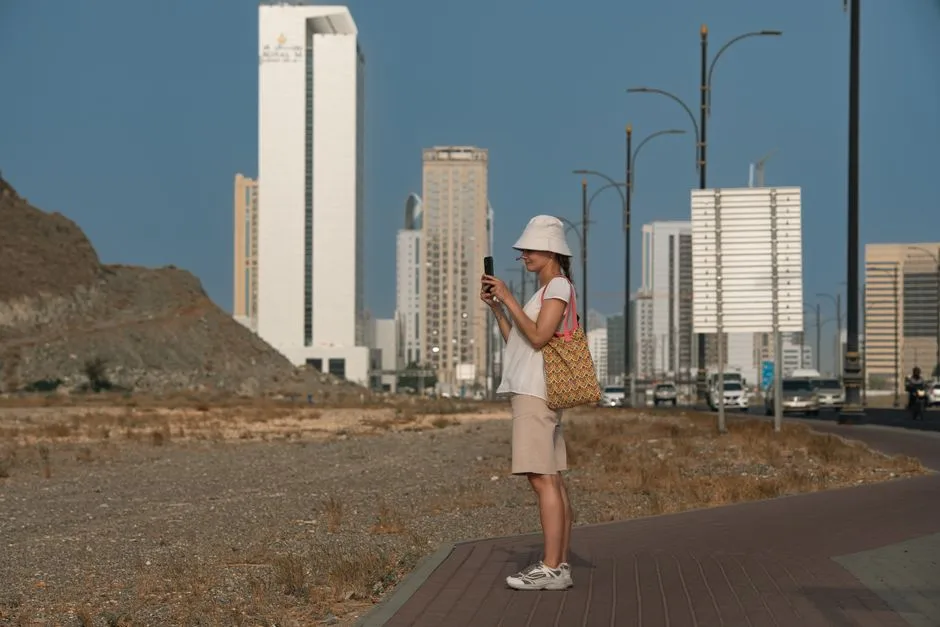
The character of Al Hamriyah is distinctly industrial. The Al Hamriyah Free Zone hosts a variety of manufacturing, logistics and maritime companies, and the Al Hamriyah Port handles a significant volume of cargo traffic. As a result, the streets are lined with warehouses, container yards and office complexes rather than cafés or souvenir shops. Visitors seeking leisure activities will need to travel a short distance to Sharjah’s cultural sites, such as the Sharjah Museum of Islamic Civilization, or to the public beaches along the emirate’s coastline. The district’s coastal frontage does include a modest public beach area, but facilities are basic and the water quality can vary with shipping activity.
Practical Tips for a Smooth Visit
The climate is hot and arid, with summer temperatures frequently exceeding 40 °C (104 °F). The most comfortable months for travel are between November and March, when daytime highs drop to the mid‑20s °C (mid‑70s °F). Dress modestly in public spaces: lightweight, long‑sleeved shirts and trousers for men, and clothing that covers the shoulders and knees for women. Arabic is the official language, though English is widely understood in business settings and among service staff. The UAE dirham (AED) is the currency; credit cards are accepted almost everywhere, but carrying a small amount of cash can be useful for local markets. SIM cards and mobile data plans are inexpensive and can be purchased at the airport or major retail outlets. Electrical outlets use the British‑style Type G plug, so bring an appropriate adapter if needed. Safety is generally high, but standard precautions—such as securing valuables and respecting local customs—remain advisable. Finally, be aware that customs regulations prohibit the import of certain items, including alcohol and pork products, without proper documentation.
Travel information can change. Confirm current entry requirements, opening hours and local guidance with official sources before your trip.

Comments 0
Share a helpful thought or question. Comments appear after review.
Be the first to share a thoughtful comment.
Leave a comment
Your email will not be displayed. Please keep comments relevant and respectful.