
The Seasonal Flood Cycle
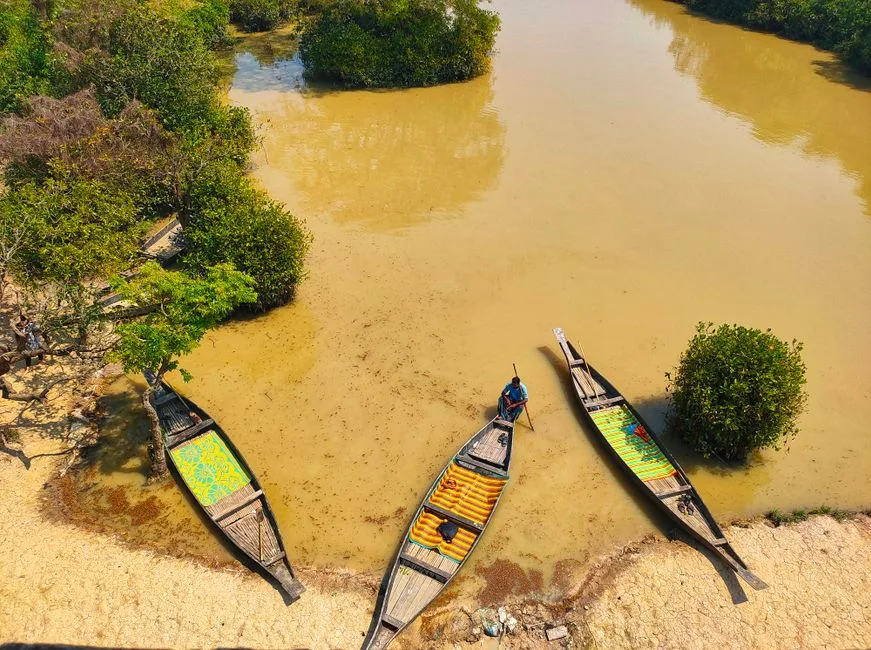
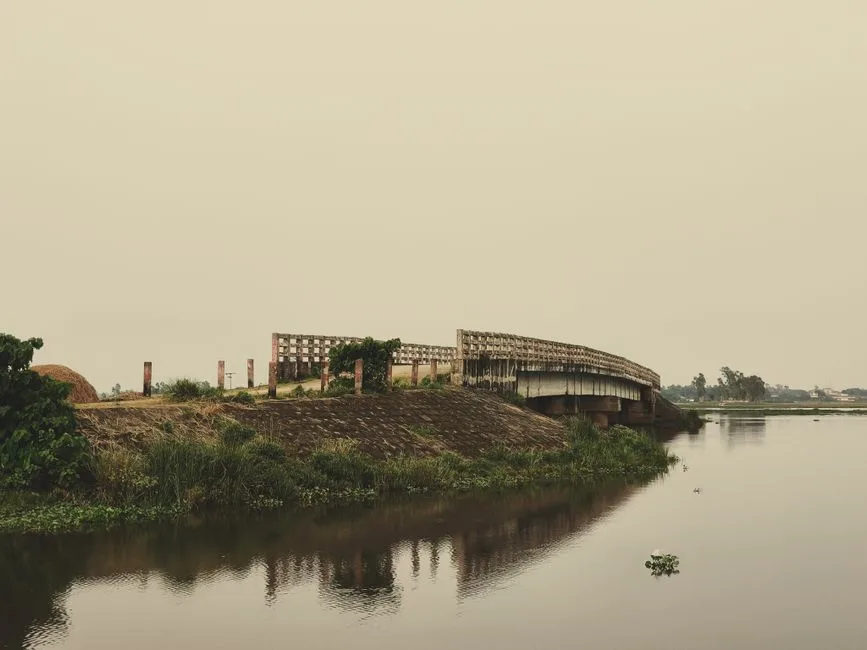
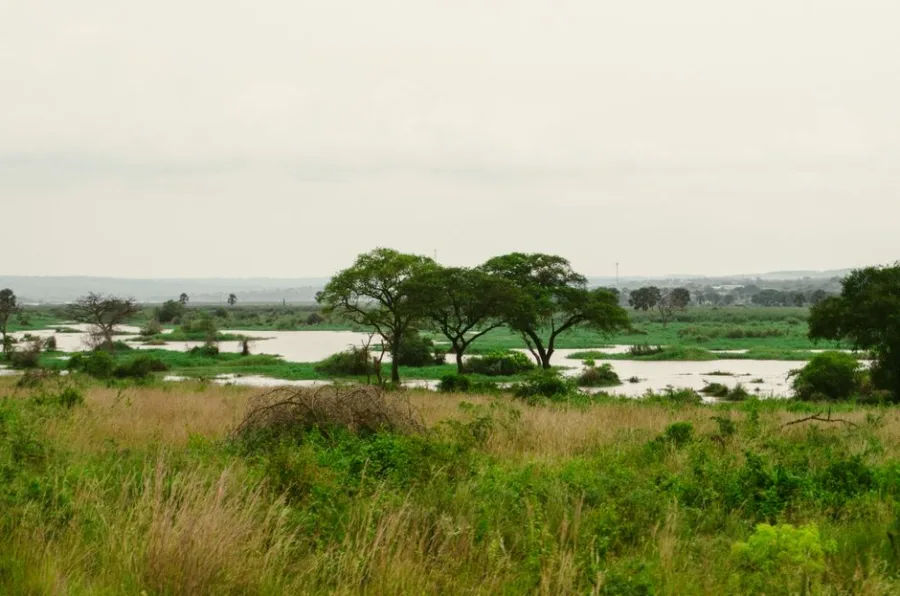
The commune of Ouinhi lies on the lower reaches of the Ouémé River, which swells each year during the West African rainy season. From May through October, sustained rains raise the river level and overflow its banks, creating a predictable but disruptive floodplain. The water can linger for several weeks, receding only when the rains ease and the river returns to its normal channel. Residents have learned to read the river’s rise and to anticipate the timing of the peak flood.
Impacts on Household Life
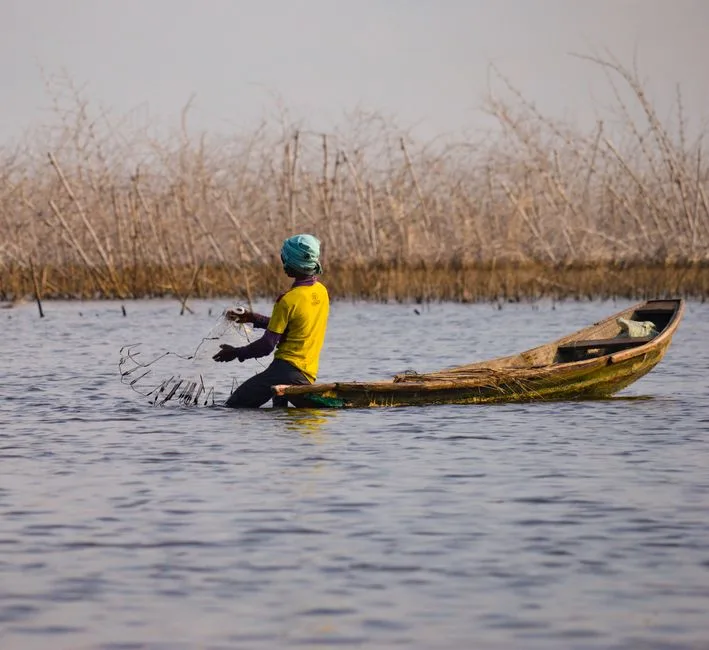
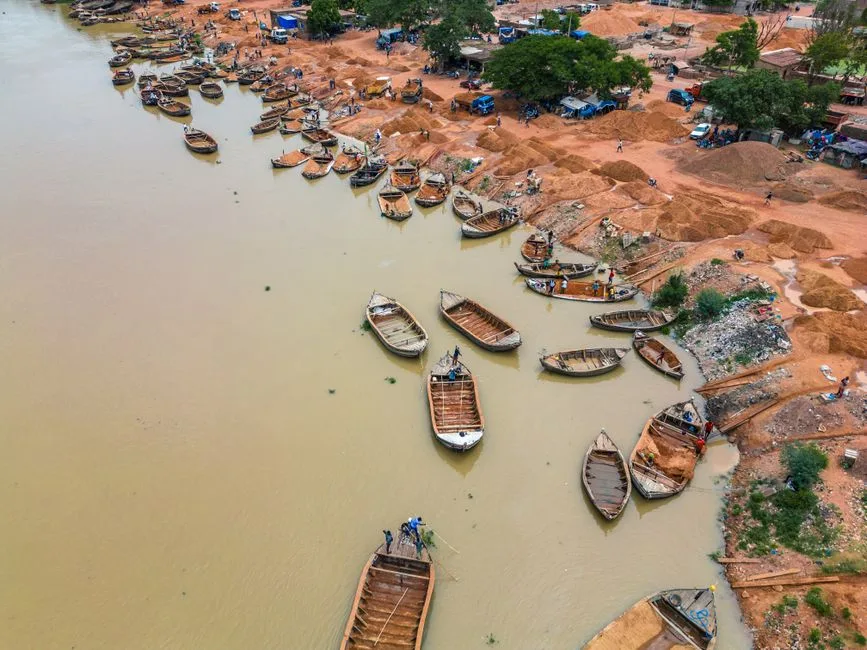
When floodwaters arrive, daily routines shift dramatically. Roads that connect villages to the departmental capital, Abomey, become impassable, limiting access to markets, schools, and health centres. Many families move their sleeping areas to higher ground or to temporary shelters built on raised platforms. Cooking and water collection are also affected; households often rely on stored water or on rain‑catching containers until the flood recedes. The season also brings an increase in water‑borne illnesses, prompting local health workers to focus on preventive measures such as distributing oral rehydration salts and promoting mosquito‑net use.
Agricultural Adjustments
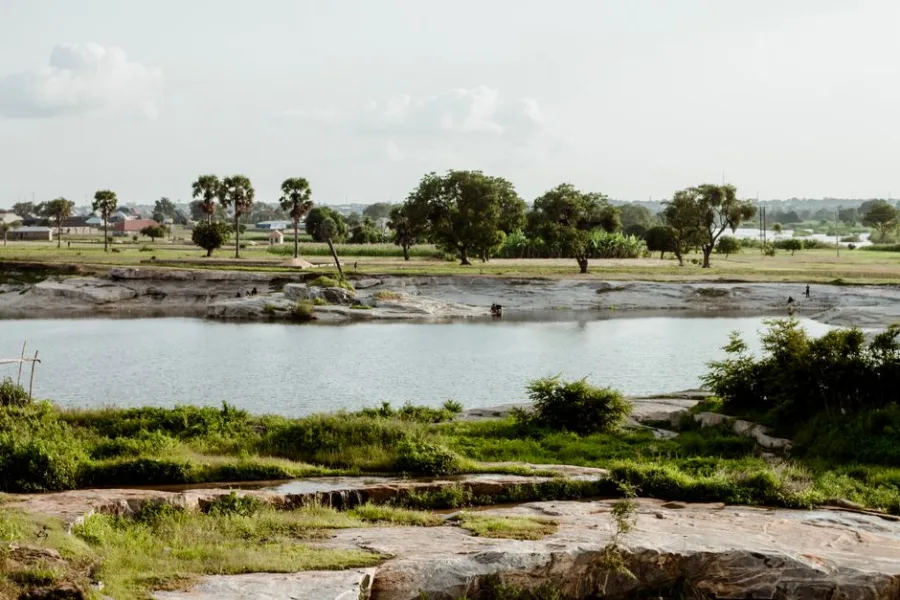
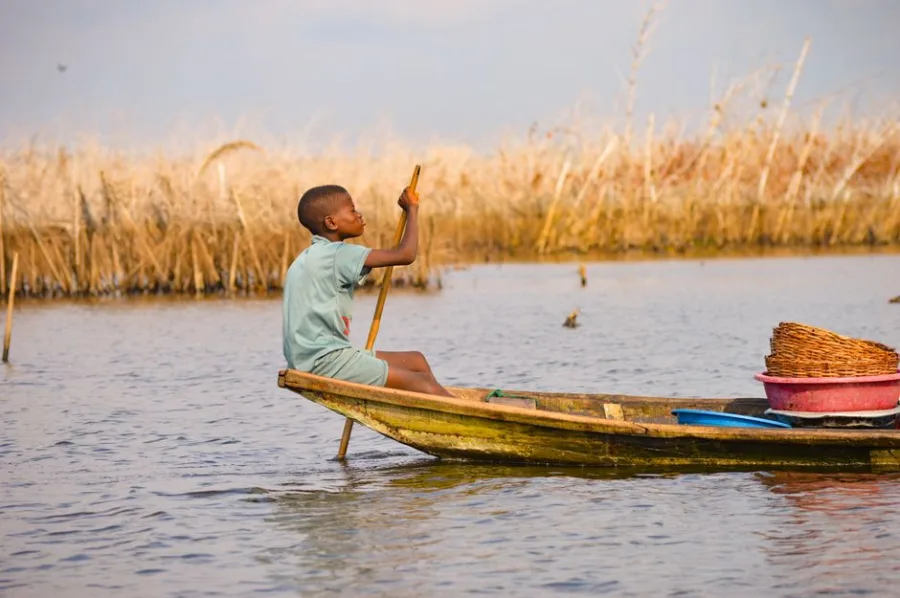
Agriculture is the main livelihood in Ouinhi, with most households cultivating maize, cassava, vegetables and, in the flood‑prone zones, low‑land rice. The flood season dictates the planting calendar. Farmers typically sow early‑season crops such as maize before the rains begin, then shift to flood‑tolerant varieties that can survive brief submersion. In the most flood‑affected fields, raised beds or ridges are constructed from local soil to keep roots above water. Some growers also practice “flood‑recession farming,” planting crops like rice as the waters withdraw, taking advantage of the nutrient‑rich silt left behind. Extension services from the Zou agricultural office provide guidance on timing and on the use of improved seed varieties that are better suited to the local hydrology.
Community Resilience and Planning
Over recent decades, the commune has developed informal early‑warning practices. Elders and local officials monitor river gauges and share alerts through community meetings and mobile phone networks. When a flood is expected, communal labor is organised to reinforce embankments, clear drainage channels and relocate livestock to safer pastures. Non‑governmental organisations operating in the region have supported these efforts by supplying sandbags, training on flood‑resilient construction, and helping households diversify income through small‑scale poultry or craft production that can continue during the water‑logged months. While the floods remain a challenge, the combination of traditional knowledge and modest external assistance has allowed Ouinhi’s residents to maintain food security and to keep essential services functioning throughout the season.
Overall, the seasonal flooding of the Ouémé River is a defining feature of life in Ouinhi. It shapes when and how people work the land, influences settlement patterns, and encourages a collective approach to risk management. Visitors who travel to the Zou Department during the dry months will see the landscape in its cultivated form, but a deeper understanding of the region emerges only by recognizing the rhythm of the river and the adaptive strategies it has inspired.
Travel information can change. Confirm current entry requirements, opening hours and local guidance with official sources before your trip.



Comments 0
Share a helpful thought or question. Comments appear after review.
Be the first to share a thoughtful comment.
Leave a comment
Your email will not be displayed. Please keep comments relevant and respectful.