
- Destination
- Hereford, United Kingdom
- Collection
- Destinations
- Reading time
- 3 min
- Updated
- Nov 16, 2026
Why the Farmhouses Matter
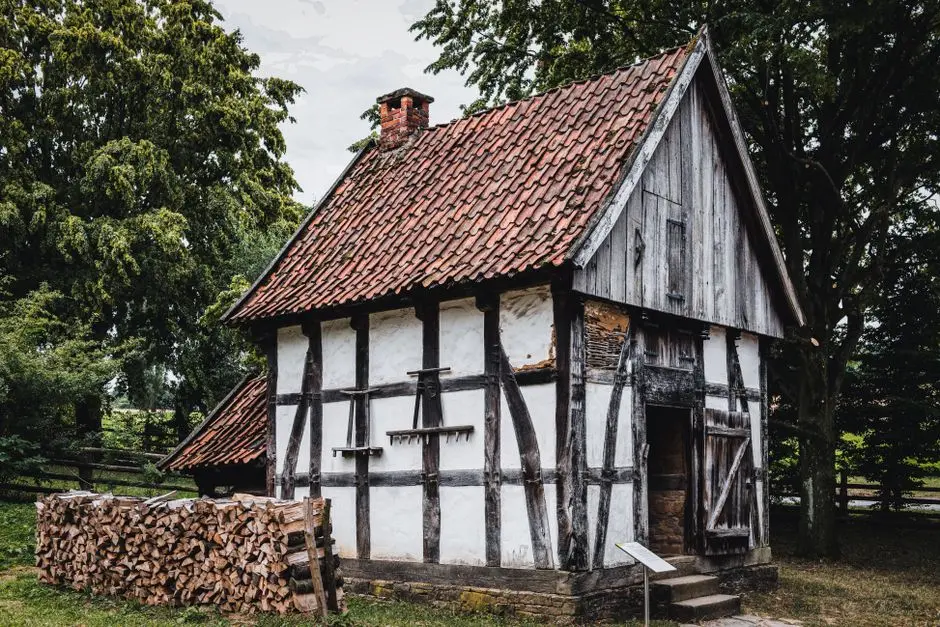
Herefordshire’s rural landscape is dotted with black‑and‑white timber frames that have survived for centuries. These modest farmhouses are not grand manor houses; they are the work‑horses of a farming community that once produced cider, wool and wheat. Their survival tells a story of local building traditions that adapted to the county’s abundant oak forests and the practical needs of agricultural families.
Reading the Timber Frame
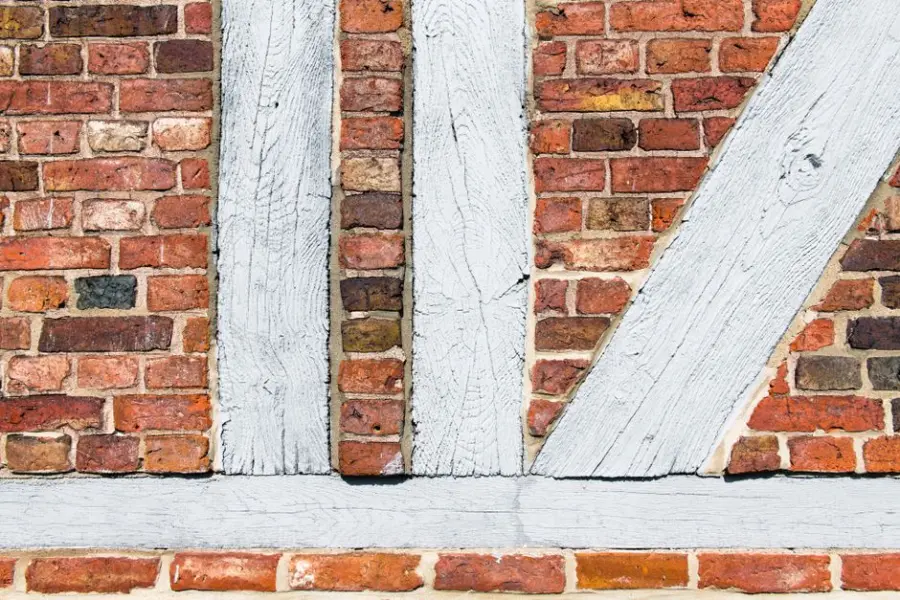
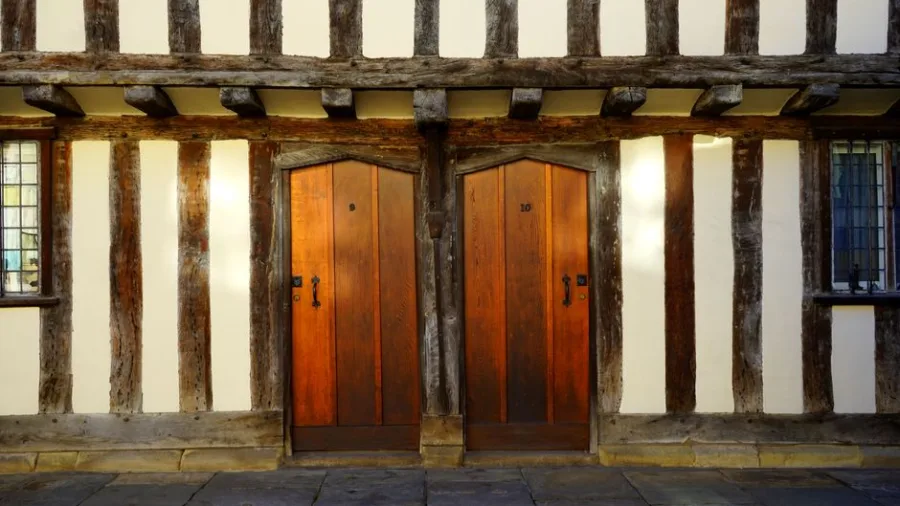
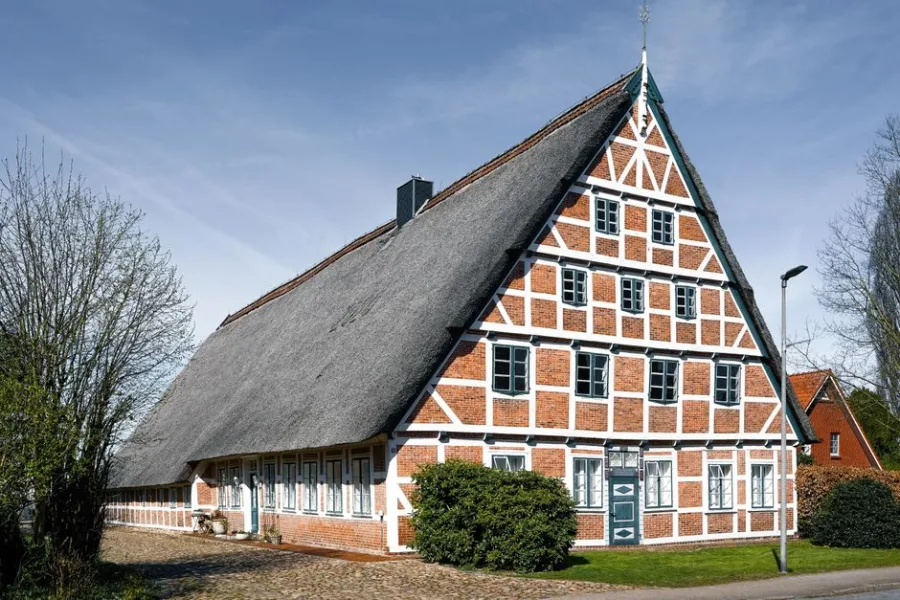
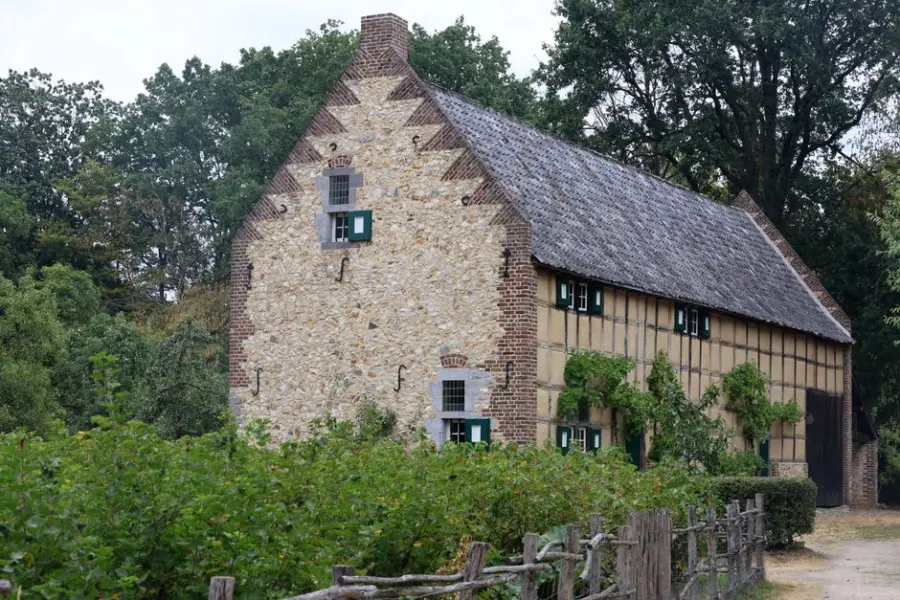
A typical Herefordshire farmhouse displays a timber skeleton filled with wattle and daub or later brick infill. The exposed oak beams are often painted black, while the infill is whitewashed, creating the iconic contrast. Look for a close‑studied “jetty” where the upper floor projects beyond the ground floor—an early method of gaining extra space without enlarging the footprint. The roof is usually thatched or covered with plain tiles, and the chimney stacks are modest, reflecting the building’s functional purpose.
Where the Farmhouses Cluster
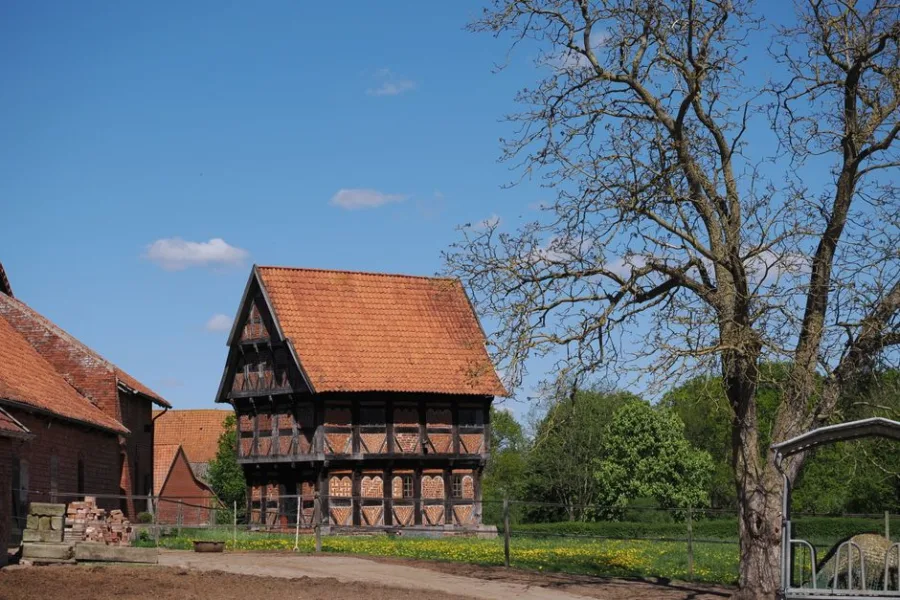
The highest concentration of these structures lies in the Vale of Leadon, the Wye Valley, and around the market towns of Leominster and Ross-on-Wye. While many are private homes, a number are visible from public footpaths that criss‑cross the county’s network of rights of way. The Herefordshire Trail, a long‑distance walking route, passes close to several well‑preserved examples, offering a low‑impact way to admire the architecture without trespassing.
Visiting with Respect
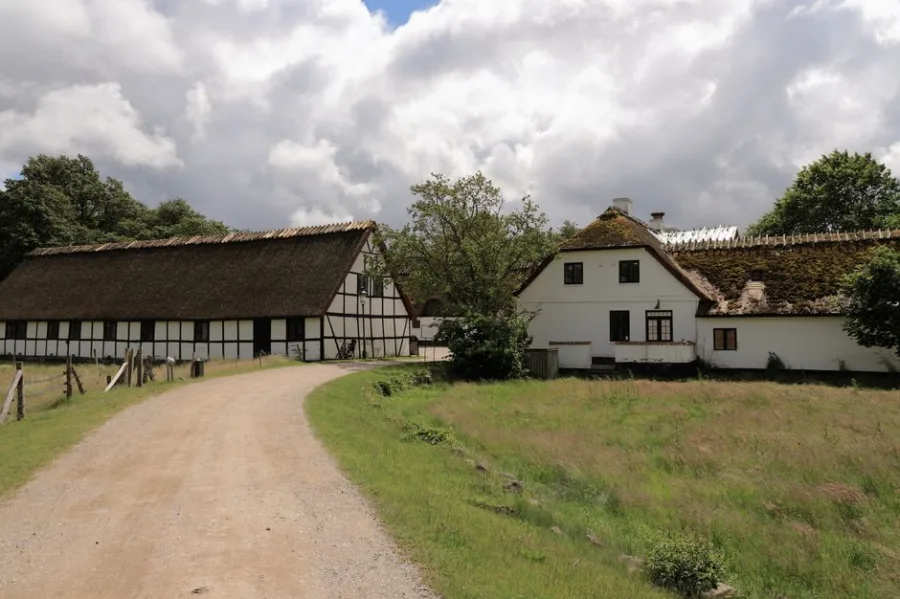
When you spot a farmhouse from a footpath, keep a respectful distance—respect private property and avoid climbing onto walls or roofs. Photographers should use a zoom lens rather than stepping onto lawns, and always ask permission if you wish to approach a gate. Dogs should be kept on leads, especially where livestock may be present. By staying on designated paths you support heritage conservation efforts that rely on minimal disturbance.
Guided Walks and Local Knowledge
Several local heritage groups, such as the Herefordshire Historic Buildings Trust, organise seasonal walks that focus on timber‑framed architecture. These walks are led by volunteers who can point out subtle details—like the type of joint used in the timber or the original layout of the interior rooms. Joining a guided walk not only deepens your understanding but also contributes financially to the upkeep of these vulnerable structures.
Practical Tips for the Careful Traveller
- Plan your route using the Ordnance Survey Explorer maps, which clearly mark public rights of way.
- Carry a field guide to timber‑framed buildings; it helps you identify authentic features versus later alterations.
- Bring a reusable water bottle and pack out any litter; the countryside’s charm depends on visitors leaving it as they found it.
- If you wish to learn more, stop by a local village hall or pub; residents often share anecdotes about the farms that have shaped the community for generations.
The Bigger Picture
Appreciating these modest farmhouses is more than a visual pleasure; it connects you to a cottage orchard heritage that has defined Herefordshire’s identity for centuries. By observing from a distance, using public footpaths, and supporting local conservation groups, you help ensure that future generations can still see the same black‑and‑white timber frames that have stood the test of time.
Closing Thoughts
Herefordshire invites you to slow down, look closely, and listen to the quiet stories whispered by its timber‑framed farmhouses. With a little preparation and a respectful attitude, you can enjoy a truly authentic slice of English rural history while contributing to its preservation.
Travel information can change. Confirm current entry requirements, opening hours and local guidance with official sources before your trip.

Comments 0
Share a helpful thought or question. Comments appear after review.
Be the first to share a thoughtful comment.
Leave a comment
Your email will not be displayed. Please keep comments relevant and respectful.