
- Destination
- Croatia
- Collection
- Travel Tips
- Reading time
- 3 min
- Updated
- Nov 12, 2026
Arriving and Setting the Pace
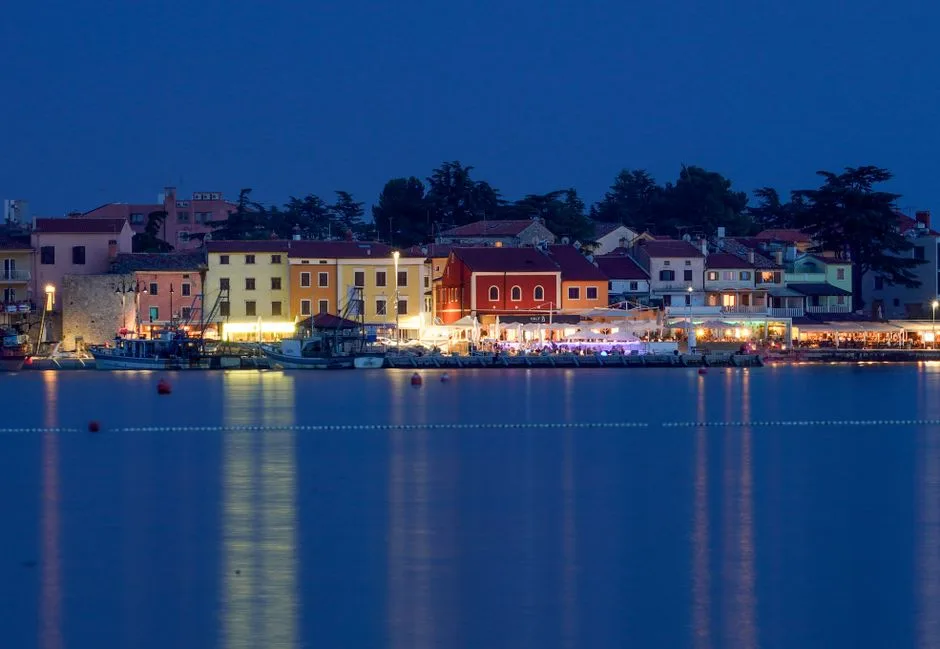
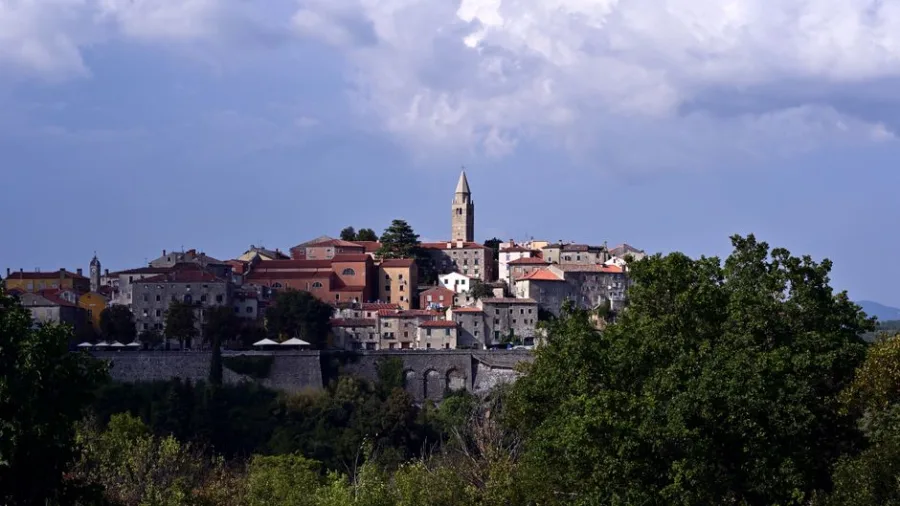
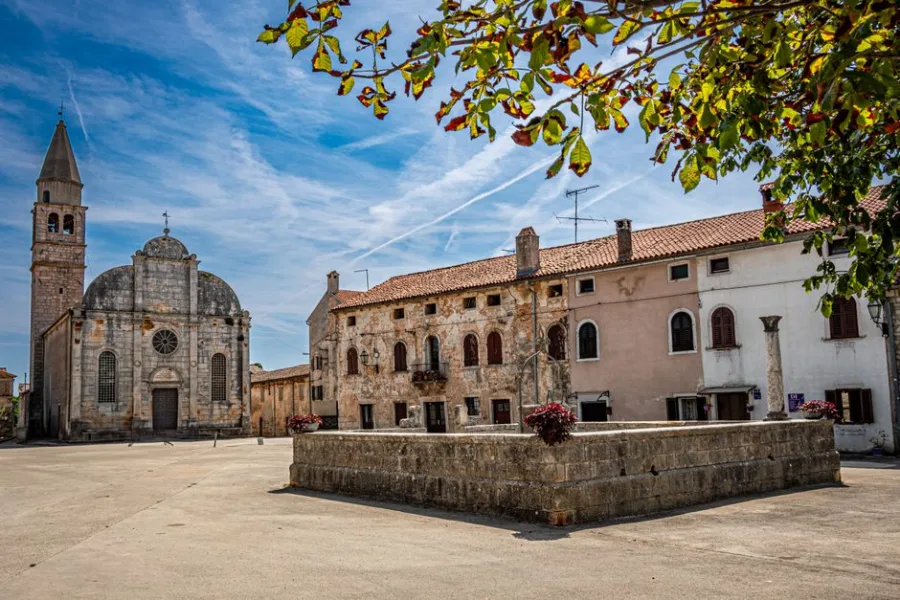
Novigrad‑Cittanova sits in the heart of Istria’s coastal hinterland, a modest municipality that blends Roman remnants with Venetian influence. The town is best approached by regional bus from Pula or by a short drive along the A9 highway. Once you step off the bus or park at the small municipal lot, take a moment to walk slowly and let the town’s tempo settle around you. Early mornings, especially before 9 am, are when locals are still preparing market stalls and children are heading to school; your quiet presence will feel natural rather than intrusive.
Mapping the Stone Lanes
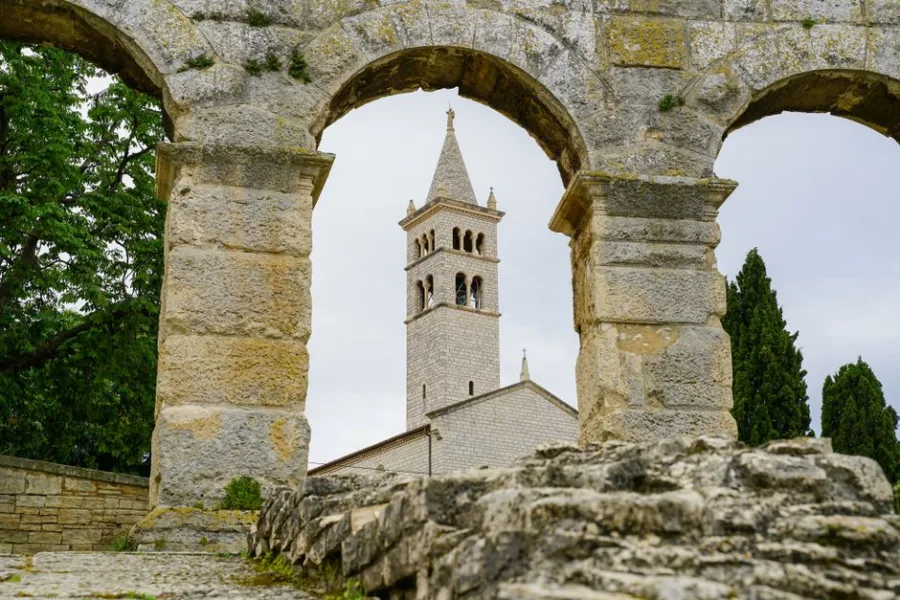
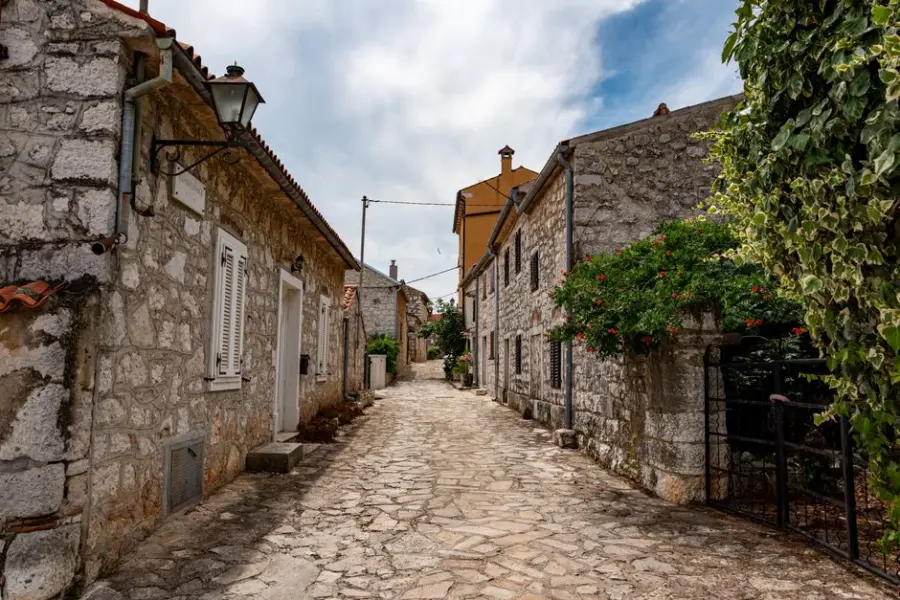
The historic core is a network of narrow, cobbl‑stone streets that wind between stone houses, the parish church, and the town square (trg). While there is no official tourist map that marks every alley, a simple sketch of the main arteries—Glavna ulica, Via Roma, and the lane leading to the old city walls—will guide you. Follow the scent of rosemary and sea‑salt as you turn onto the lesser‑known passages; they often open onto quiet courtyards where locals enjoy a brief chat. Keep an eye out for the occasional kavana where a resident might be sipping espresso; a polite nod is enough acknowledgment.
Interacting Respectfully with Residents
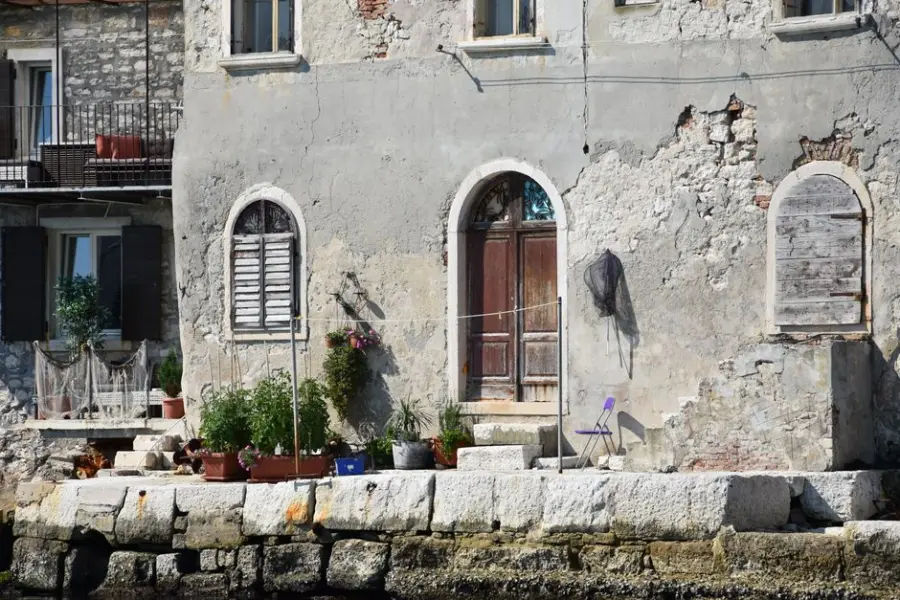
When you pass a family gathering on a stone patio, keep your voice low and avoid sudden movements. Keep noise low is a simple rule that honors the intimate scale of the community. If you wish to photograph a scene, do so from a respectful distance and never block a doorway or a resident’s path. Should someone invite you to share a moment—perhaps a quick greeting or a shared glance—respond with a smile; Istrians value genuine, unpretentious interaction. Remember that many homes are still occupied year‑round, so private gardens and backyards are not public spaces.
Sustainable Practices for a Light Footprint
Novigrad‑Cittanova’s charm rests on its modest scale, so a low‑impact visit is essential. Carry a reusable water bottle; the town’s tap water is safe and the locals appreciate reduced plastic waste. When you need a drink, refill at the municipal fountain near the trg rather than buying bottled water. Choose to eat at family‑run eateries that source ingredients from nearby farms; this supports the local economy and reduces the carbon footprint of imported goods. Support local cafés by buying a coffee and a pastry, but remember to finish what you order—waste is noticeable in a small town.
Extending the Experience Beyond the Lanes
If you have extra time, a gentle hike up the hill behind the old walls offers panoramic views of the Istrian countryside without disturbing the town’s quiet rhythm. The path is unpaved and best tackled on foot; bring sturdy shoes and a light backpack. Along the way, you may encounter a shepherd’s hut where a local may be tending goats—respect the space and keep moving. When you return to the town, consider leaving a small token of appreciation, such as a reusable tote bag with a local design, to remind future visitors of the importance of leaving no trace.
Throughout your walk, let the stone lanes dictate your pace. The rhythm of Novigrad‑Cittanova is not a schedule to be rushed but a melody to be heard. By using reusable water bottles, supporting local cafés, and keeping noise low, you become a quiet participant in the town’s daily life, ensuring that future travelers can enjoy the same unspoiled atmosphere.
Travel information can change. Confirm current entry requirements, opening hours and local guidance with official sources before your trip.


Comments 0
Share a helpful thought or question. Comments appear after review.
Be the first to share a thoughtful comment.
Leave a comment
Your email will not be displayed. Please keep comments relevant and respectful.