
- Destination
- Granada, Spain
- Collection
- Travel Tips
- Reading time
- 3 min
- Updated
- Nov 4, 2026
Understanding the Sierra Nevada Climate
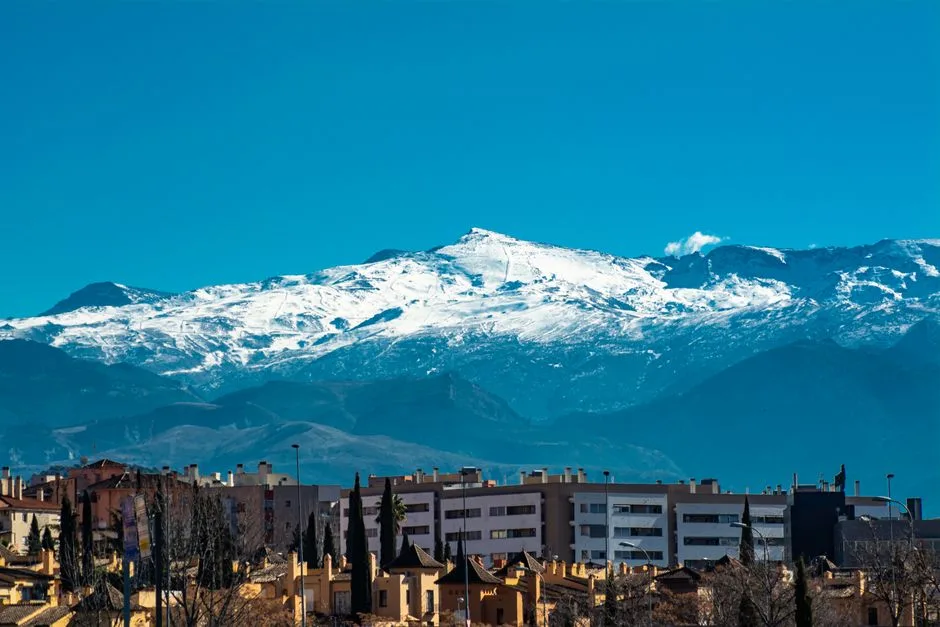
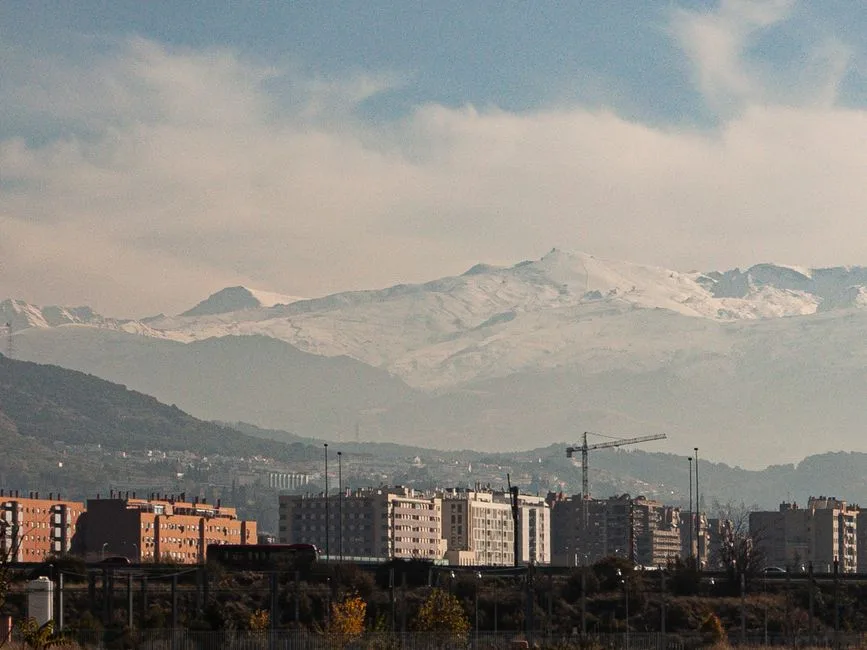
The Sierra Nevada in the province of Granada is a high‑mountain range where Mediterranean and alpine influences meet. Summer days can reach 25‑30 °C in the valleys, yet temperatures drop below 10 °C after sunset, especially in the alpujarras villages such as Capileira, Trevélez and Pampaneira. Spring and autumn are the most unpredictable seasons: a sunny morning can quickly give way to rain, hail, or even a brief snow shower at elevations above 1,800 m. Winter trekking is limited to well‑equipped groups because snow can linger on the passes until late April. The key takeaway is that weather changes rapidly, so you must be prepared for both warmth and cold in a single outing.
Core Packing List
- Layered clothing system: base‑layer moisture‑wicking shirt, mid‑layer fleece or lightweight down, and a waterproof breathable jacket. This combo lets you add or remove layers as the temperature shifts.
- Sturdy, broken‑in hiking boots with ankle support; consider a pair with a Vibram sole for rocky paths.
- Adequate hydration: at least 2 L of water per day, plus a reusable bottle or hydration bladder. Water sources are common in the valleys but may be cold or mineral‑rich, so a lightweight filter is advisable.
- Sun protection: high‑altitude sunscreen (SPF 30+), lip balm with UV filter, and a wide‑brim hat.
- Packable rain cover for your backpack and a set of dry‑bag zip‑lock pouches for electronics and documents.
- Basic first‑aid kit, blister treatment, and an emergency thermal blanket.
- Map of the area (IGN topographic map) and a compass; GPS devices are useful but should not replace traditional navigation tools.
- Snacks high in energy (nuts, dried fruit, energy bars) and a lightweight stove if you plan to cook at higher elevations.
Footwear and Navigation
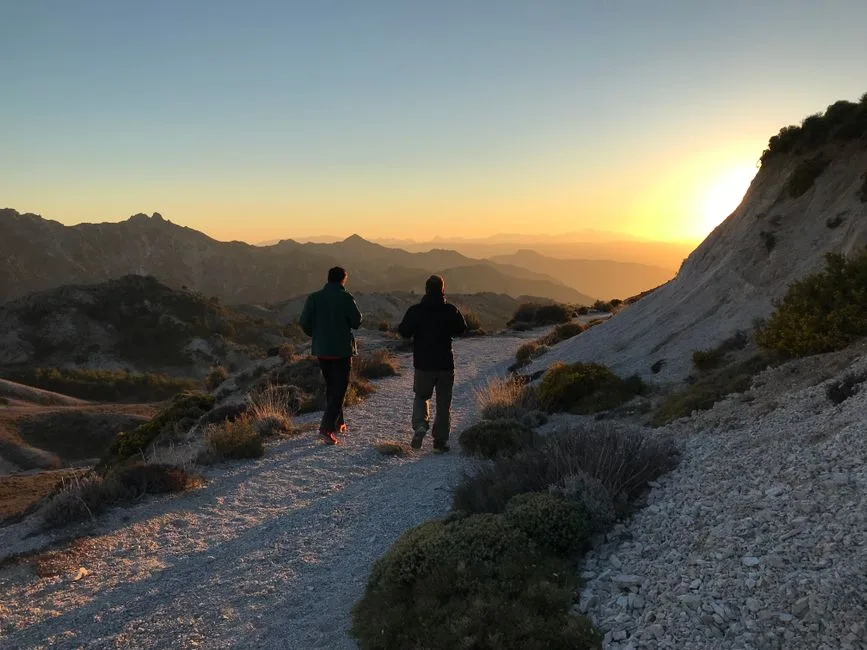
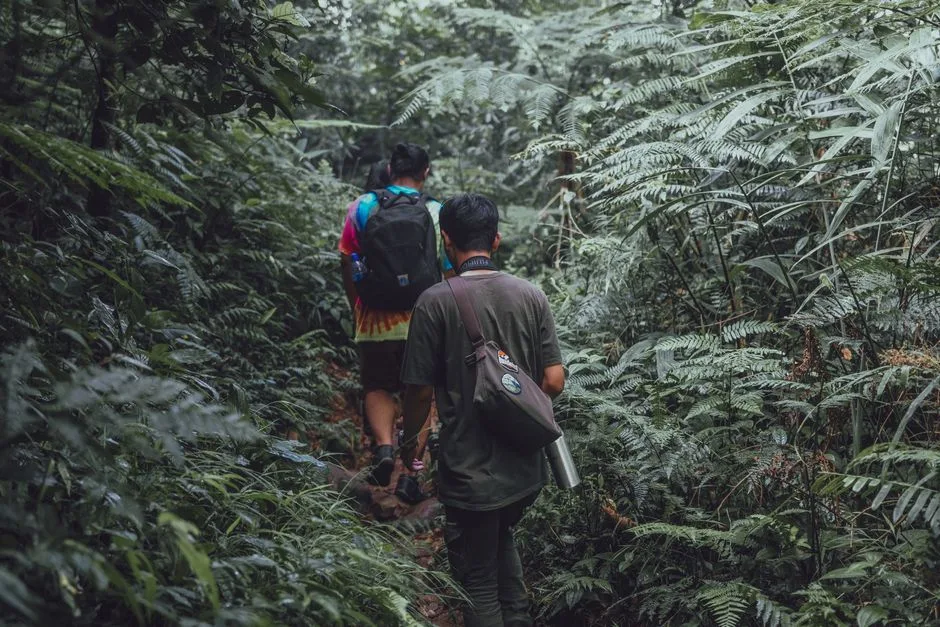
The trails that link the pueblos of the Sierra Nevada are a mix of well‑maintained footpaths and rugged stone tracks. Even on a clear day, loose scree and sudden drops are common. Choose boots with good tread and consider gaiters to keep debris out of your socks. When navigating, keep an eye on trail markers, which are often painted on rocks or posted on wooden signs. In foggy conditions, visibility can drop to a few meters, making a compass indispensable.
Altitude and Safety
Most of the popular villages sit between 1,200 m and 1,800 m, but several trailheads start above 2,000 m. Altitude sickness is rare at these heights for healthy adults, yet symptoms such as headache or shortness of breath can appear if you ascend too quickly. Acclimatize by spending a night in a lower‑lying village before tackling higher passes, and maintain a steady pace. If you feel unwell, descend to a lower altitude, hydrate, and rest. Carry a small whistle and a personal locator beacon if you plan remote routes.
Practical Extras
- A lightweight high‑altitude sunscreen with a high SPF is essential; UV intensity increases with elevation.
- Pack a small notebook and pen for noting trail conditions or emergency contacts.
- If you travel in the shoulder seasons, bring a compact insulated jacket for early morning frost.
- Consider a set of reusable silicone bags for food; they reduce waste and keep supplies dry.
- Finally, respect the local culture: many pueblos rely on tourism, so keep noise low, stay on marked paths, and dispose of waste responsibly.
By following these guidelines, you’ll be equipped to enjoy the dramatic scenery of the Sierra Nevada while staying comfortable and safe. The combination of thoughtful packing, awareness of the mountain climate, and basic navigation skills turns a challenging trek into a rewarding adventure through some of Andalusia’s most picturesque high‑altitude villages.
Travel information can change. Confirm current entry requirements, opening hours and local guidance with official sources before your trip.
Comments 0
Share a helpful thought or question. Comments appear after review.
Be the first to share a thoughtful comment.
Leave a comment
Your email will not be displayed. Please keep comments relevant and respectful.