
- Destination
- Botswana
- Collection
- Travel Tips
- Reading time
- 3 min
- Updated
- Nov 7, 2026
Understanding the Dry Season
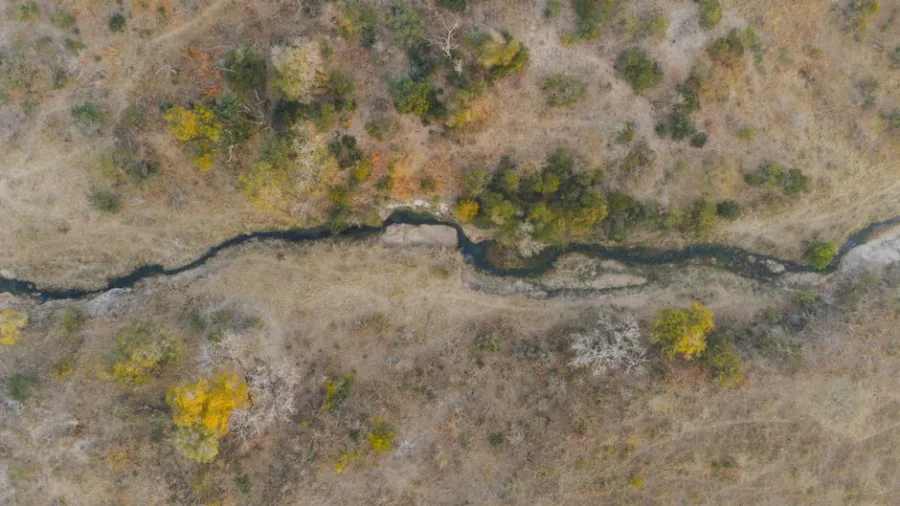
Kweneng South experiences a pronounced dry season from May through October. Rainfall drops to less than 200 mm and temperatures can climb above 30 °C during the day. The limited precipitation means that natural water bodies such as seasonal pans and small streams often dry up, leaving boreholes and communal taps as the primary sources for travelers. Knowing the timing of the dry spell helps you plan when to refill and how much water to carry.
Securing Safe Water
When you arrive in the district, locate the nearest designated water points – usually marked at village kgotla sites or at the outskirts of larger settlements like Molepolole. These points are maintained by the local council and provide treated water for residents and visitors. Bring a sturdy, food‑grade water container (at least 5 litres) and fill it completely; a full container is easier to transport over the sandy terrain.
If you must rely on natural sources, treat the water before drinking. A portable filter (e.g., a hollow‑fiber filter) combined with chemical tablets or a UV purifier offers reliable protection against bacteria and parasites common in the region. Carry enough water for at least two days of trekking, as the next refill point may be many kilometres away.
Water storage while camping should minimise evaporation. Store containers in the shade, cover them with a breathable cloth, and keep them sealed when not in use. Re‑using the same container for cooking and drinking reduces the amount of plastic you need to bring and later discard.

Low‑Impact Camping Practices
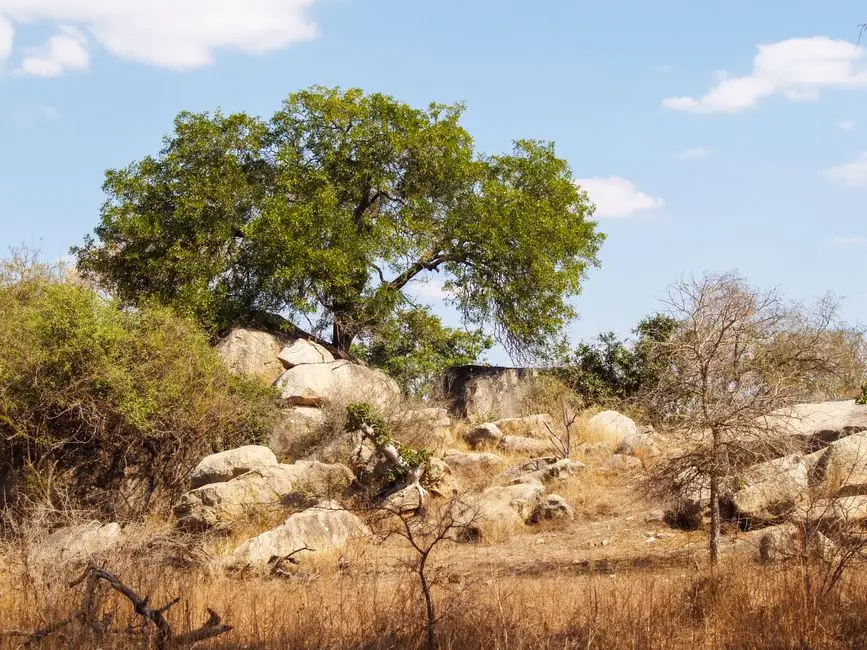
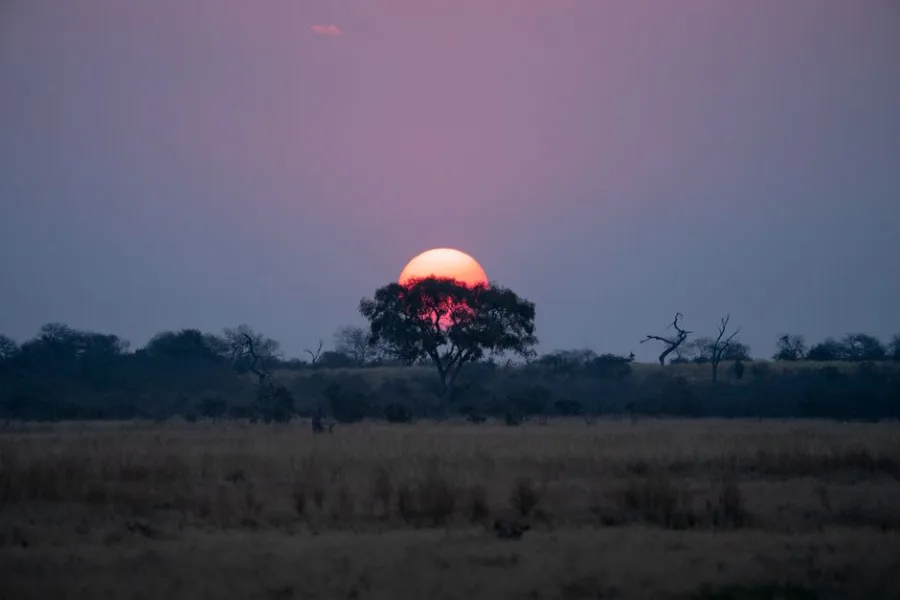
Kweneng South’s landscape is a mix of open savanna, acacia groves, and scattered granite outcrops. To preserve this fragile environment, follow these core principles:
- Camp only in established sites or on durable surfaces such as sand or compacted ground. Avoid setting up tents near fragile vegetation or in low‑lying areas that could become runoff channels.
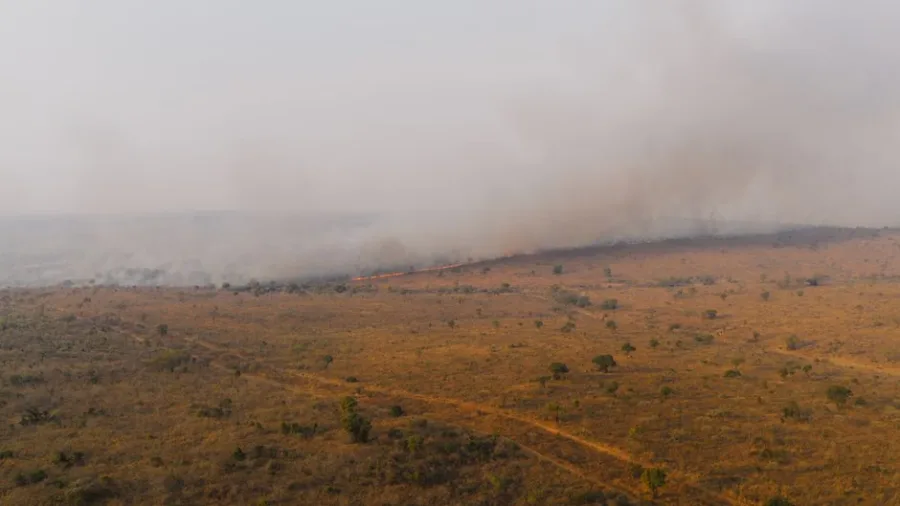
- Use a lightweight, portable stove rather than an open fire. During the dry season, fire bans are common, and a small gas canister reduces the risk of accidental wildfires.
- Practice strict waste pack‑out: pack all rubbish, leftover food, and toilet paper. If a toilet facility is unavailable, dig a cathole at least 15 cm deep and 60 m away from water sources.
- Limit water usage by taking quick showers, re‑using dishwater for cleaning gear, and turning off stoves when not actively cooking.
- Respect wildlife by keeping a safe distance and storing food in sealed containers to avoid attracting animals.
Respecting Local Guidelines
The Botswana Department of Wildlife and National Parks (DWNP) issues seasonal guidelines for camping and water use. Before setting out, check with the nearest village office or the district tourism office for any temporary restrictions – for example, areas closed to protect nesting birds or zones where water extraction is limited.
Local communities value the concept of pula (rain) as a shared resource, and many villages practice communal water management. When you refill at a village tap, be courteous: fill only what you need, avoid lingering, and thank the caretaker. This simple courtesy helps maintain good relations and ensures that water points remain operational for both residents and visitors.
Quick Checklist
- Refill containers at a verified village kgotla or council‑run tap.
- Bring a portable filter or purification tablets.
- Pack a minimum of 5 litres of water per person per day.
- Use a gas stove; avoid open fires.
- Camp on durable surfaces; avoid fragile vegetation.
- Pack out all waste; dig catholes if necessary.
- Check DWNP notices for fire bans or site closures.
- Respect local water‑use customs and thank caretakers.
By adhering to these guidelines, you can enjoy the stark beauty of Kweneng South while safeguarding its limited water resources and preserving the land for future travelers.
Travel information can change. Confirm current entry requirements, opening hours and local guidance with official sources before your trip.
Comments 0
Share a helpful thought or question. Comments appear after review.
Be the first to share a thoughtful comment.
Leave a comment
Your email will not be displayed. Please keep comments relevant and respectful.