
Getting There
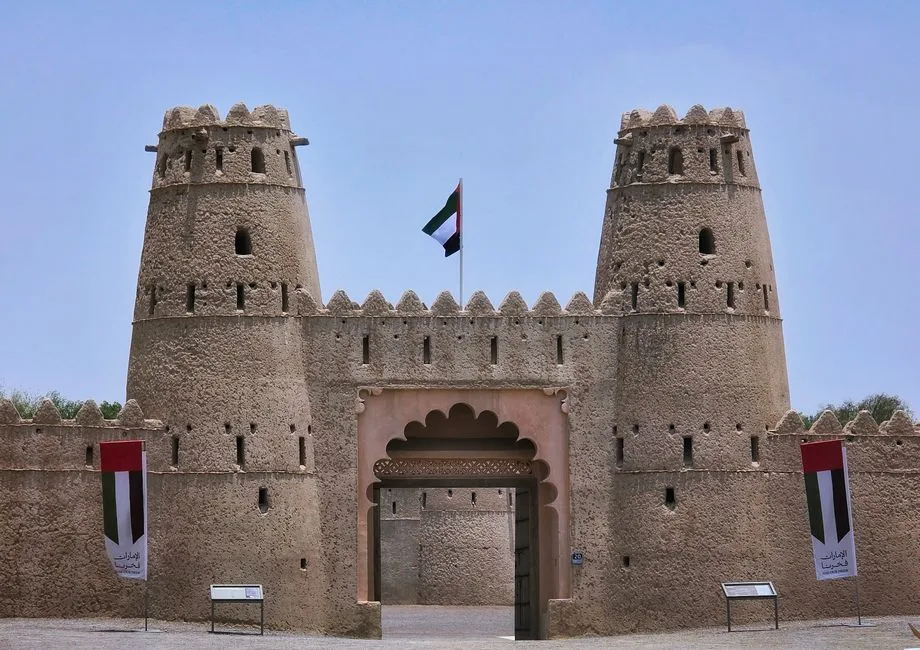
Al Ain lies about 150 km southeast of Abu Dhabi city and 160 km east of Dubai, positioned on the border with Oman. The most common entry point for international travelers is Abu Dhabi International Airport; from there, a well‑maintained highway (E22) connects directly to Al Ain in roughly one and a half hours. For those arriving by road from Dubai, the E66 offers a straightforward route across the desert landscape. Public transport includes intercity bus services that run several times daily between Abu Dhabi, Dubai and Al Ain, providing an affordable alternative to private cars. Taxis and ride‑hailing apps operate in the city and can be booked for door‑to‑door travel from the airport or bus stations.
Getting Around
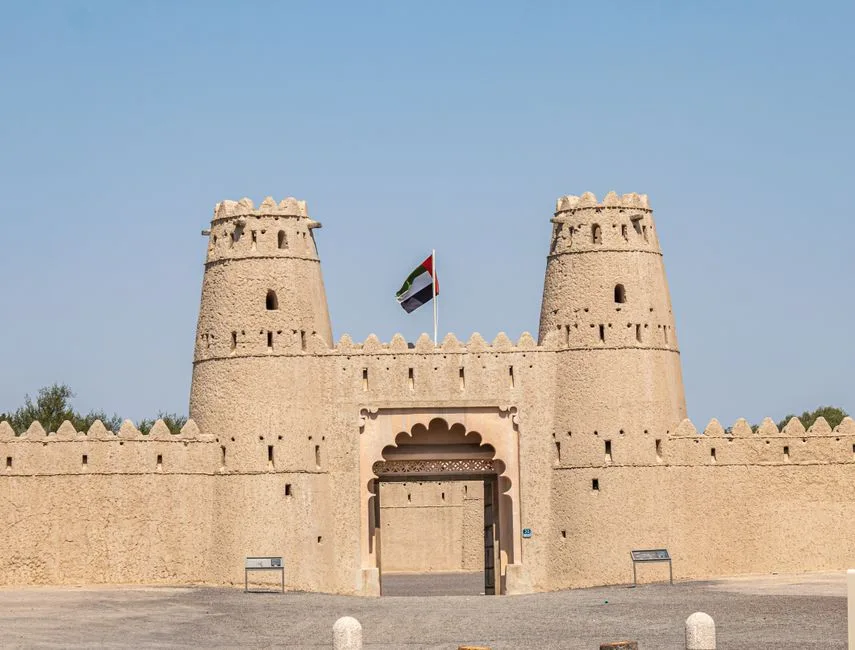
Within Al Ain Municipality, the road network is organized around the central Al Ain Road, which links the historic centre with newer residential districts and commercial zones. Renting a car is a popular option for visitors who wish to explore the wider region, as it offers flexibility for trips to nearby oases, farms and the Hili Archaeological Park. Local taxis are metered and generally reliable; drivers are familiar with major attractions such as Al Ain Oasis and the Al Ain Zoo. While the city does not have an extensive metro system, a limited bus network circulates through key neighbourhoods, and many hotels provide shuttle services to popular sites.
Local Services and Amenities
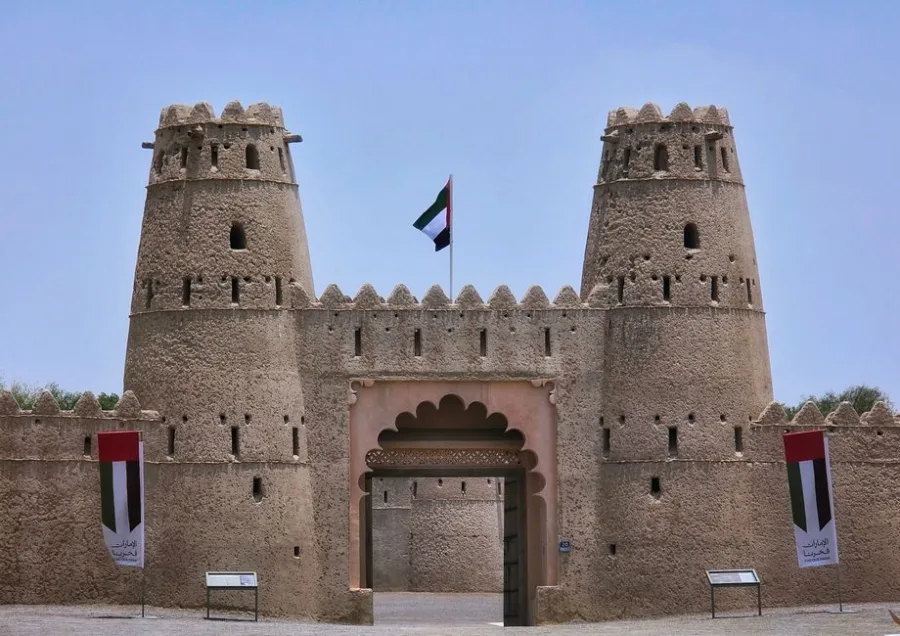
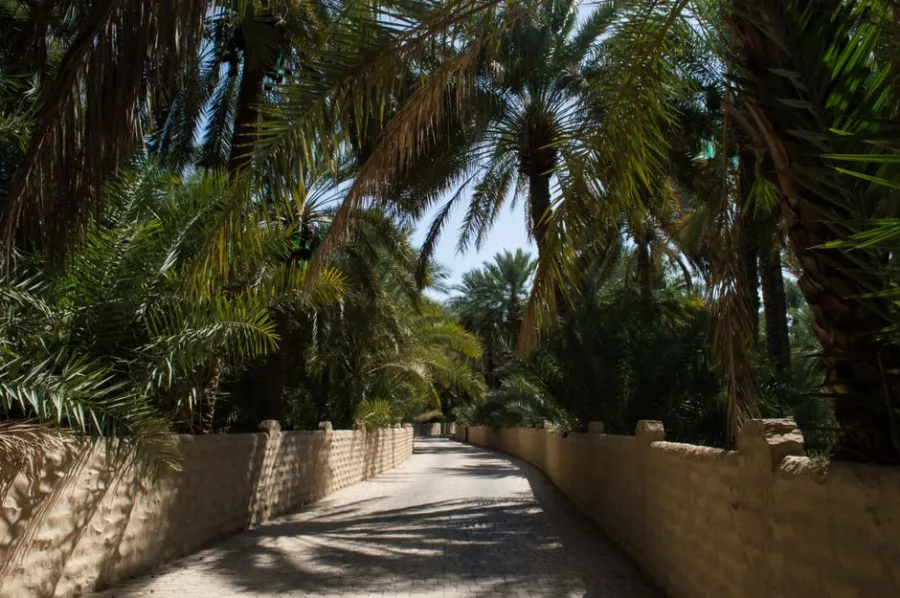
Al Ain Municipality provides a range of public facilities that are useful for travelers. Health care is available through government hospitals and private clinics, both of which accept international insurance. Banking services are widespread, with branches of major UAE banks offering currency exchange and ATM access. The municipality maintains several public parks and shaded rest areas, which are especially valuable during the hot summer months. Shopping needs can be met at traditional souks, where fresh dates, spices and handicrafts are sold, as well as at modern malls that host international retailers and food courts. For internet connectivity, free Wi‑Fi is offered in many public spaces, and mobile network coverage is comprehensive across the city.
Practical Tips for Visitors
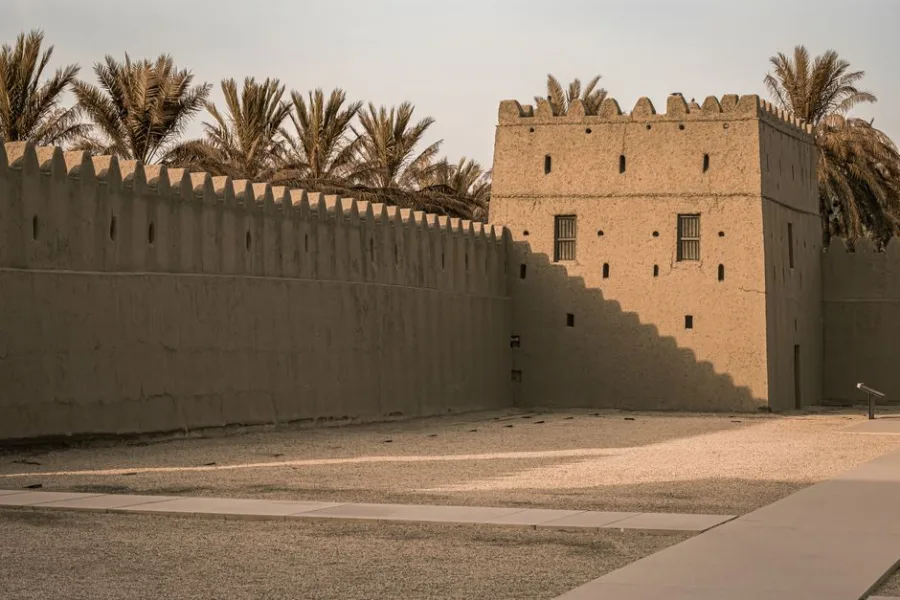
When planning a visit, consider the climate: Al Ain experiences very hot summers, with temperatures often exceeding 40 °C, so carry water, wear light clothing and schedule outdoor activities for early morning or late afternoon. Respect local customs by dressing modestly in public areas and observing prayer times, during which some shops may close briefly. The official language is Arabic, but English is widely understood in tourist‑focused venues. It is advisable to keep a copy of your passport and travel documents, as identification may be requested in hotels or government offices. Finally, be aware that the city’s layout blends historic districts with newer developments, so using a reliable map or navigation app will help you locate services and attractions efficiently.
Safety and Health
Medical facilities in Al Ain meet UAE standards; the main government hospital offers emergency care and the city has several private clinics with English‑speaking staff. In summer, stay hydrated, use sunscreen and avoid strenuous activity during midday. Tap water is safe to drink, but many visitors prefer bottled water.
Travel information can change. Confirm current entry requirements, opening hours and local guidance with official sources before your trip.