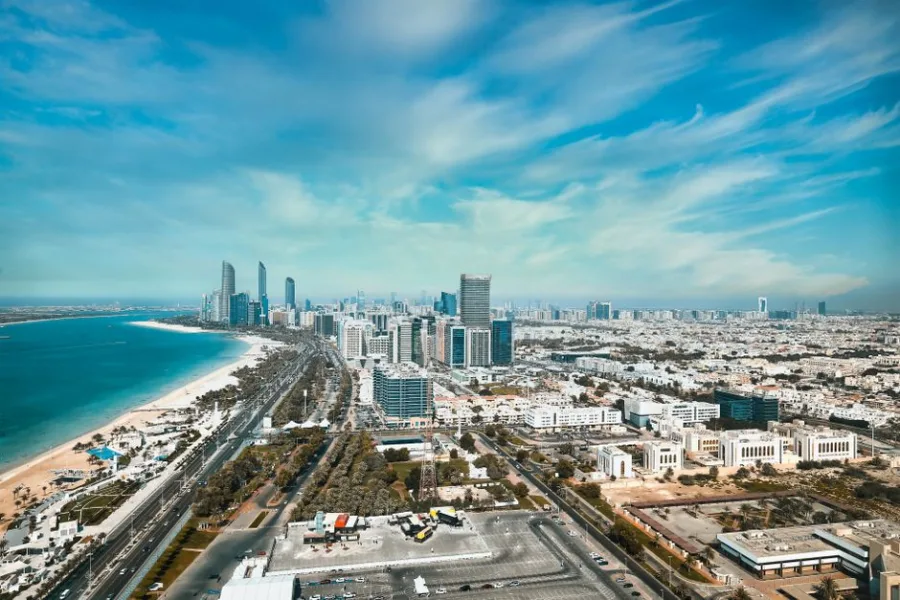
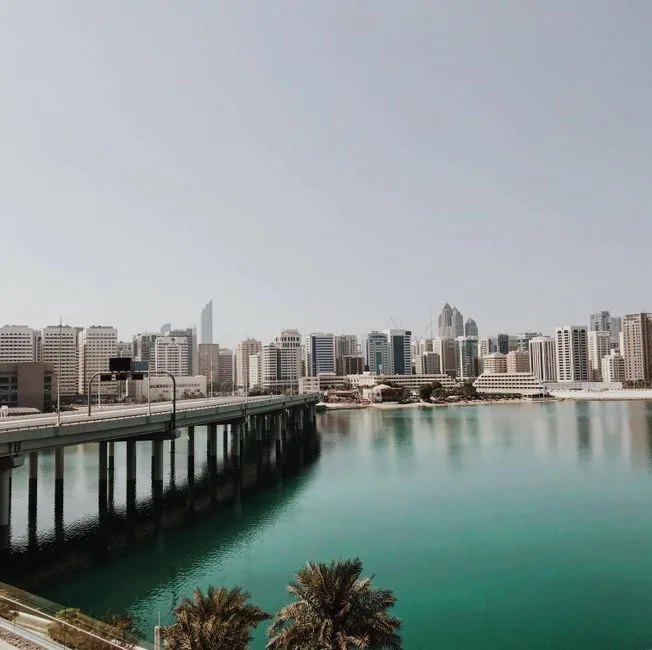
 Photo: Iva Prime / Pexels
Getting There Abu Dhabi Municipality lies within the capital emirate and is served by Abu Dhabi International Airport (AUH), the main gateway for most international flights. From the airport, the most reliable options are licensed taxis, ride‑hailing apps and the public bus network that connects to the city centre and surrounding districts. The road network follows a grid pattern, with major highways such as Sheikh Zayed Road (E10) providing direct access to the municipal area. Visitors should carry a printed copy of their accommodation address, as drivers often request it for navigation.
Public buses operate from the airport to the municipal district on regular intervals, and the Al Wahda Bus Station serves as a hub for inter‑city routes. Car‑rental agencies are present at the airport; a UAE driving licence or an international permit is required for self‑drive.
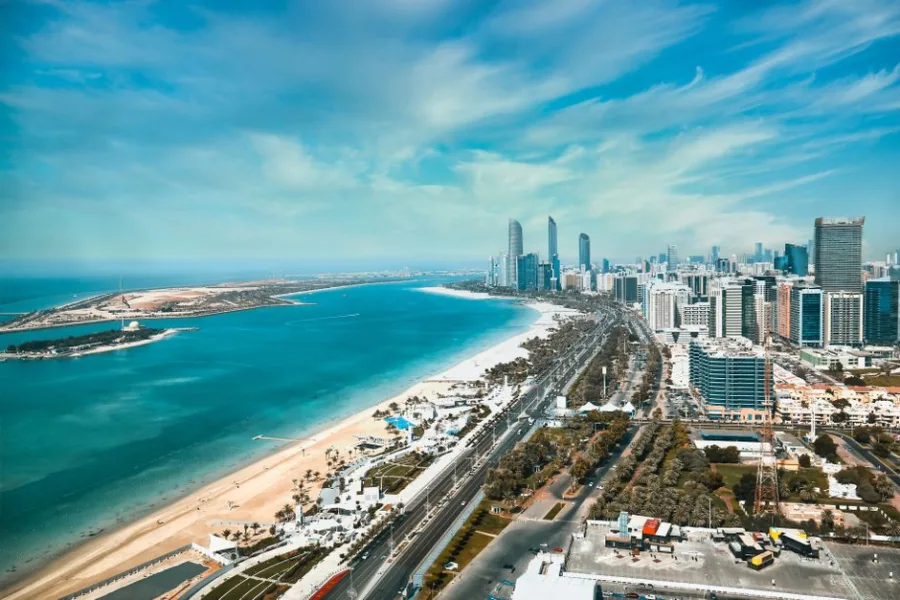
When to Visit The climate of Abu Dhabi is desert‑type, with very hot summers and mild winters. The most comfortable period for outdoor activities is between November and March, when daytime temperatures typically range from the low to mid‑20s °C. During the summer months, temperatures regularly exceed 40 °C, and shade and hydration become essential. Seasonal sandstorms can occur, so checking a short‑term weather forecast before departure is advisable.
Even in the cooler months, evenings can be breezy, so a light jacket is useful. Humidity is lower than on the coast, making desert excursions more comfortable. Daylight lasts about ten to eleven hours, providing ample time for sightseeing without rushing.
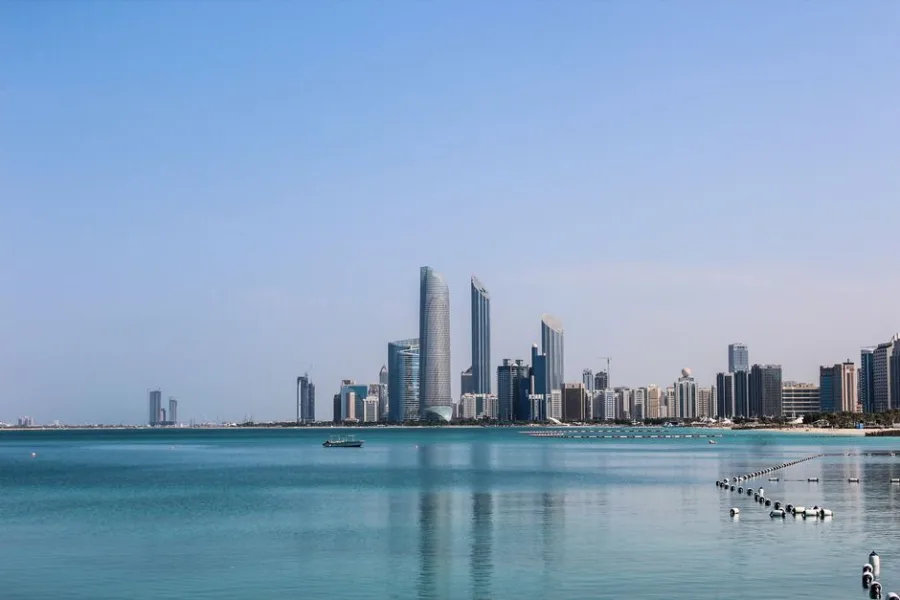
Where to Stay Accommodation options are concentrated in the central business district and along the Corniche, both of which are within easy reach of municipal offices and major attractions. Hotels range from internationally recognised chains to locally owned properties. When selecting a hotel, consider proximity to a metro or bus stop if you plan to rely on public transport. Most establishments provide free Wi‑Fi and basic amenities, and many offer concierge assistance for arranging local tours or transport.
Booking early for the peak winter season secures better rates and choice of rooms. The Al Khalidiya and Al Zahiyah neighborhoods offer a mix of hotels and serviced apartments close to shopping malls and dining options. Safety standards are high, and most properties have 24‑hour reception.
Local Customs and Practicalities Abu Dhabi observes a conservative cultural environment. Dress modestly in public spaces; shoulders and knees should be covered, especially when visiting government buildings or traditional markets. Public displays of affection are discouraged. The official language is Arabic, but English is widely used in signage, hotels and most service points. It is helpful to carry a small amount of local currency (UAE dirham) for small purchases, although credit cards are accepted in most venues. Tipping is not mandatory but appreciated for good service. Finally, be aware that the weekend runs from Friday to Saturday, so many offices close on these days.
Prayer times are announced publicly; many businesses pause briefly during the midday call, so allow a few extra minutes for transactions. Photography of government buildings, military sites or local people without consent should be avoided. The national emergency number is 999 for police, fire and ambulance.