
Where the Music Lives
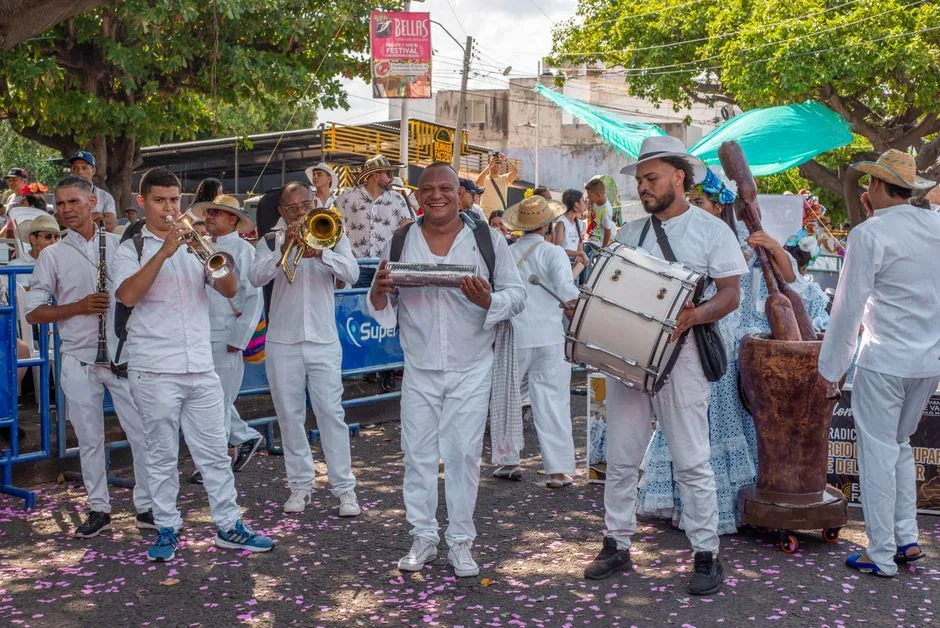
Guadeloupe’s two main islands, Basse‑Terre and Grande‑Terre, are divided by a narrow strait but share a vibrant street‑music scene that can be heard from sunrise to dusk. In the commercial heart of Pointe‑à‑Pitre, the Marché Central draws locals and visitors alike, and the market’s perimeter is a natural stage for drummers, singers and small ensembles. A short walk north brings you to the waterfront promenade where vendors sell fresh fish and the scent of grilled fish mingles with the pulse of a ka drum. On the western side of the archipelago, the capital Basse‑Terre offers a quieter but equally authentic setting: the historic town square, the steps of the Saint‑Claude Cathedral, and the bus terminal are regular gathering points for musicians who play while commuters wait for the next route. These locations are not tourist attractions in the sense of curated performances; they are everyday spaces where music is woven into the rhythm of daily life.
Instruments and Styles
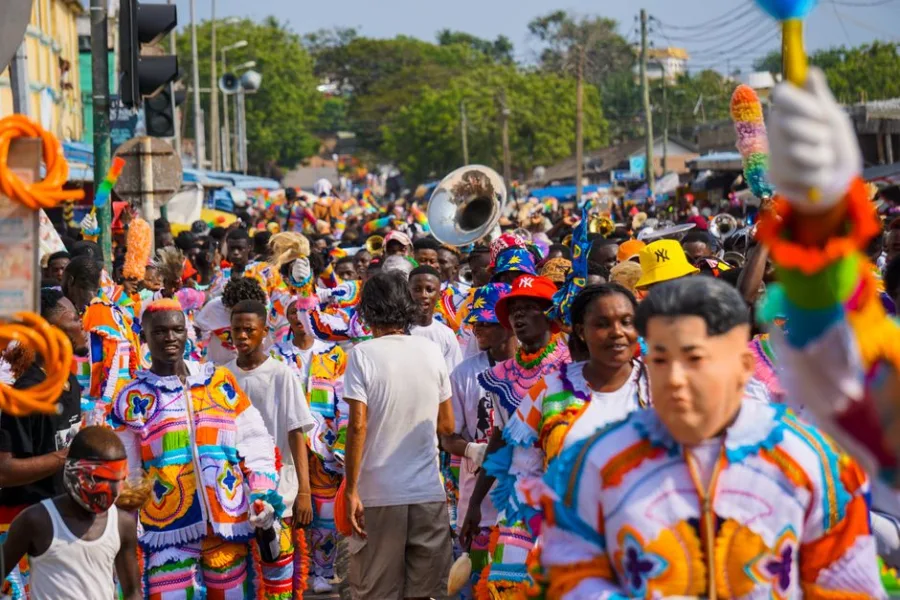
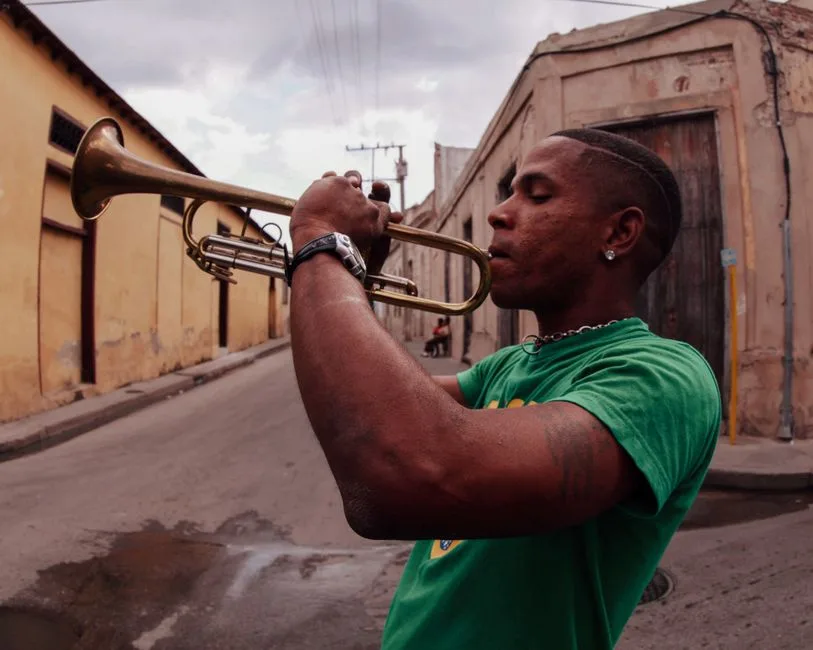
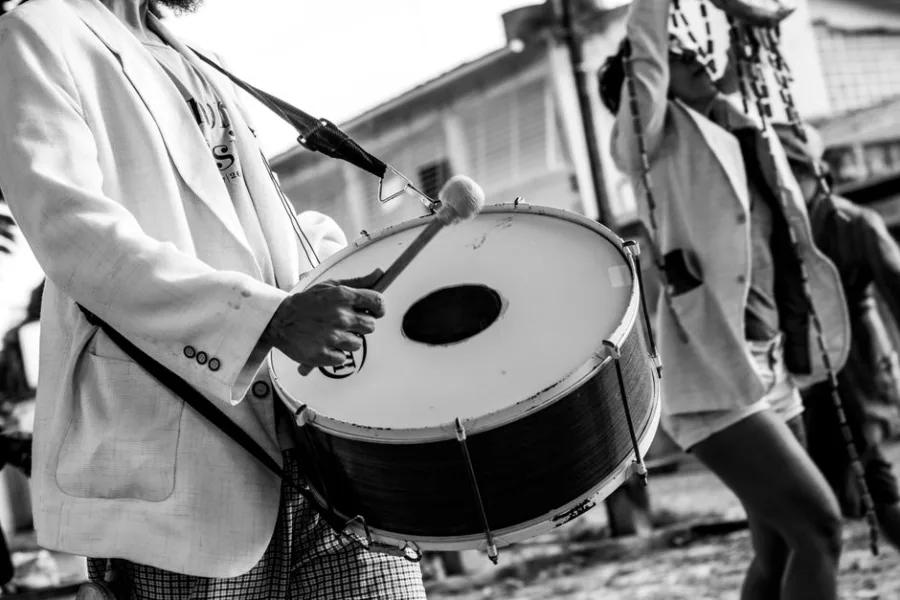
The most recognizable sound is the gwo ka, a family of hand‑drummed rhythms that trace their roots to African traditions brought by enslaved people in the 17th and 18th centuries. A typical gwo ka set includes the boula (a low‑pitch drum) and the maké (a higher‑pitch drum), often accompanied by a ti‑boula (a smaller, handheld drum) and a vocal chant in Antillean Creole. The patterns are call‑and‑response, allowing a soloist to improvise verses while the ensemble maintains a steady groove.
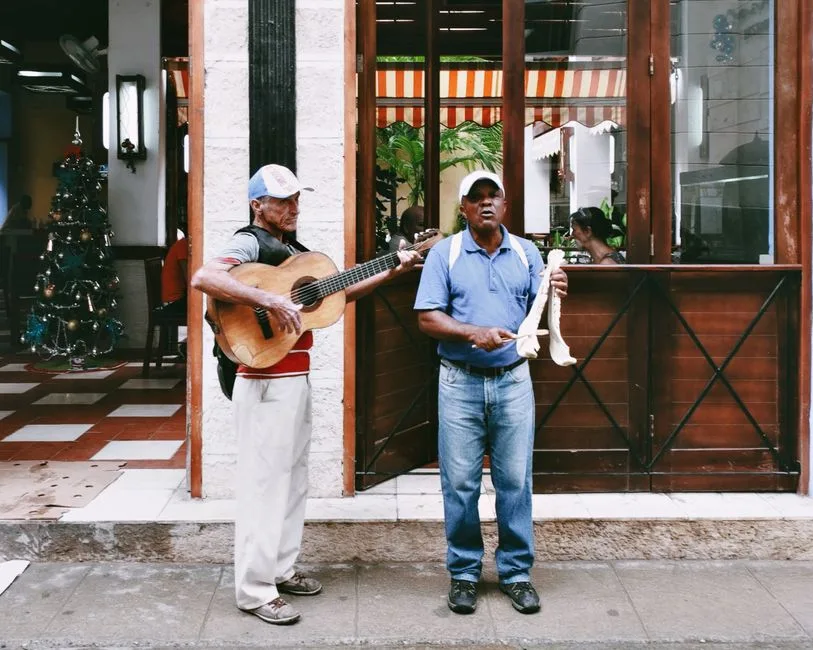
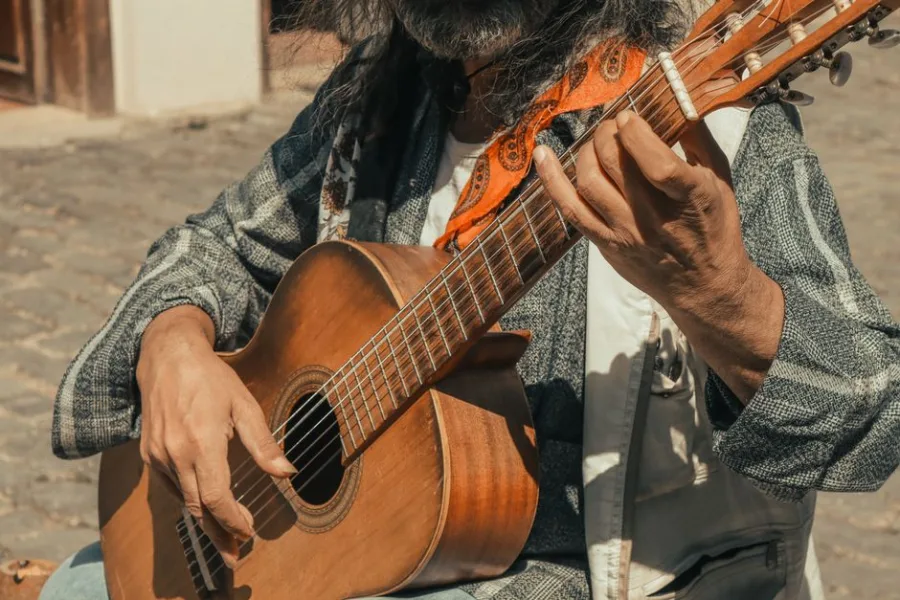
Zouk, which emerged in the 1980s from the island of Martinique and quickly spread to Guadeloupe, is another staple of street performances. Its smooth, dance‑able beat is usually rendered on electronic keyboards, bass guitars and a drum kit, but many street musicians adapt the style to acoustic instruments, using a simple acoustic guitar and a portable speaker. You may also hear biguine, a swing‑like genre that predates zouk, and reggae or dancehall tracks filtered through local Creole lyrics. The coexistence of these styles illustrates the island’s layered cultural history: French colonial influence, African heritage, and Caribbean regional exchange.
Listening Etiquette and Tips
Because the music is part of people’s livelihoods, a modest tip in cash is appreciated if you stop to listen for a few minutes. Small change in euros or the local Guadeloupe franc (still used informally) is sufficient; the gesture acknowledges the performer’s effort without creating a formal transaction. Keep a respectful distance from the instruments, especially the drums, which are often tuned by hand during the performance. Avoid stepping onto the pavement where a musician is set up, and do not block foot traffic in busy market aisles. If you wish to record, ask politely first; many performers are happy to share a short video, but some prefer to keep the moment private.
Public transport makes it easy to follow the music trail. The regional bus network (Réseau Caribéen) connects Pointe‑à‑Pitre, Basse‑Terre, Le Gosier and other communes, and most routes pass near the market areas where street music thrives. Buses run from early morning until the evening, and the fare is a flat rate payable in cash. Taxis are also available, but they tend to charge by the kilometre and may not stop at every small square where a musician is playing. For visitors who prefer flexibility, renting a car is common, but be aware that driving is on the right‑hand side and that narrow streets in historic districts can be challenging for larger vehicles.
Beyond the Streets: Cultural Connections
Street music is a gateway to deeper cultural experiences in Guadeloupe. The same rhythms you hear on a sidewalk often echo in community festivals such as the Fête de la Musique in June, where municipal stages host larger ensembles of gwo ka and zouk. Museums in Basse‑Terre, such as the Musée Saint‑Claude, feature exhibits on the island’s musical evolution, and local cultural centres offer workshops on drumming techniques. While these institutions are not street venues, they provide context that enriches the spontaneous performances you encounter daily.
Understanding the linguistic backdrop also enhances appreciation. French is the official language and is used in signage, administration and most formal communication. Antillean Creole, however, is the language of everyday conversation and of many song lyrics. Even if you do not speak Creole, the emotive power of the music transcends language, and a smile or a nod is often enough to signal your enjoyment.
Finally, remember that the climate influences when and where musicians gather. The dry season, from December to May, brings clearer evenings and more foot traffic in market areas, while the rainy season (June to November) can shift performances to covered spaces such as the arches of the market hall or the sheltered steps of churches. Planning your strolls around these seasonal patterns can increase the likelihood of encountering a lively jam session.
In sum, the streets of Guadeloupe function as an open‑air concert hall where French‑Caribbean identity is expressed in rhythm, language and community interaction. By moving through Pointe‑à‑Pitre’s bustling market, pausing at Basse‑Terre’s historic squares, and listening attentively to the drums and guitars that accompany daily life, travelers gain a direct, unfiltered view of the island’s blended heritage. The experience is both simple and profound: a reminder that culture lives not only in museums or theatres, but in the everyday sounds that accompany a walk down a Caribbean street.
Travel information can change. Confirm current entry requirements, opening hours and local guidance with official sources before your trip.
Comments 0
Share a helpful thought or question. Comments appear after review.
Be the first to share a thoughtful comment.
Leave a comment
Your email will not be displayed. Please keep comments relevant and respectful.