

- Destination
- Al Bayda, Yemen
- Collection
- Culture
- Reading time
- 3 min
- Updated
- Nov 10, 2026
Introduction
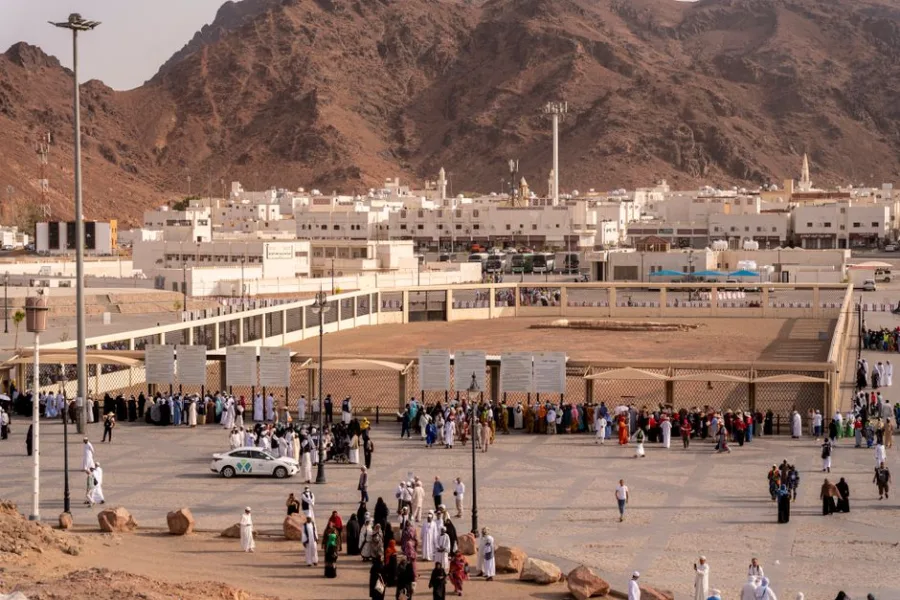
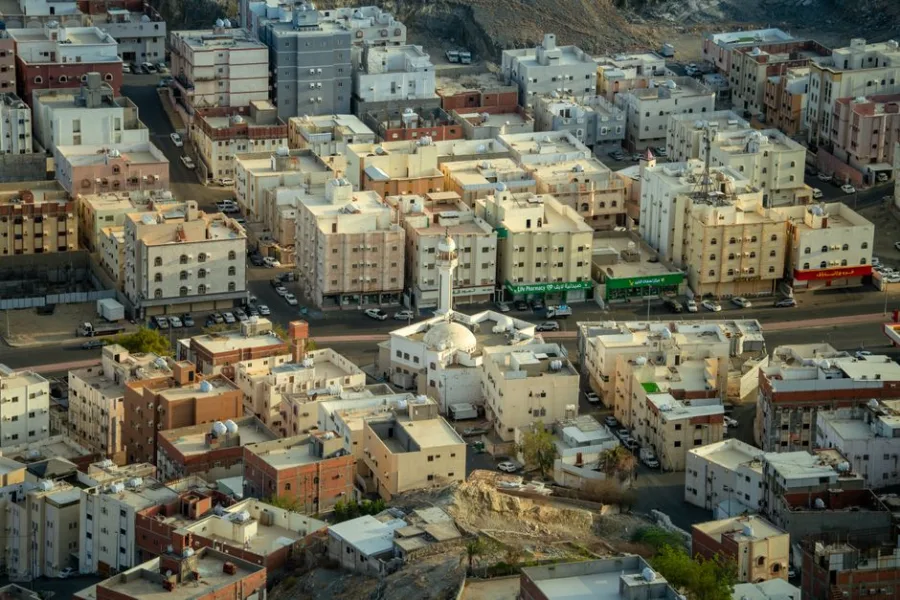
Al Bayda, the capital of Al Bayda Governorate in central Yemen, is perched on a plateau surrounded by rugged hills. While the city has modern government buildings, its most distinctive feature is the modest stone houses that line the old streets of the administrative district. These homes, built from locally quarried limestone, are not grand palaces but practical dwellings that have evolved to suit the climate, the terrain, and the social fabric of the community.

Architectural Features
The typical house consists of a rectangular ground‑floor room, a small upper level, and a central courtyard that opens to the sky. Thick stone walls keep interiors cool in summer and retain heat during winter nights. Windows are narrow, often fitted with wooden shutters that can be angled to let in a breeze while preserving privacy. The roofs are flat, sometimes used for drying produce or for a brief evening rest. The use of stone is both a response to the availability of material and a cultural expression of durability; families often add a new stone block when a child is born, symbolising growth.

Social Spaces
In Al Bayda the courtyard, or sufra, is the heart of the home. It is where families gather for meals, where children play, and where neighbors stop by for a quick cup of tea. Because the houses are built close together, the courtyards are visible from the street, turning a private space into a semi‑public stage for daily interaction. Spontaneous visits are common, and a knock on the wooden door is often answered with a warm invitation to sit on the low benches that line the courtyard edge.
Daily Interactions
The layout of the stone houses shapes the rhythm of the day. Early mornings see women stepping out onto the courtyard to wash vegetables in a communal basin, while men linger on the street discussing the market or the latest news from the governorate capital. Afternoons are marked by the call to prayer, after which families reconvene in the sufra for a shared meal. Evenings bring a gentle coolness; residents sit on the flat roof or the courtyard steps, sipping shai and exchanging stories. The thick walls provide acoustic privacy, allowing conversations to flow without being overheard by passersby, yet the proximity of homes encourages a sense of belonging.

Observing the Rhythm
For a visitor, understanding the role of these stone houses offers a window into Al Bayda’s communal ethos. Respect for the quiet interior spaces is essential; it is customary to remove shoes before entering and to keep voices low. When invited, sharing a cup of coffee or tea is a sign of hospitality, and it is polite to accept even a small offering. The interconnected courtyards mean that a single conversation can ripple through several households, reinforcing social bonds that have been maintained for generations.
In summary, the modest stone houses of Al Bayda are more than shelter; they are the scaffolding of daily life, shaping how residents greet each other, share resources, and maintain a collective identity amidst a challenging environment.

Travel information can change. Confirm current entry requirements, opening hours and local guidance with official sources before your trip.




Comments 0
Share a helpful thought or question. Comments appear after review.
Be the first to share a thoughtful comment.
Leave a comment
Your email will not be displayed. Please keep comments relevant and respectful.