
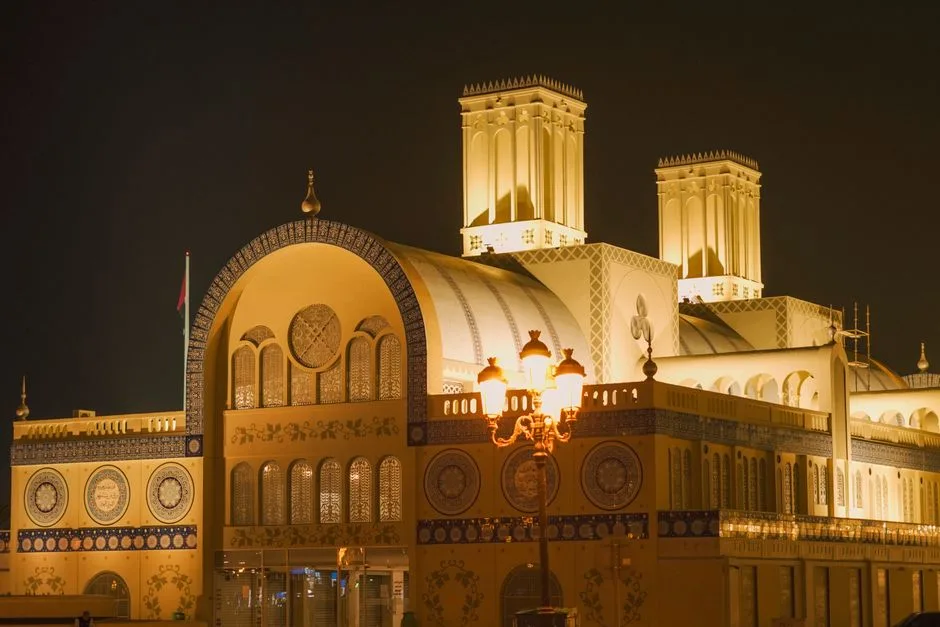
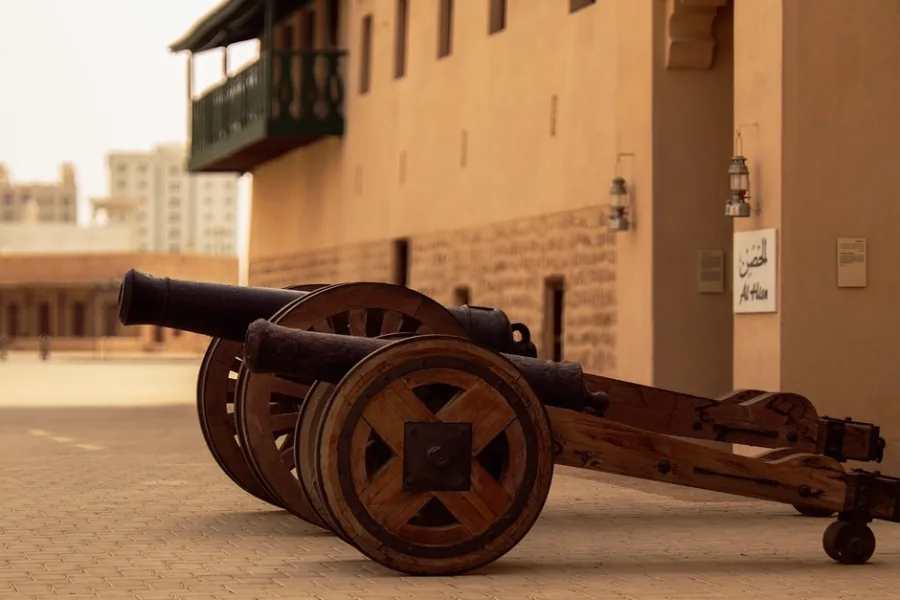
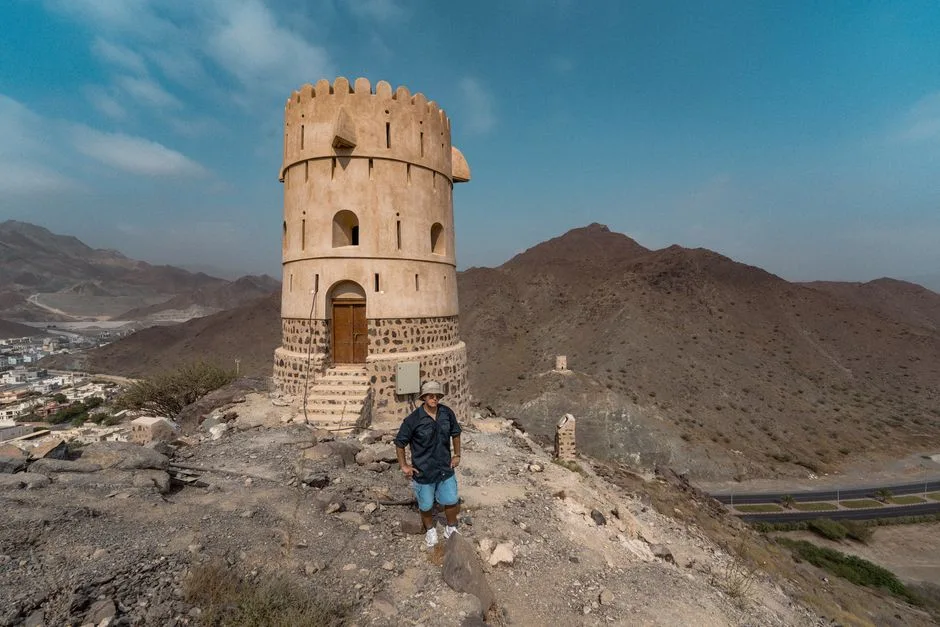
Historical Overview Sharjah, one of the seven emirates that form the United Arab Emirates, has long served as a cultural crossroads between the Arabian Gulf and the wider Indian Ocean world. Its strategic position encouraged trade, scholarship and artistic exchange long before the modern federation was established in 1971. The old city, centered around the Al Qasba district, still retains narrow lanes, wind‑towered houses and the iconic Al Hisn (Sharjah Fort), which dates back to the early 19th century. The fort’s thick mud‑brick walls and watchtowers illustrate the defensive architecture that protected the settlement from regional rivalries. Over the decades, Sharjah’s rulers have emphasized cultural development, positioning the emirate as the UAE’s “cultural capital.” This policy has shaped the preservation of historic neighborhoods and the establishment of institutions that celebrate the emirate’s heritage.
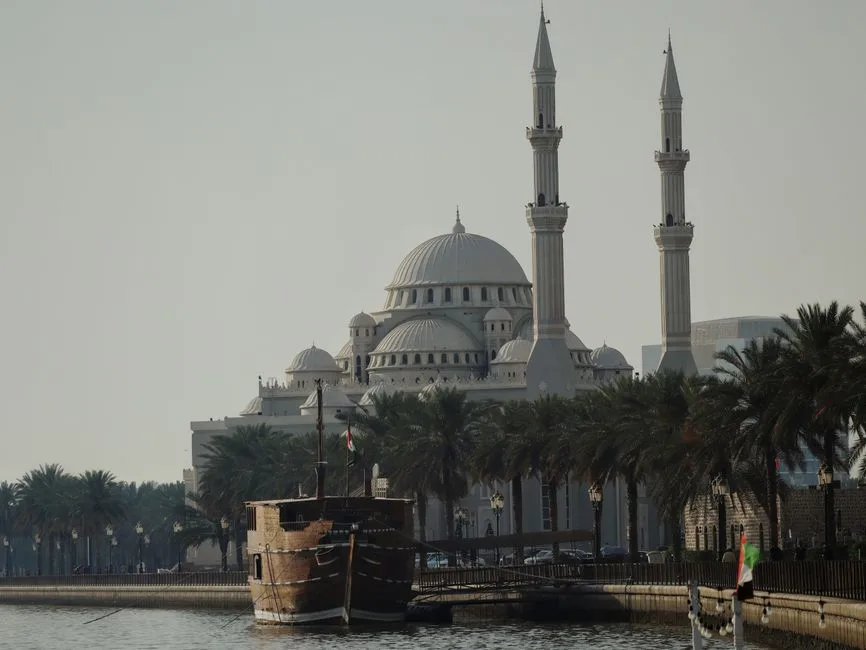
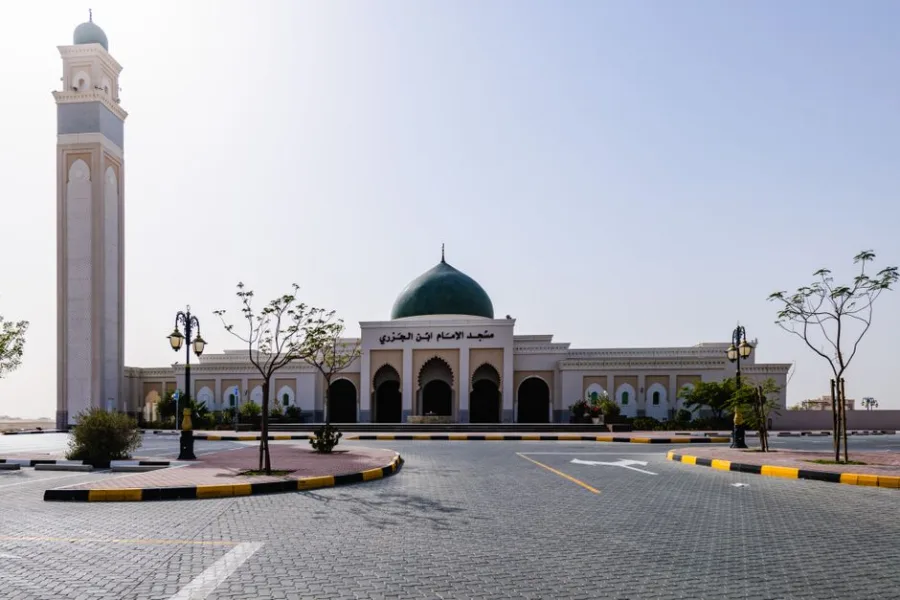
Museums and Heritage Sites Sharjah’s museum network is among the most extensive in the Gulf. The Sharjah Museum of Islamic Civilization, housed in a purpose‑built complex near the Al Qasba waterfront, displays artifacts ranging from Qur’anic manuscripts to scientific instruments, illustrating the breadth of Islamic contributions to art and knowledge. Adjacent to it, the Sharjah Art Museum presents collections of modern Arab art, providing a dialogue between contemporary creators and historic traditions. The Sharjah Heritage Area, officially designated as a UNESCO World Heritage Site, clusters restored traditional houses, a souk, and the Sharjah Heritage Museum, which interprets daily life in the emirate before oil wealth transformed the region. The Al Noor Mosque, though primarily a place of worship, also welcomes guided tours that explain Islamic architectural motifs and the role of the mosque in community life. Each venue offers multilingual information, allowing visitors to engage with the material without relying on speculative anecdotes.
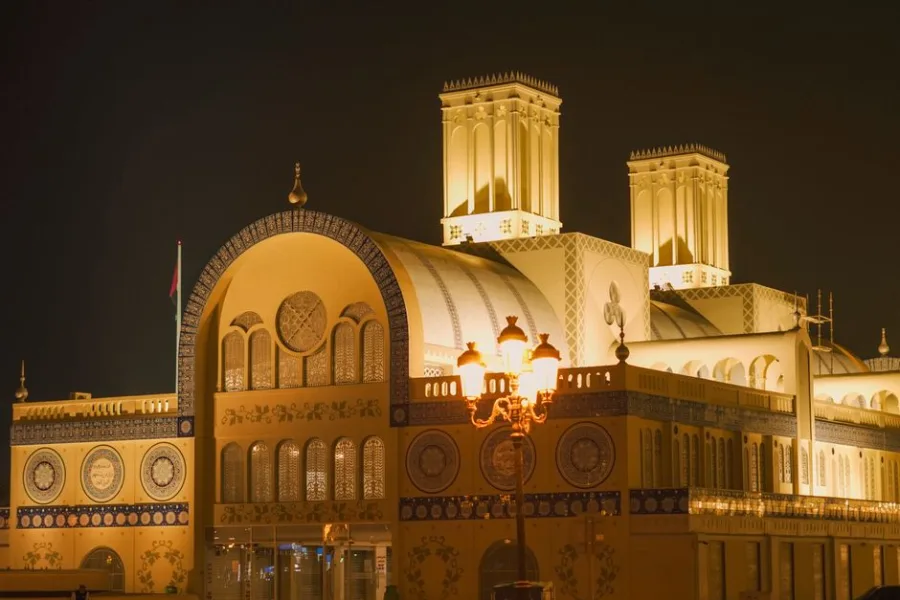
Traditional Arts and Crafts Handicrafts remain a vibrant part of Sharjah’s cultural economy. The emirate is renowned for its pottery, especially the distinctive blue‑and‑white ceramics produced in the town of Al Qasba. Artisans continue to use age‑old wheel‑throwing techniques, and the finished pieces are sold in the Central Souk, where shoppers can observe the process through open workshops. Weaving and embroidery, particularly the intricate tatreez patterns stitched onto garments, are taught in community centres supported by the Sharjah Department of Culture. These patterns often convey stories of family lineage or local folklore, linking personal identity to broader cultural narratives. Likewise, traditional music ensembles, featuring the oud, qanun and darbuka, perform regularly at cultural festivals and in public squares, preserving the oral traditions that have accompanied Emirati life for generations.
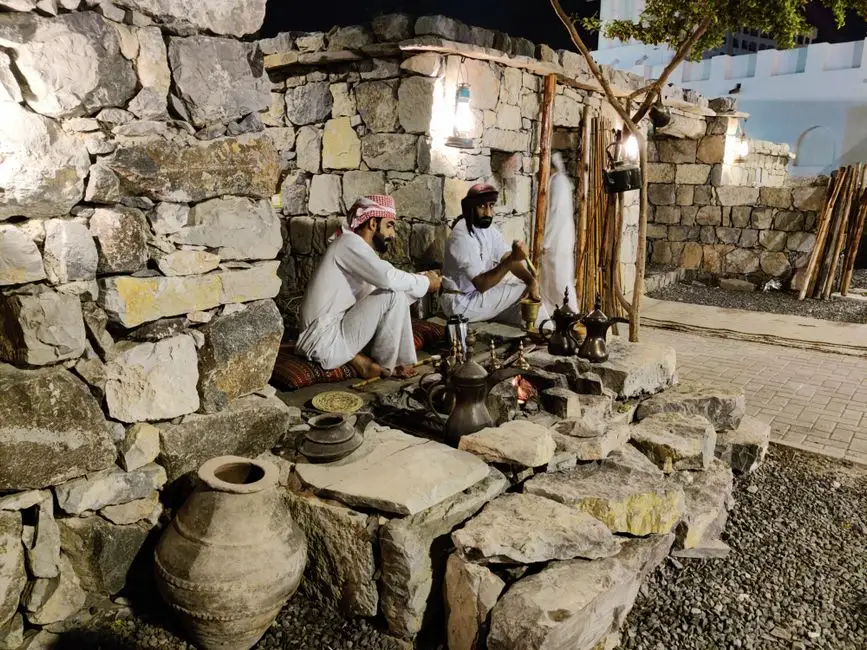
Cultural Events and Preservation Efforts Sharjah’s calendar includes several recurring events that showcase its heritage without relying on temporary exhibitions. The Sharjah International Book Fair, held annually at the Expo Centre, attracts authors, publishers and readers from across the Arab world, reinforcing the emirate’s reputation as a hub for literary exchange. The Sharjah Light Festival, which illuminates historic buildings with projected art, creates a visual dialogue between past and present while encouraging public appreciation of architectural landmarks. In addition, the Sharjah Heritage Preservation Committee works with local families to document oral histories, restore endangered structures, and promote sustainable tourism practices. By prioritising community involvement, the emirate ensures that cultural transmission remains a lived experience rather than a museum‑only narrative.
These layers of history, institutional support and active craftsmanship combine to make Sharjah a distinctive destination for travelers seeking authentic insight into Emirati culture. Whether wandering the fortified alleys of the old town, exploring world‑class museums, or watching a master potter shape clay, visitors encounter a living heritage that continues to evolve while honoring its roots.
Travel information can change. Confirm current entry requirements, opening hours and local guidance with official sources before your trip.

Comments 0
Share a helpful thought or question. Comments appear after review.
Be the first to share a thoughtful comment.
Leave a comment
Your email will not be displayed. Please keep comments relevant and respectful.