

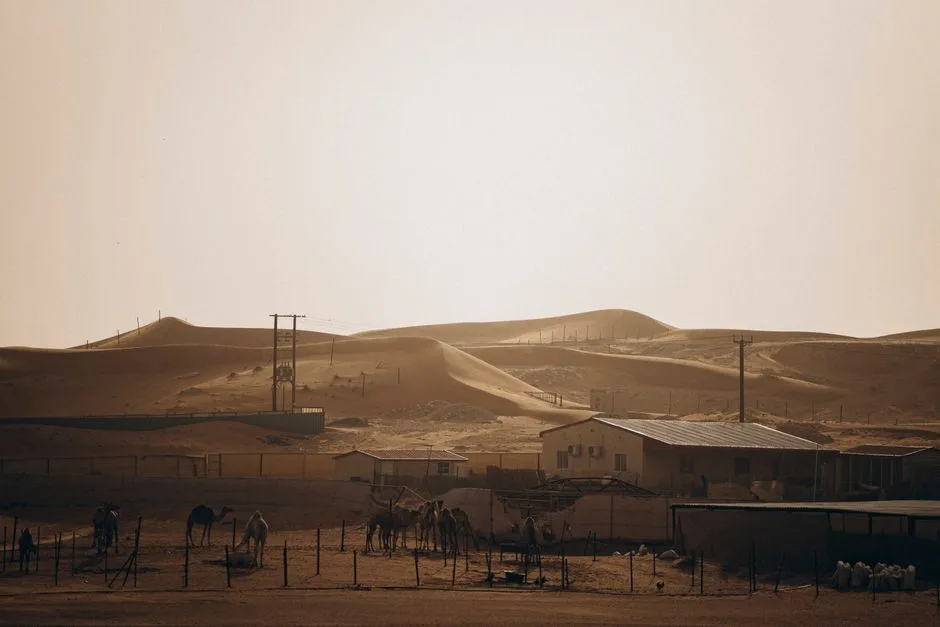
Desert Ingredients Al Madam sits on the edge of Sharjah’s arid interior, where date palms stretch across the landscape. Dates are more than a snack; they are a staple used in sweet and savory dishes, from stuffed pastries to slow‑cooked stews that benefit from their natural sweetness. Camel milk, another product of the desert, is widely consumed for its nutritional value and appears in traditional drinks and desserts. The region’s limited water sources have also encouraged the use of dried herbs such as za'atar and dried lime, which add bright acidity to meat and rice dishes.
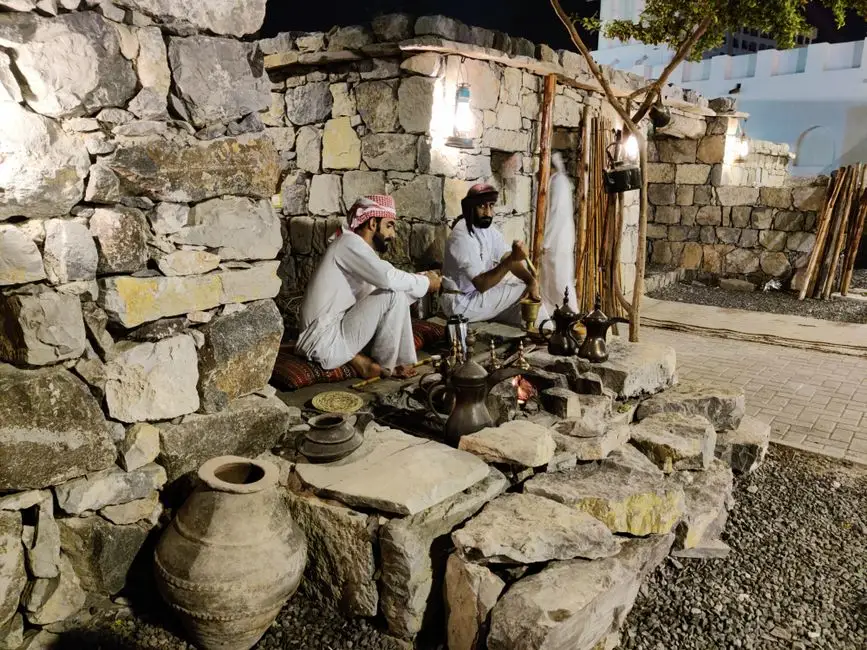

Traditional Dishes Sharjah’s Emirati cuisine is characterised by hearty, communal meals. In Al Madam, visitors will encounter machboos – a spiced rice dish cooked with chicken, goat, or fish, seasoned with loomi (dried lime), saffron, and a blend of local spices. Harees, a slow‑cooked wheat and meat porridge, reflects Bedouin roots and is often served during Ramadan and festive occasions. Thareed, sometimes described as an Arab lasagna, layers flatbread with vegetables and meat broth, absorbing flavors over hours of simmering. For a sweet finish, luqaimat – small, deep‑fried dough balls drizzled with date syrup – are a common treat, especially when paired with a cup of Arabic coffee infused with cardamom.
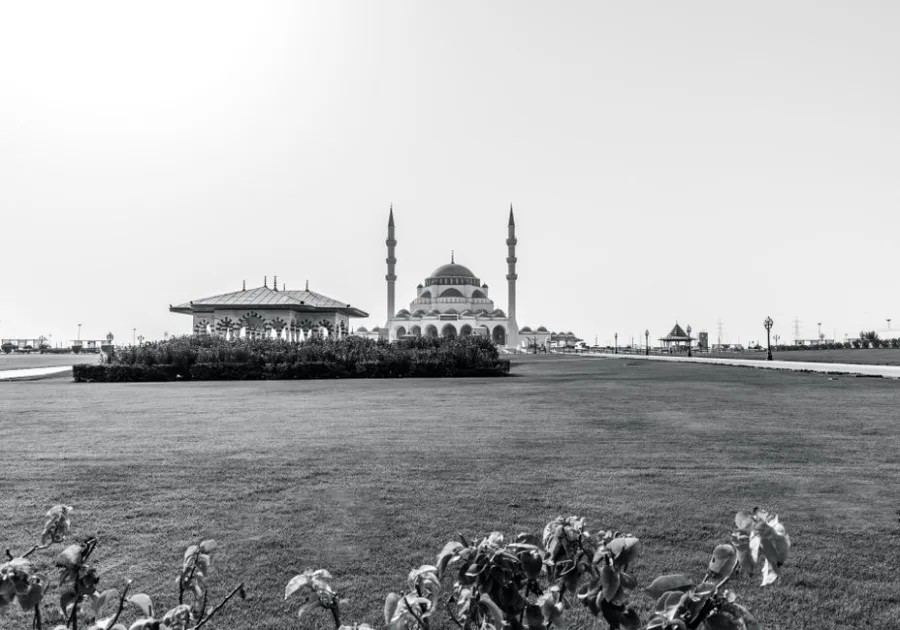
Local Eating Settings Meals in Al Madam are typically enjoyed in modest family‑run eateries or at roadside cafés that serve simple, home‑style fare. These venues often feature open‑air seating, allowing diners to feel the desert breeze while sharing large platters. The practice of serving food on large communal trays encourages conversation and reflects the Emirati value of hospitality. In addition, many local families host guests in their homes, offering dishes prepared from recipes passed down through generations. Such experiences provide insight into the rhythms of daily life, where meals are timed around prayer and work schedules.

Seasonal Influences The timing of harvests influences the menu. During the date‑picking season, roughly from August to October, fresh dates appear in salads, stuffed pastries, and as a garnish for rice dishes. Cooler winter evenings bring heartier stews, as the desert temperature drops after sundown. Conversely, the summer months see lighter fare, such as grilled fish from nearby coastal towns, served with fresh lemon and a side of cucumber‑yogurt salad to counter the heat.

Preserving Tradition Amid Change While Al Madam remains a small desert settlement, modern transportation links to Sharjah city and Dubai have introduced new culinary influences. Yet, the core of the local food culture remains anchored in traditional ingredients and cooking methods. Community events, such as the annual date festival held in nearby Al Dhaid, reinforce the importance of preserving these culinary practices. Residents continue to teach younger generations the art of spice blending, dough preparation, and the etiquette of sharing meals, ensuring that Al Madam’s food traditions endure.
Exploring Al Madam’s food scene offers more than taste; it provides a window into the desert’s adaptive lifestyle, where scarcity has fostered creativity and generosity. Whether sampling a simple bowl of machboos or joining a family for a shared thareed, travelers gain an authentic appreciation for the ways regional cuisine reflects the land, its history, and its people.

Travel information can change. Confirm current entry requirements, opening hours and local guidance with official sources before your trip.

Comments 0
Share a helpful thought or question. Comments appear after review.
Be the first to share a thoughtful comment.
Leave a comment
Your email will not be displayed. Please keep comments relevant and respectful.