
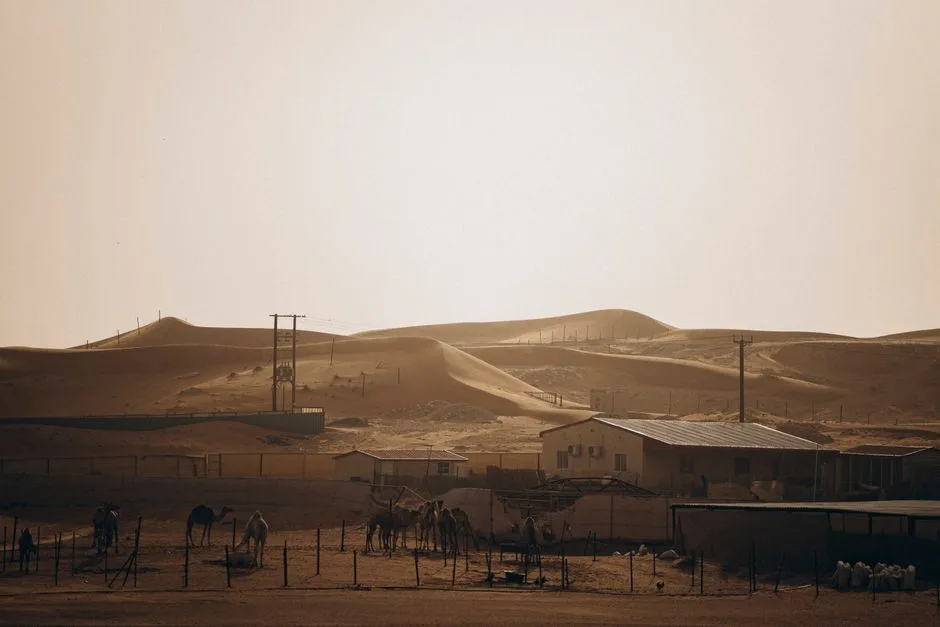
Bedouin Roots and Date Harvests
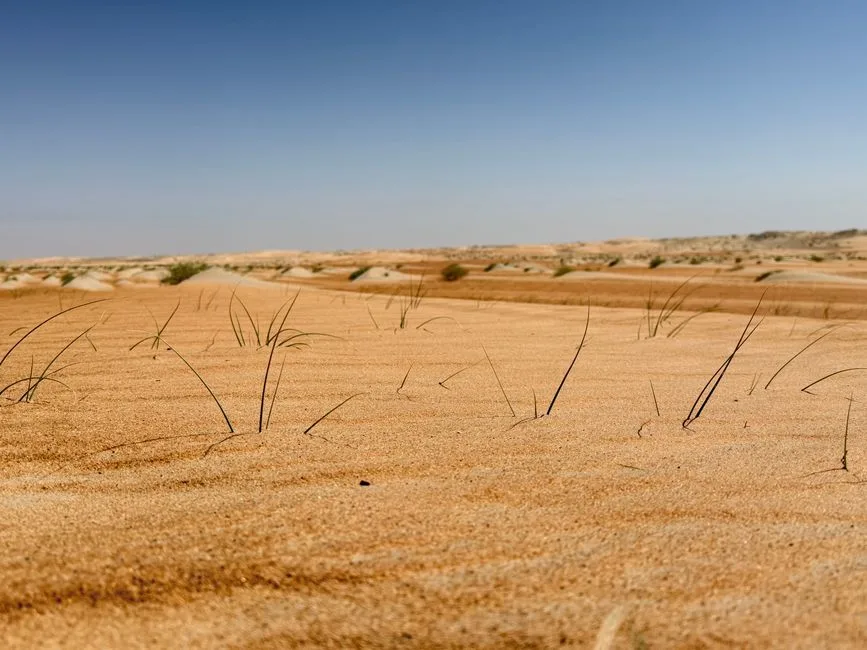
The Al Dhafra region stretches across the desert interior of Abu Dhabi, where the Liwa Oasis and surrounding settlements have cultivated date palms for centuries. Dates are more than a snack; they form the backbone of many traditional meals. Fresh dates are served at the end of a family gathering, while dried varieties are ground into a paste that sweetens harees, a slow‑cooked wheat and meat porridge. The seasonal date‑picking festivals, known locally as “Al‑Rashid,” bring together Bedouin families to harvest the fruit, share stories, and prepare simple desserts such as “khabeesa” – a sweet blend of dates, butter, and cardamom. The abundance of dates also supports the production of “tamri,” a fermented drink made from date juice, which is consumed during hot summer months. In addition, date‑infused coffee, or “gahwa,” is offered to guests as a sign of hospitality.
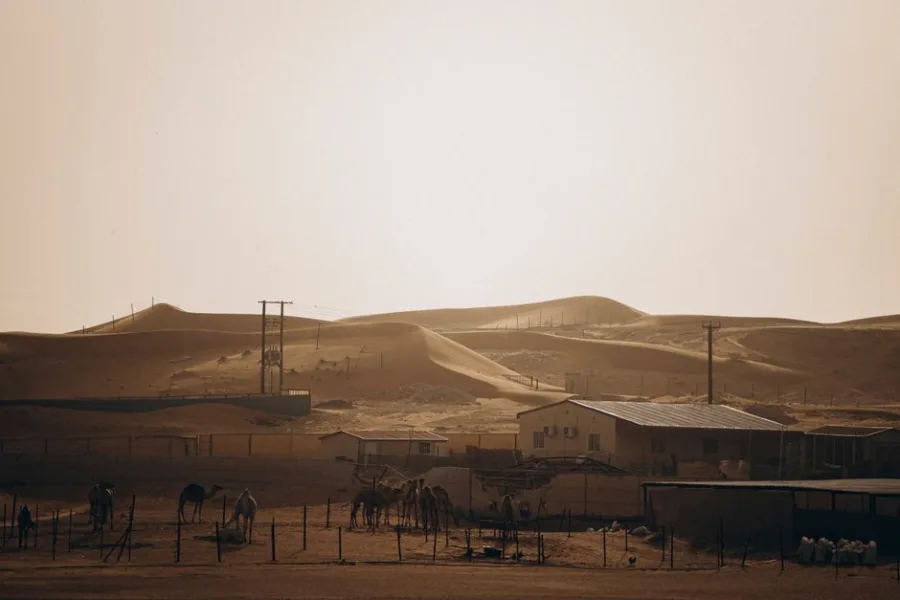
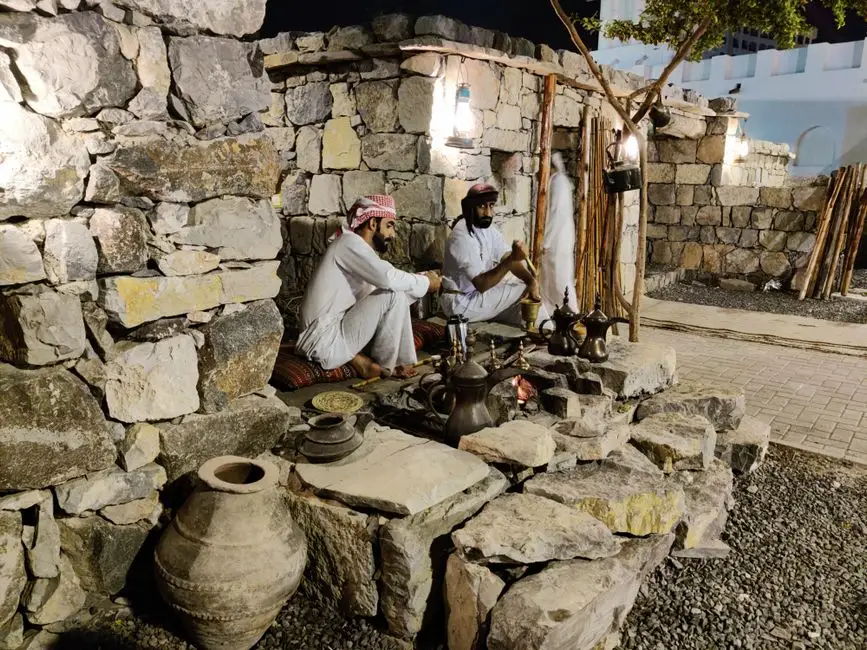
Coastal Catch: Seafood Traditions
Although Al Dhafra is largely desert, its western coastline along the Arabian Gulf provides a contrasting culinary influence. Small fishing villages such as Al Jazirah Al Hamra and the islands of Sir Bani Yas rely on shrimp, kingfish, and hammour (grouper). The catch is often grilled over open coals, seasoned with a modest mix of sea salt, lemon, and a dash of “zatar” (a local spice blend). A hallmark dish is fish machboos, where rice is cooked with aromatic spices, dried lemon (loomi), and a generous portion of fresh fish, allowing the sea flavors to permeate the grain. For a lighter option, “samak mashwi” – whole fish wrapped in banana leaves and baked – showcases the natural sweetness of the seafood without heavy sauces. Seasonal crab and lobster from the nearby islands also appear in festive stews, though they are reserved for special occasions.
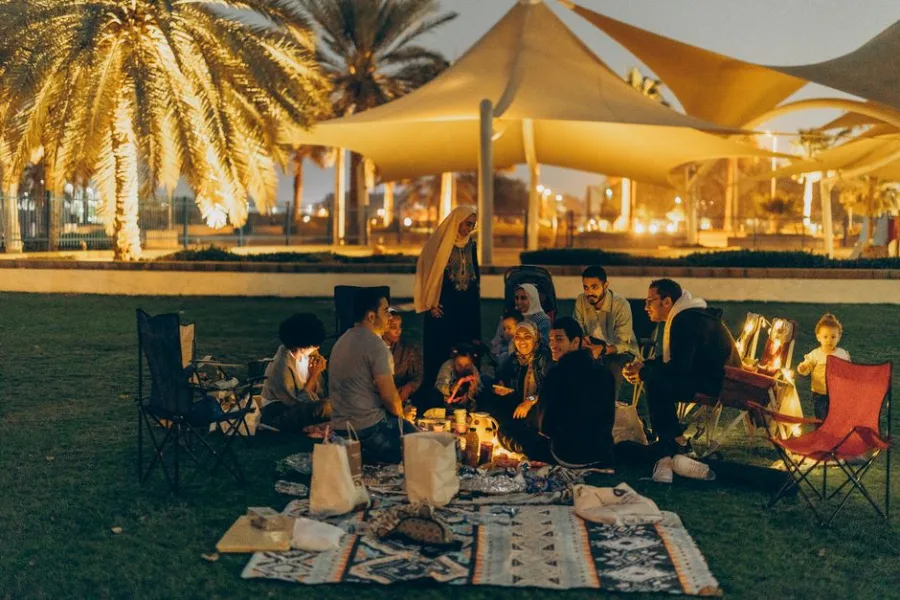
Signature Dishes of Al Dhafra
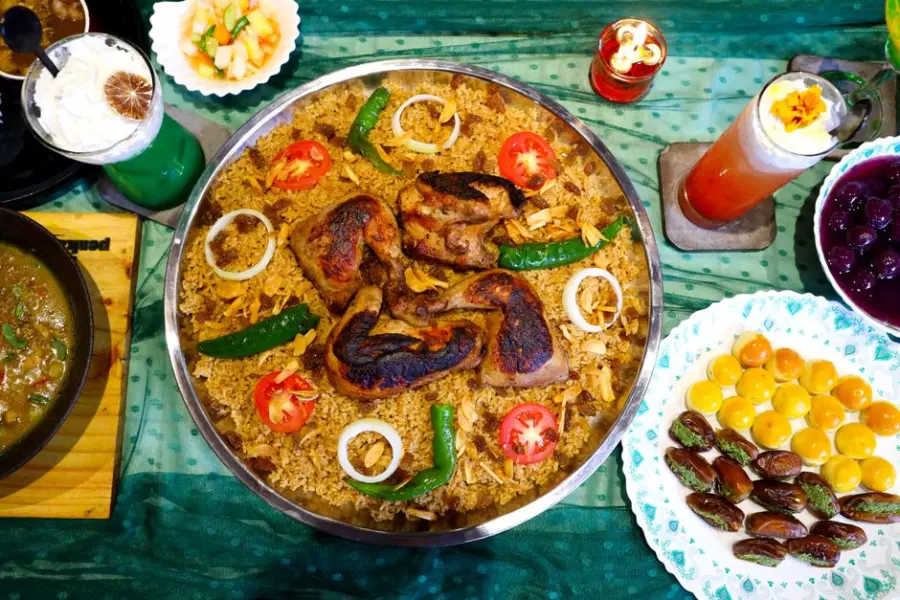
Beyond dates and fish, Al Dhafra’s kitchen reflects Bedouin hospitality and the practical needs of desert life. Harees, mentioned earlier, is often prepared for Ramadan and Eid, with lamb or camel meat simmered for hours until the wheat loses its grainy texture. Camel meat, when available, appears in “thareed,” a stew of flatbread pieces, vegetables, and tender camel cubes, reminiscent of a desert‑style casserole. Another staple is “balaleet,” a sweet‑savory noodle dish flavored with saffron, cardamom, and a topping of fried egg, commonly served at breakfast. For dessert, “luqaimat” – small fried dough balls drizzled with date syrup – are a favorite at community gatherings. These dishes are typically shared family‑style, reinforcing the communal nature of meals in Al Dhafra. Occasionally, a simple “sambousak” filled with spiced minced meat or cheese appears as an appetizer during evening gatherings.
Dining Experiences and Local Markets
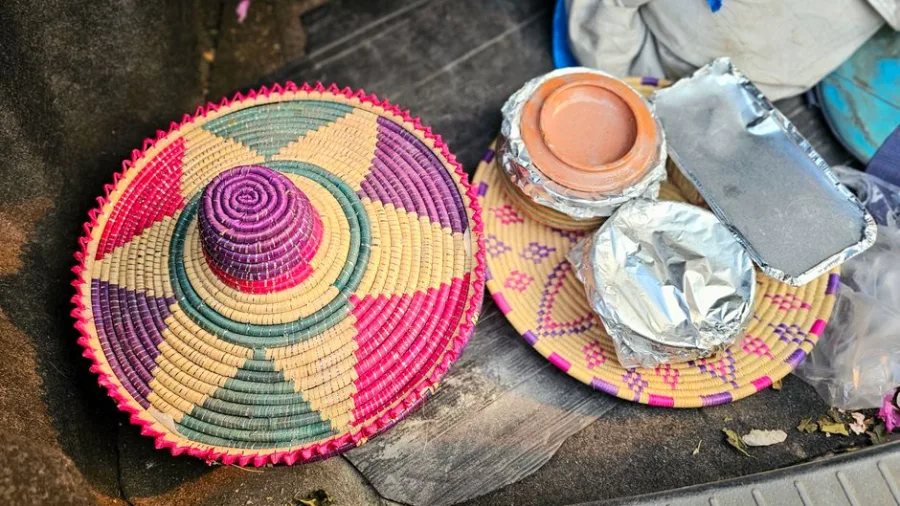
Visitors seeking authentic flavors will find them in the weekly souks of Madinat Zayed and Ghayathi, where stalls display fresh dates, locally caught fish, and spices such as “baharat” and “sumac.” While formal restaurants are limited, many families host “majlis” meals in shaded tents, inviting neighbors to partake in a spread that mirrors the dishes described above. The simplicity of the setting – low tables, woven mats, and the occasional sound of a camel bell – allows the food itself to take center stage. Travelers are encouraged to respect local customs, such as waiting for the host to begin eating and using the right hand for communal dishes. Seasonal market visits also offer an opportunity to purchase raw ingredients directly from farmers, ensuring the freshest possible experience of Al Dhafra’s culinary heritage.
Travel information can change. Confirm current entry requirements, opening hours and local guidance with official sources before your trip.