
Understanding the Market Context
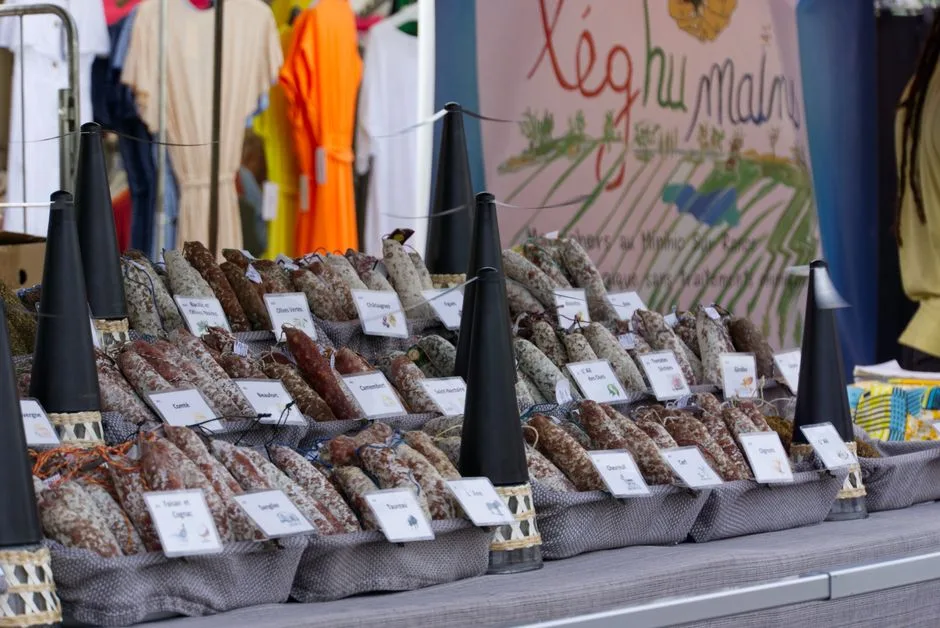
Tubuai, the largest island of the Austral archipelago, is administered as the commune of Tubuai within French Polynesia. The island’s principal settlement, Mataura, hosts a modest weekly market where local producers gather to sell fresh fish, tropical fruits, handmade crafts, and traditional dishes. The market is not a tourist‑focused bazaar; it is a community hub where residents meet, exchange news, and sustain their livelihoods. Approaching the market with this social purpose in mind helps set the right tone for respectful interaction.

Polite Greetings and Body Language
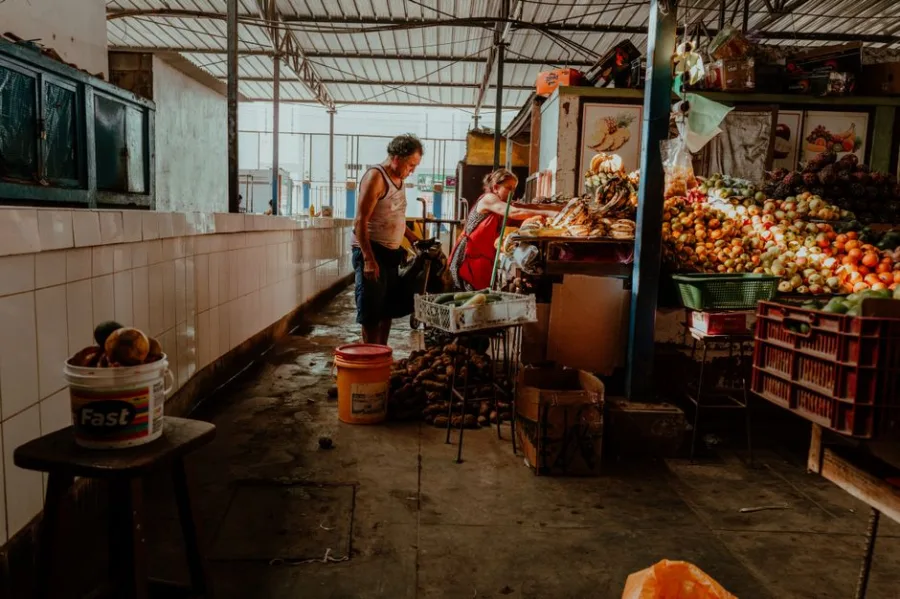
Politeness begins with a simple greeting. In French Polynesia, a friendly "Bonjour" or "Bonsoir" (depending on the time of day) is universally appreciated. Many islanders also speak Tahitian, so a brief "Ia ora na" (hello) can convey genuine interest in the local language. Make eye contact, smile, and keep your voice at a moderate volume; the market is a lively but intimate space, and loud or abrupt speech can be perceived as disruptive.
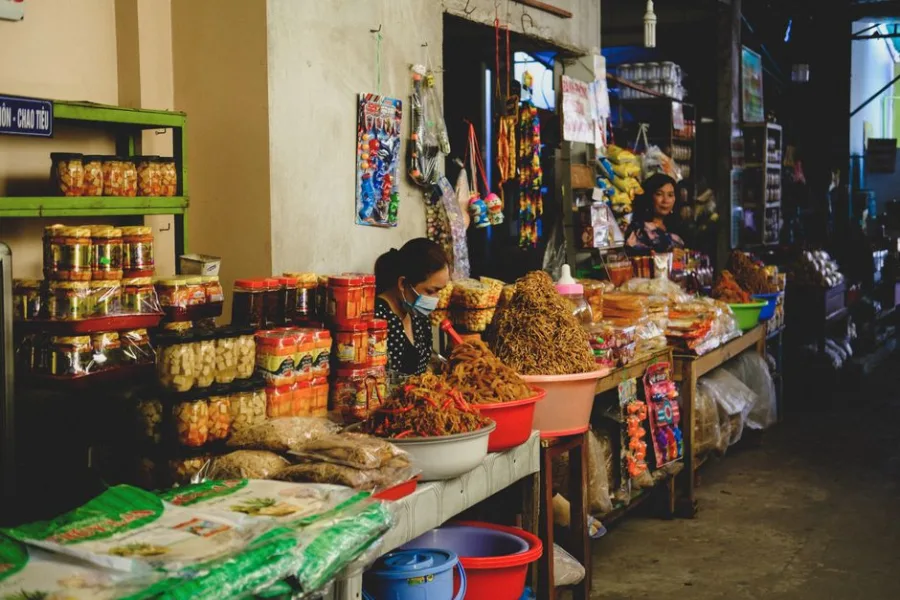
When you approach a stall, pause briefly before speaking. This pause signals that you respect the vendor’s time and gives them a moment to prepare. Avoid touching merchandise without permission—especially woven items or fresh produce—unless the vendor invites you to do so. If you are unsure, a courteous "May I look?" or "Can I touch this?" is appropriate. Hand gestures should be open and relaxed; pointing directly at a product can feel aggressive, so use an open palm to indicate interest.

Buying and Sampling Local Foods
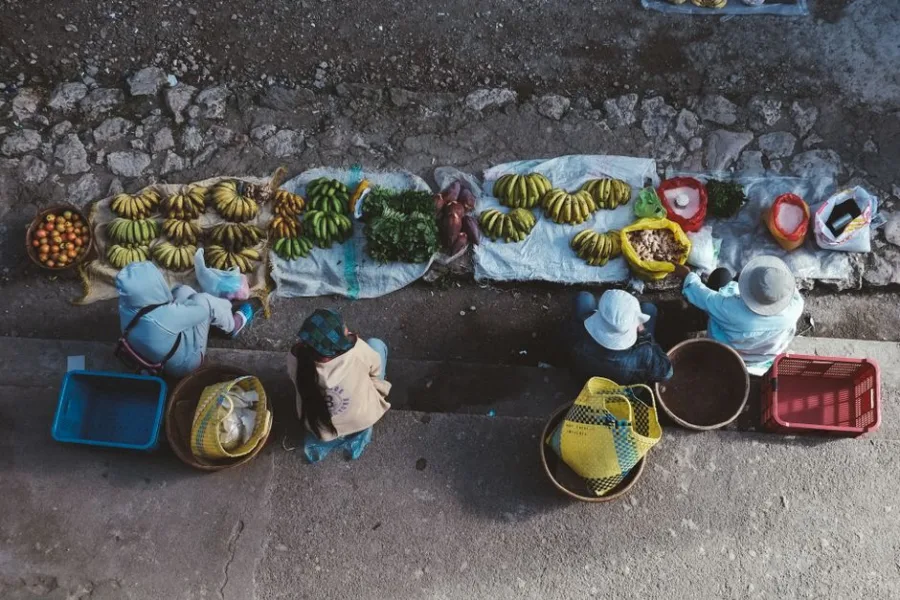
Tubuai’s market offers a range of foods that reflect the island’s marine and agricultural bounty. Fresh catch such as mahi‑mahi, tuna, and reef fish are often displayed on ice, while tropical fruits like papaya, mango, and breadfruit are presented in vibrant piles. Small prepared dishes—often served on banana leaves—may be offered for tasting.
When you wish to try a sample, ask politely: "May I try a bite?" or "Is it possible to taste a small portion?" Vendors are generally happy to share, especially if you show genuine curiosity about the ingredients and preparation methods. If a vendor declines, accept the response graciously and move on; refusing a sample is not a reflection on you but may be due to health regulations or limited supply.
If you decide to purchase, use the local currency (CFP franc) and have exact change when possible. Hand the money directly to the vendor rather than placing it on the counter, as this maintains a personal exchange. After the transaction, a simple "Merci beaucoup" (thank you very much) reinforces appreciation. For packaged goods, ask if the vendor can provide a reusable bag; many islanders are mindful of plastic waste, and bringing your own bag is seen as environmentally respectful.

Leaving a Positive Impression
Respectful market etiquette extends beyond the point of sale. After you have finished sampling or buying, take a moment to thank the vendor again and perhaps comment on what you enjoyed: "The mango is wonderfully sweet" or "The fish is very fresh, thank you." Such feedback is valuable to small‑scale producers who rely on word‑of‑mouth reputation.
When leaving the market area, avoid littering and be mindful of your footprints. If you notice stray items or debris, consider picking them up if it is safe to do so; many visitors are welcomed for helping keep the market tidy. Finally, remember that the market is a living part of Tubuai’s cultural fabric. By approaching each stall with humility, curiosity, and courtesy, you not only enjoy authentic flavors but also contribute to the island’s social harmony.
These guidelines are designed to help travelers engage meaningfully with Tubuai’s market community. By honoring local customs, you create a respectful exchange that benefits both visitors and the island’s hardworking vendors.
Travel information can change. Confirm current entry requirements, opening hours and local guidance with official sources before your trip.




Comments 0
Share a helpful thought or question. Comments appear after review.
Be the first to share a thoughtful comment.
Leave a comment
Your email will not be displayed. Please keep comments relevant and respectful.