
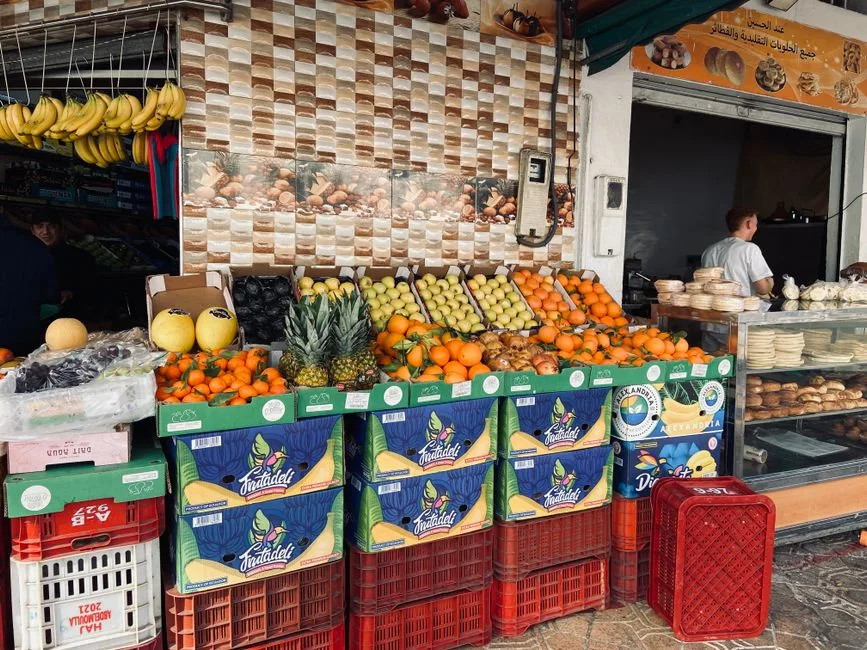
Climate and Water Constraints
Nyala Janoub sits on the southern edge of the Sahel, where annual rainfall rarely exceeds 300 mm and is concentrated in a short summer window. Most of the year the district experiences hot, dry winds that dry out soils and limit the availability of fresh water. Households therefore rely on a combination of shallow wells, rain‑catchment tanks, and, when the occasional wadis flow, seasonal surface water. The scarcity of water shapes every stage of food preparation: vegetables are often boiled briefly to preserve moisture, grains are pre‑soaked to reduce cooking time, and dishes are designed to stretch limited liquid resources.
Grain Selection and Preservation
The staple grains in Nyala Janoub are sorghum and millet, both of which tolerate the low‑fertility soils and erratic rains of the Sahel. Wheat is imported but remains a secondary staple because of its higher cost and greater water demand. Families harvest sorghum and millet at the end of the rainy season and store the dried kernels in earthen granaries that protect against pests and humidity. To extend shelf life, grains are often pounded into flour and mixed with a small amount of ash, a traditional method that reduces spoilage. The resulting flour forms the basis of several everyday dishes, most notably aseeda – a thick porridge that can be thinned with water or broth to feed large families.
Cooking Techniques Adapted to Fuel Availability
Electricity in Nyala Janoub is intermittent, so most households cook over open fire or charcoal. Clay ovens, known locally as "tannur," are common in rural compounds; they retain heat for hours and allow breads such as kisra to bake without continuous fuel input. Metal pots with thick bases are preferred for simmering stews because they distribute heat evenly and reduce the amount of firewood needed. When firewood is scarce, families turn to dried animal dung briquettes, which burn slowly and produce a steady heat. In recent years, a few NGOs have introduced solar cookers, but their use remains limited to households with the means to acquire and maintain the equipment.
Communal Meals and Seasonal Variations
Because water and fresh produce are limited, meals in Nyala Janoub emphasize preservation and communal sharing. A typical lunch may begin with a bowl of aseeda, followed by a mullah – a tomato‑based stew enriched with dried okra, dried fish or goat meat, and a handful of locally grown leafy greens such as molokhia when they are available. Dried okra, known as "bamia," is rehydrated in the stew, providing texture and a source of fiber without requiring fresh harvests. When the short rainy season yields a modest crop of vegetables, families incorporate fresh pumpkin, carrots, or beans into the stew, extending the dish’s flavor profile.
Bread, especially kisra, is prepared in large batches and shared among extended family members. The thin, fermented flatbread is cooked on a hot metal griddle and used to scoop up stew, reducing the need for additional utensils. In larger gatherings, such as weddings or religious celebrations, a communal pot of aseeda is kept warm over a low fire for hours, allowing guests to serve themselves as they arrive.
Adaptation and Resilience in the Kitchen
The Sahelian environment forces cooks in Nyala Janoub to be resourceful. Limited water encourages the use of pre‑soaked grains and short cooking times, while fuel constraints favor slow‑cooking methods that maximize heat retention. Preservation techniques—drying, smoking, and ash treatment—ensure that protein sources like fish and goat meat remain available throughout the dry months. Moreover, the communal nature of meals reinforces social bonds, turning the challenges of scarcity into opportunities for shared labor and cultural continuity.
Overall, the everyday kitchen in Nyala Janoub reflects a delicate balance between the harsh Sahelian climate and the ingenuity of its residents. By selecting resilient crops, conserving water, and adapting cooking methods to the realities of fuel availability, households maintain a diet that is both nourishing and deeply rooted in the region’s environmental rhythms.
Travel information can change. Confirm current entry requirements, opening hours and local guidance with official sources before your trip.



Comments 0
Share a helpful thought or question. Comments appear after review.
Be the first to share a thoughtful comment.
Leave a comment
Your email will not be displayed. Please keep comments relevant and respectful.