

- Destination
- Puerto Rico
- Collection
- Food
- Reading time
- 3 min
- Updated
- Nov 6, 2026
Llanos Barrio, tucked on the southwestern edge of Lajas, Puerto Rico, is defined by a low‑lying coastal plain that meets the Caribbean Sea. The area’s fresh daily catch and the subtle brine of surrounding mangroves create a culinary backdrop that residents carry into their kitchens every night.

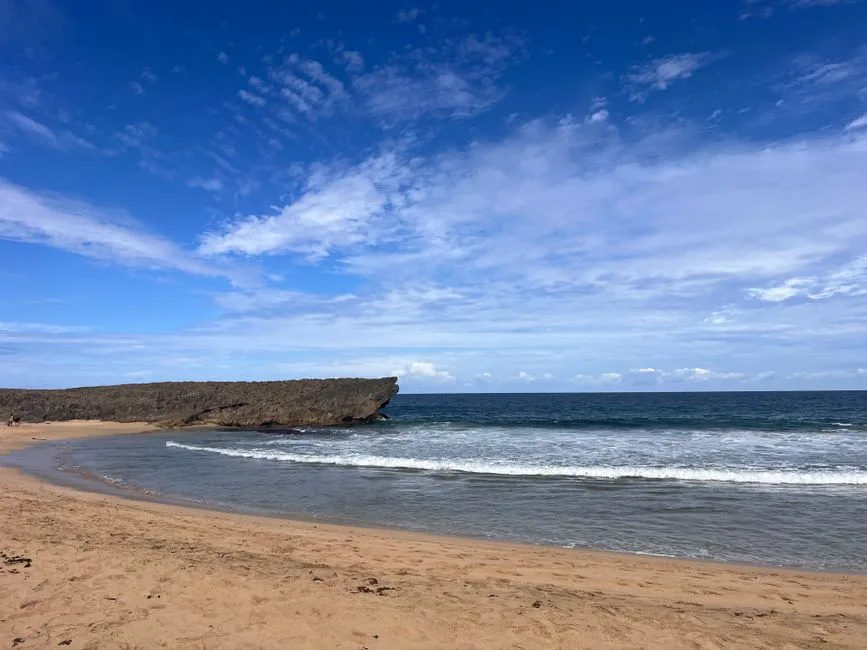
Coastal geography of Llanos Barrio
The shoreline of Llanos is a mosaic of tidal flats, shallow bays, and mangrove channels. These waters act as nurseries for a variety of fish and shellfish, from snapper and grouper to shrimp and blue crab. Because the flats are exposed at low tide, local fishers can wade out and use simple hand‑lines or small skiffs to bring in the morning’s haul. The mangrove roots also filter the water, lending a faint earthy note that many cooks describe as a mangrove‑influenced flavor in the seafood they prepare.

Daily catch and market flow
In the early hours, families often head to the modest roadside stalls that line the main road through Llanos. Vendors display the catch on ice, and the turnover is rapid—what isn’t sold by noon is usually gone. This immediacy means home cooks work with ingredients that have barely left the water, preserving texture and taste. Common species include pargo (red snapper), mero (grouper), sierra (kingfish), and the abundant camarón (shrimp). Seasonal variations are modest but noticeable; during the summer, larger pelagic fish appear, while the winter brings a higher proportion of crustaceans.

Home‑cooked dishes that reflect the sea
The everyday table in Llanos features a handful of reliable preparations, each highlighting the natural flavor of the catch.
- Pescado frito – Whole fish, usually snapper or kingfish, is seasoned with salt, a splash of lime, and a quick dusting of cornmeal before being deep‑fried in oil heated to a crisp golden. The result is a quick fry technique that yields flaky flesh and a crunchy skin.
- Arroz con camarones – A one‑pot rice dish where shrimp are sautéed with sofrito (a blend of onions, garlic, peppers, and tomatoes) and then simmered with rice, broth, and a pinch of recao (culantro). The herb adds a bright, slightly peppery finish that many locals consider essential.
- Ceviche de pescado – Fresh fish is cubed and “cooked” in citrus juice, mixed with diced onions, cilantro, and a hint of hot pepper. The acidity balances the natural sweetness of the fish, and the dish is served chilled, often with plantain chips.
- Cazuela de mariscos – A modest stew that combines shrimp, crab meat, and sometimes clams in a broth enriched with tomato, bell pepper, and a touch of coconut milk. The stew showcases the seasonal shellfish that are most plentiful after a high tide.
These recipes share a reliance on a simple sofrito base, which acts as the flavor foundation for many Puerto Rican dishes. By keeping the seasoning straightforward, the true character of the seafood shines through.

Seasonal rhythms and cooking tips
While Llanos enjoys a relatively stable supply of seafood year‑round, subtle shifts guide cooking decisions. After a strong northeasterly wind (the “norte”), the waters calm and fishers report larger pelagic catches; this is an ideal time for grilling whole fish on a charcoal fire. Conversely, during the rainy season, mangrove waters swell, bringing more crustaceans; stews and rice dishes become the preferred comfort foods.
A practical tip for home cooks is to taste the sea before seasoning. A pinch of salt and a squeeze of lime often suffice because the briny quality of the catch already carries the ocean’s essence. When frying, maintaining oil temperature around 350 °F prevents the fish from absorbing excess oil, preserving the delicate crumb.
In Llanos Barrio, the coastline is not just a backdrop—it is an active participant in daily meals. The interplay of tidal flats, mangrove estuaries, and the rhythm of local fisheries ensures that every home‑cooked seafood plate is a direct expression of place, season, and community.

Travel information can change. Confirm current entry requirements, opening hours and local guidance with official sources before your trip.


Comments 0
Share a helpful thought or question. Comments appear after review.
Be the first to share a thoughtful comment.
Leave a comment
Your email will not be displayed. Please keep comments relevant and respectful.